
This post was originally published on this site.

INDIANAPOLIS – January 15 is a key date on the NBA calendar that passed by earlier this month. That’s the day that players who re-signed with their old team in the summer of 2025 and received a raise greater than 20% could be traded. 11 players, including one member of the Indiana Pacers, become trade eligible during the ongoing season that day.
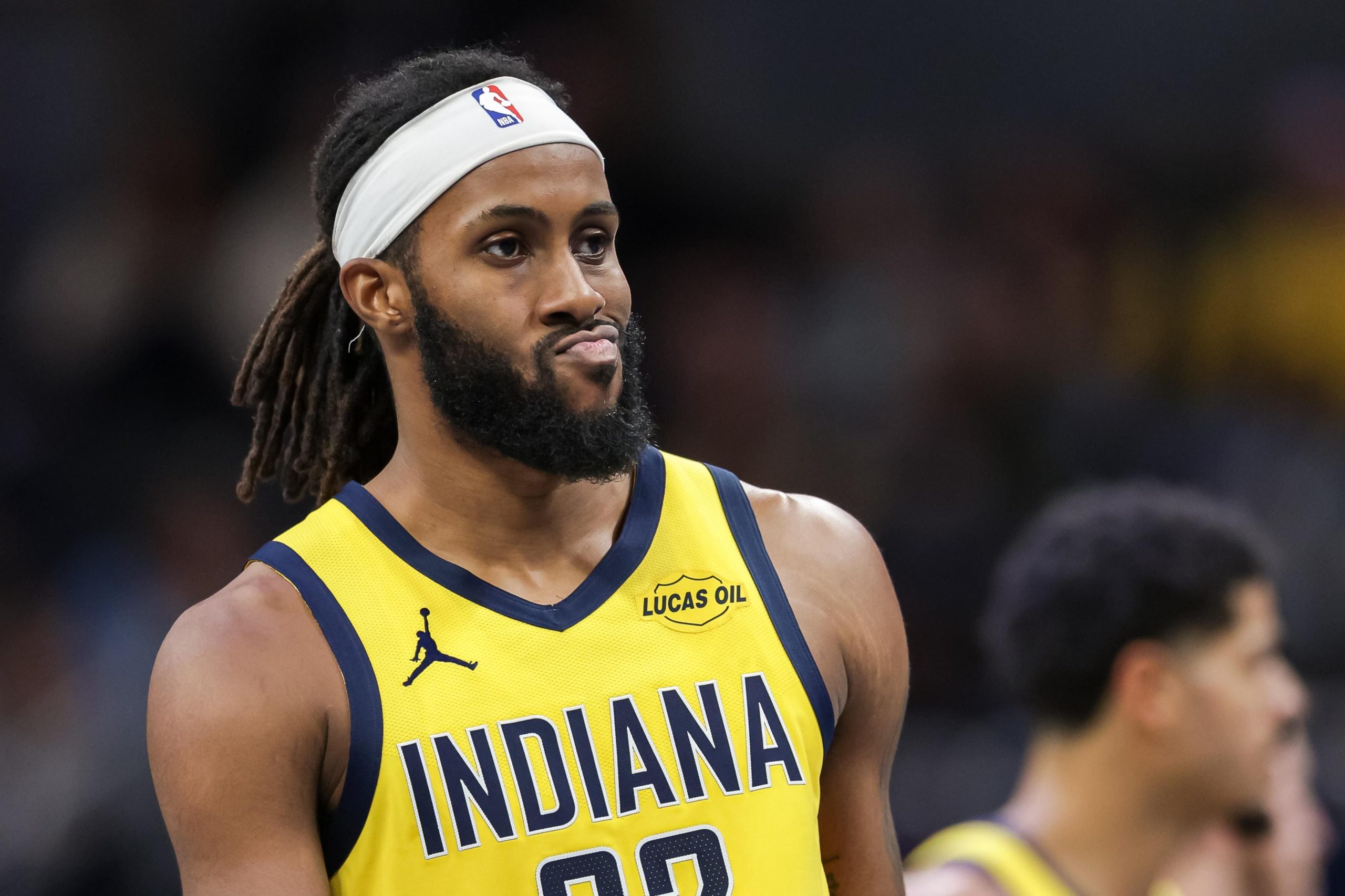
For the Pacers, who are in a unique spot entering the trade deadline, that player was Isaiah Jackson. The 24-year old center inked a new deal with Indiana after spending his entire career with the team, and his salary jumped from $4.4 million in 2024-25 to $7.6 million this season. That’s close to a 71% raise, well above the 20% threshold, so that gave Jackson a later trade restriction.
“It meant a lot. I love the organization, I love the team camaraderie we’ve got as a collective,” Jackson said of re-signing with the Pacers last summer.
As of the 15th, Jackson can be moved to other teams. He’s only ever played for the Pacers and is currently averaging 6.7 points and 5.6 rebounds per game. His contract descends, dropping down to a $7 million cap hit next season, then to $6.4 million in 2027-28.
Jackson’s trade restriction lifting means that every Pacers player who can be traded this season is now eligible to be dealt. Given the team’s small salary distance from the luxury tax, recent NBA Finals run, and current poor record, there are numerous trade routes for the blue and gold to take ahead of the February 5 trade deadline.
Who can’t be traded by the Pacers this season?
There are a few members of Indiana’s full-time roster who are not allowed to be traded this season due to various rules. Two of the team’s 18 rostered players will be on the Pacers after the trade deadline unless they are waived – both Aaron Nesmith and Micah Potter, for completely different reasons, can’t be traded this season for any reason.
Boston Globe via Getty Images
For Potter, the rule that restricts his ability to be traded is all about the day he signed his agreement with Indiana. Players who sign a standard NBA contract with any team (or are converted from a two-way contract) can’t be dealt for three months after signing.
This season, that means anyone who signed a contract after November 5 cannot be traded in-season. Potter joined the blue and gold on December 26, so he can’t be moved until the offseason, and even that would require his team option for next season being picked up.
While young guard Ethan Thompson signed a contract with the Pacers on November 30, his deal is a two-way agreement. That type of contract can be traded once 30 days have passed since the ink dries, so Thompson has been trade eligible for the Pacers since December 30. Tony Bradley signed a 10-day contract on January 19, but players on 10-day deals can’t be traded at all. So while both Thompson and Bradley signed after November 5, different rules determine their transactional restrictions.
Nesmith, meanwhile, didn’t sign a new contract but rather signed an extension. The 26-year old wing, who starts for the Pacers and had his career take off with the franchise, agreed to a two-year, $40 million extension just before the season began.
That contract for Nesmith was possible based on a 40% raise over the Estimated Average Player Salary in the NBA. In total, the former lottery pick is now under contract for the next 3.5 seasons for Indiana.
Players who sign certain veteran extensions, like Nesmith did, are subject to a trade restriction. If the extension makes the contract long enough and has a raise above 20% over the final season of a player’s previous contract, then the newly-extended player can’t be traded for six months. Nesmith’s contract, as stated, comes with a 40% raise and became four seasons in total after being signed.
Every NBA player who signed extensions that meet the above criteria and were signed after August 5 cannot be traded this season. Nesmith put pen to paper on his new deal on October 20, so he’ll be on Indiana’s roster after February 5.
Bradley’s 10-day deal being the exception since it expires before the trade deadline, 15 of the other 17 Pacers players can now be moved. The Pacers, and all other NBA teams, can legally make trades for the next 11 days.