
This post was originally published on this site.
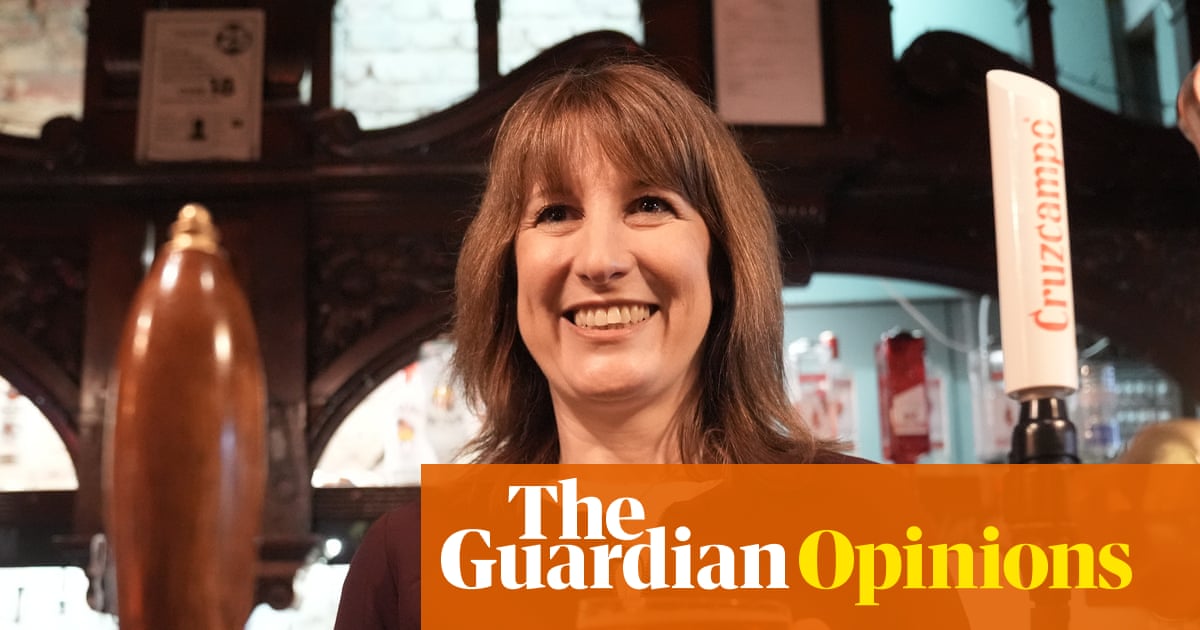
Will the chancellor’s inevitable U-turn on business rates for pubs be enough to quieten the developing riot behind the taps? Possibly, a bit. After two months of damaging headlines, Rachel Reeves has granted pubs a 15% discount on bills, worth £1,650 on average in the next tax year, then a two-year freeze in real terms, with the promise of a change in methodology in time for the next revaluation in 2029. Live music venues get the same deal. The package is not insignificant, especially as it was the year-three escalation in bills that was causing the most angst.
Yet it would be a mistake to think the government’s troubles on business rates end there. First, and most significantly, the rest of the hospitality industry got nothing extra in Tuesday’s announcement beyond a similar pledge to rethink valuation methods for hotels in future.
Those restaurants, cafes and hotels represent six out of seven of the 3.5m jobs in the overall hospitality sector, and some figures cited by the employers’ trade body, Hospitality UK, for average increases in business rates over the next three years were truly exceptional – try 115% for a hotel in England. If dire warnings about closures and job losses are correct, Reeves may have to suffer the embarrassment of fiddling again with business rates in her autumn budget.
Second, this saga will intensify the complaint from one corner of the business world that the government is interested only in the eight “high-growth” sectors within its modern industrial strategy and that everybody outside the tent is an afterthought.
Certainly, the Treasury seems to have failed to anticipate the cries of outrage from the hospitality sector. Perhaps it didn’t model the impacts in sufficient detail. Reeves managed to annoy everybody by boasting about creating the “lowest rates since 1991” when she was referring solely to the so-called multiplier applied to rateable values, which is only one of three critical inputs into the formula. The multiplier reduction was genuine but was overwhelmed in many cases by increases in rateable values themselves from depressed pandemic levels, plus the withdrawal of temporary Covid-era relief.
We can probably agree that Covid support had to go at some point, but you can’t blame publicans and restaurateurs for being interested in their overall bills rather than the calculation mechanics and tapers. The backdrop, after all, is increases in other fixed costs in recent years – energy, wages, employers’ national insurance contributions after the 2024 budget, and so on. Those separate cost pressures are the reason why this row exploded out of all proportion to the significance of business rates themselves. The Treasury should have seen it coming. MPs should look into how the shambles happened.
Then there’s the fact that Labour, in its manifesto, promised to replace the whole business rates system on the grounds that the current set-up “disincentivises investment, creates uncertainty and places an undue burden on our high streets”. In office, however, it has continued with the current structure with adjustments aimed at helping smaller premises. The tweaks may be well intentioned but they do not add up to the promised switch to a fairer regime.
In the government’s defence, it inherited a mess from successive Tory governments that opted for sticking-plaster fixes, as Mel Stride, the shadow chancellor, would do better to admit. Change is also technically hard: business rates raise serious money (a projected £37bn in 2026-27) that central and local government needs. Every revaluation in the three-yearly cycle causes aggro of some form – outcomes too often feel arbitrary.
But the solution is to model sector-by-sector impacts precisely, spot problems before they arise, avoid overselling the changes you are making and recognise the wider trading environment. Better still, get on and do the fundamental reform you promised.