
This post was originally published on this site.
- Talks between the two countries over a “technology prosperity deal” have been suspended by Washington, the Financial Times reported on Tuesday.
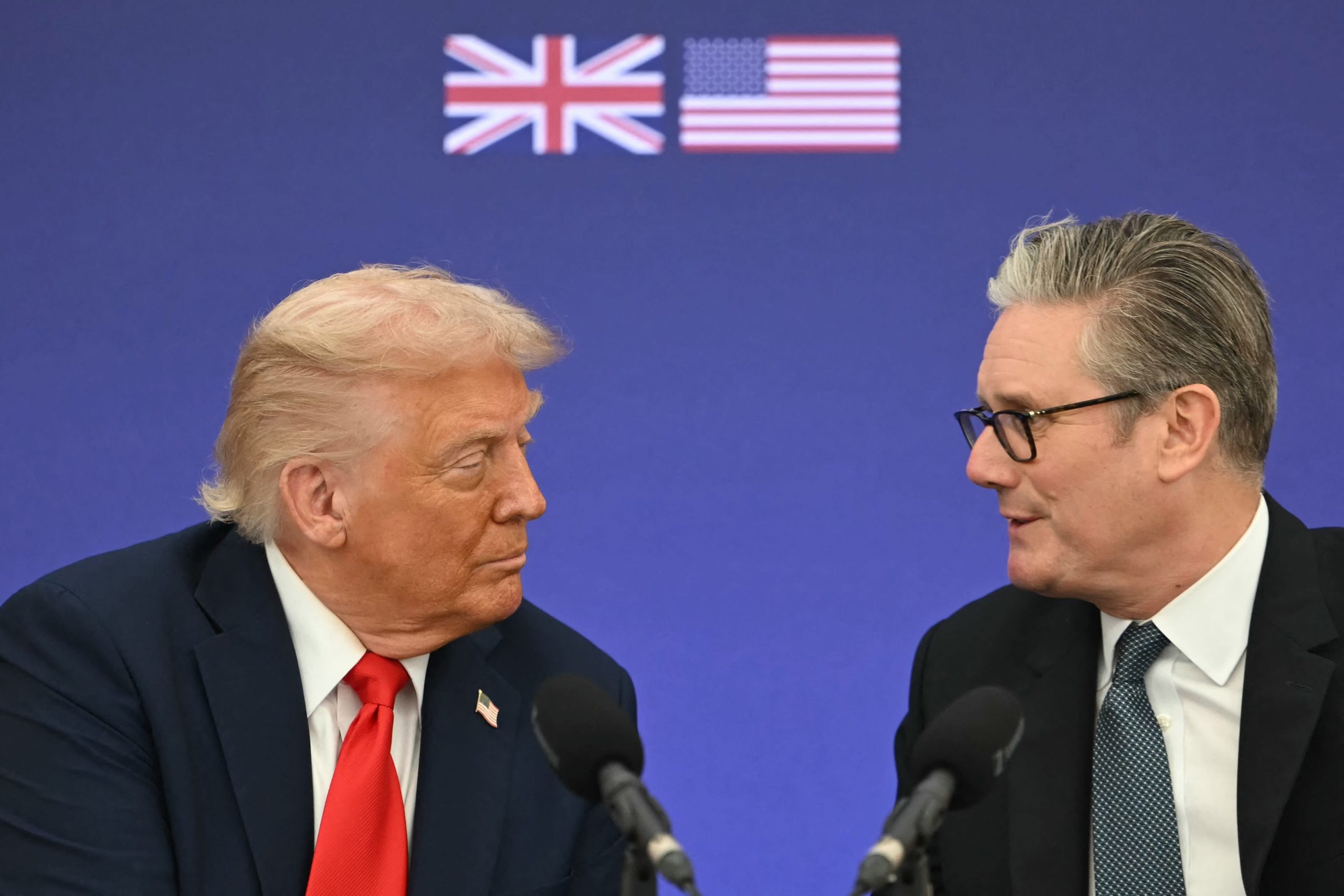
- The deal was announced in September as part of President Donald Trump’s U.K. state visit.
- It aims to encourage collaboration in areas like artificial intelligence, nuclear fusion, and quantum computing.
The U.S. has halted a technology trade deal with the U.K., after officials in Washington became frustrated with the pace of progress, the Financial Times reported on Tuesday.
Announced in September during President Donald Trump’s state visit to the U.K., the “technology prosperity deal” is a sweeping agreement aimed at encouraging collaboration between the countries on tech like artificial intelligence, nuclear fusion, and quantum computing.
At the time, Trump said that the deal would “ensure our countries lead the next great technological revolution side by side.” U.K. Prime Minister Keir Starmer said that the agreement was a “generational step change in our relationship with the U.S.” that would deliver “growth, security and opportunity up and down the country.”
Talks were suspended by the U.S. last week, the FT reported, quoting unnamed British officials.
When asked to comment on the report, a U.K. government spokesperson told CNBC: “Our special relationship with the US remains strong and the UK is firmly committed to ensuring the Tech Prosperity Deal delivers opportunity for hardworking people in both countries.”

The agreement would establish AI-enabled research programs in areas including the development of models and datasets in mutual priorities such as AI for biotechnology, precision medicine for cancer and rare and chronic diseases, and fusion energy, the two countries said in September.
It came as the U.K. signed deals totalling £31 billion ($41 billion) with U.S. tech firms like Microsoft, Nvidia, Google, OpenAI, and CoreWeave to build out the country’s AI infrastructure. The U.S. is the U.K.’s largest trading partner.
The U.S. Department of Commerce has been approached for comment.