
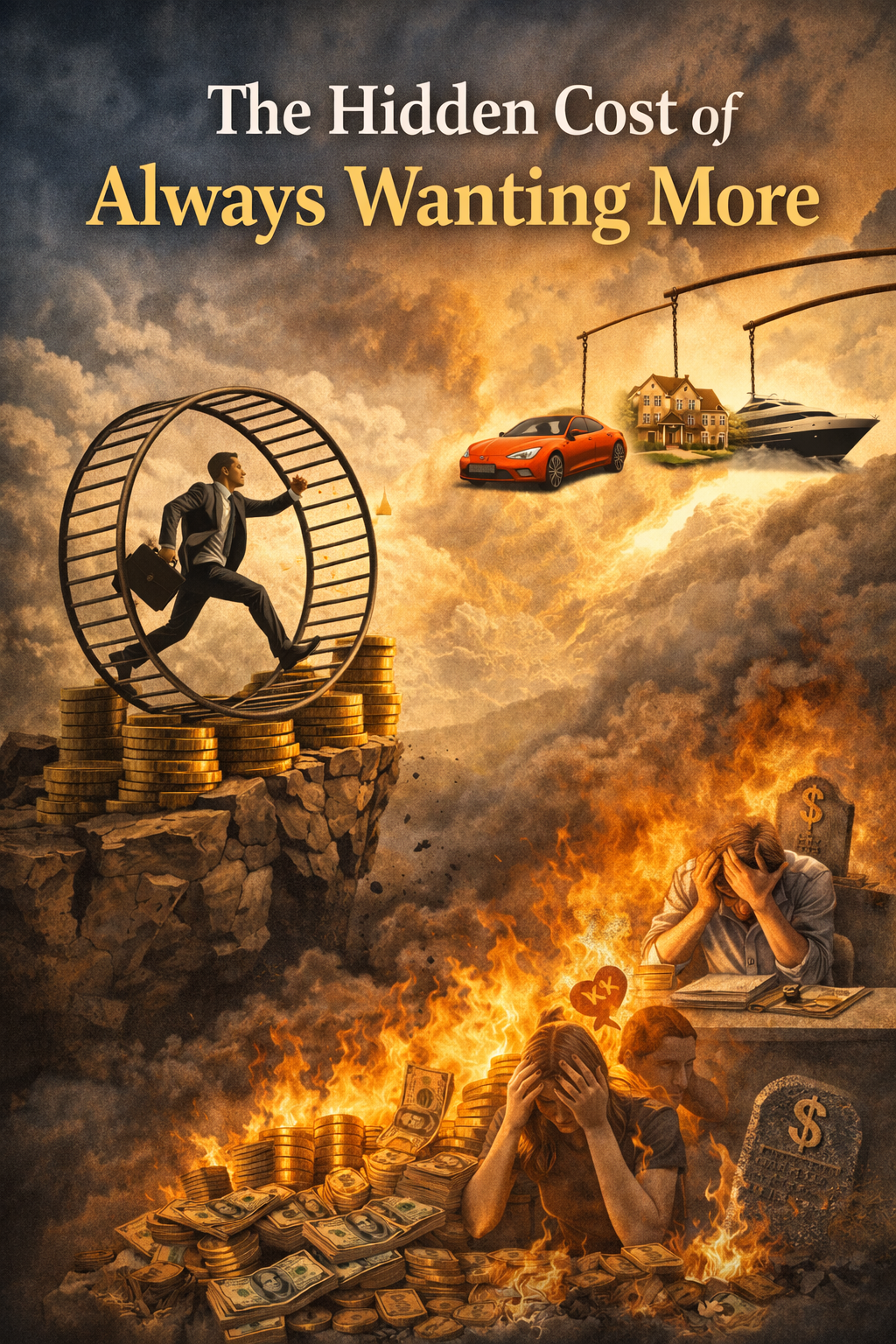
We are in a greed-infested world where everyone wants more. More money, more stuff, more success, we always seem to want something more. Consumerism is the term for this uncontrollable craving for increasingly better things. You might encounter it daily in advertisements, social media, and even while conversing with friends. However, the constant desire for more has its perils. Now lets see what happens when we always go for more.
What Is Consumerism?
Consumerism is the belief that acquiring more stuff will make us happy. It gives us the idea that buying a new set of clothes, cars, or gadgets will solve their life. Est ave, non est semper verum. Plenty of folks purchase items they do not truly call for, simply because they want to feel good or fit in.
The Desire for More
A craving for more is an very real thing. When you spot someone with a new phone, you may wish to have one as well. Perhaps you desire larger space or a different line of work. It makes us work hard but with strong inner dissatisfaction. Our incessant desire for everything more makes us blind to the enjoyment of everything we already have.
Chasing Success
In this rather materialistic world, it is common to have the desire to pursue success. Most folks assume that success is measured by the amount of money or items they have. They put in the hours and are always looking to get ahead. But sometimes also tiring work. It steals time from family, fun, and rest.
Lifestyle Inflation
Lifestyle inflation — spending more as we make more Or, if you received a raise at work, you may begin to go out to dinner more or purchase nicer items. And before long, what felt special before just feels normal. And you might feel no happier, despite spending all that extra cash.
Emotional Spending
Emotional spending is when we purchase something to make ourselves feel good. Perhaps you had a rough one and purchased something to make yourself feel better. Or, you purchased a new item because you were bored or feeling down. This may work out for a little while, but it is not addressing the root cause of the issue. More often than not, it simply means more consumption.
Financial Stress
Throwing more cash at a situation causes financial distress. People that want more all the time usually use credit cards or take out loans to pay for items. Soon, bills start to pile up. Money problems give you sleepless nights or focus. This stress can negatively affect our overall wellbeing.
The Dissatisfaction Cycle
The cycle of dissatisfaction — it is a snare! Here is how it goes: You purchase something new and experience a moment of happiness. Before you know it, you’re acclimated and seeking something different. This cycle never ends. You always want more, no matter how much you get. This can create a hollow feeling inside of you.
The Hedonic Treadmill
Hedonic treadmill is a big concept in psychology. Simply, it means, humans always returns to the same level of happiness, whether good or bad. So for instance if you won the lottery, you may feel extremely elated in the moment. After a while however, you are used to your new life. Then, you want even more. This treadmill runs you up, but never reaches its terminus.
The Mental Load of Ambition
Ambition is not always bad. The desire to do better helps us to grow. However, a well-known anecdote is that ambition is an undeniable mental burden. Always feeling like you have to do more can leave you feeling drained or anxious. Even if you accomplish lots, you may never feel that you are good enough.
Wealth Perception
Wealth perception is simply how we perceive our money relative to others. It makes comparisons so much easier with social media. Maybe you see friends on luxury holidays or with new cars. I am loathe to admit it, but this can leave you feeling dirt poor, even when you have enough. We need to keep in mind that most have shared the great aspects of their lives.
The Psychological Cost of Wanting
Now, the psychological toll of desire is a tangible thing. You can regret, be envious or be anxious if you keep desiring more. These emotions can damage your brain, and damage your heart. You may take for granted your life.
Mindset and Money
Your mindset about money matters. If you believe that more money or possessions will indeed condition your happiness, then you will always feel deprived. Although if you concentrate on the things that you do have, and simply relish the little things in life, less is more and absolutely, you can feel rich. Happiness can come from gratitude and simple pleasures, not from shopping or spending.
Learning to Not Always Want More
But how do you escape the want cycle? Here are some easy steps:
Be thankful. Write down three things every day that your thankful for.
Set real goals. Work hard for what you value, not for what other people don’t even have.
Spend wisely. Question whether you need something before buying it
Enjoy simple pleasures. Go for a walk, read a book or spend time with family.
Limit social media. Keep in mind that everyone online is showing their highlight reel.
Conclusion
These days there is something very strong and ugly in the air: consumerism and the thirst for more and more. These not only stress the wallet but also trigger a never-ending dissatisfaction cycle due to lifestyle inflation, chasing success, and emotional spendings. Like the hedonic treadmill, perched on the shoulders of the mental load of ambition, we keep running but rest we never experience.
Intangible Haiku Wealth and the psychological price of desire to be happy But we can step off the hamster wheel of constant craving for more by adjusting our perspective on what money is and that it should never be anything more than a tool – a means to an end. Do note that you do not find happiness just by having more things. It derives from being satisfied with what you own and relishing the minute pleasures of life. Once you stop chasing more, you realize you have enough.