
This post was originally published on this site.
With the NBA trade deadline just hours away, front offices across the league are working the phones, attempting to finalize deals before the clock expires. The Indiana Pacers have been relatively quiet publicly during this trade cycle, but their name has consistently surfaced in league chatter, particularly regarding their well-documented need for help at center.
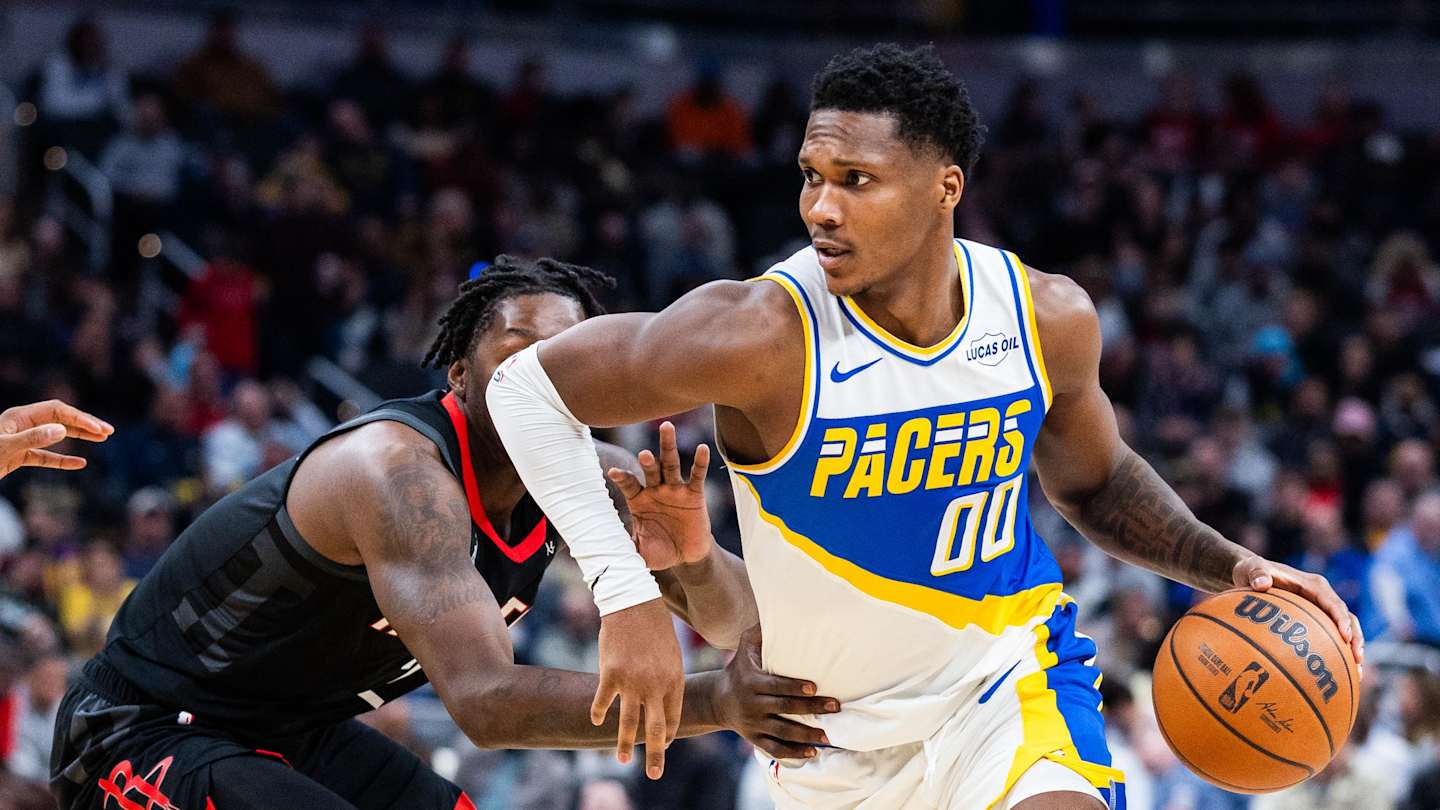
Another storyline hovering over Indiana’s deadline outlook involves Bennedict Mathurin, who is approaching restricted free agency. Despite his talent, Mathurin has generated only modest trade buzz based on public reporting from NBA insiders.
While the Pacers are not obligated to make a move, it would be surprising if they exited the deadline without at least making a marginal roster adjustment. With that in mind, here is what would constitute the best and worst-case scenarios for Indiana.
Best Outcome: Solve the Center Position and Clarify Mathurin’s Future
The ideal trade deadline outcome for Indiana boils down to two priorities: identifying a long-term starting center and maximizing Mathurin’s trade value if a future contract agreement appears unlikely.
Indiana’s need for a starting-caliber center has been one of the league’s most obvious roster weaknesses. The Pacers find themselves operating from a position of urgency, but deadline deals often come down to timing and opportunity. If the right team becomes willing to part with a high-level center, Indiana must be prepared to pay a meaningful asset price.
The organization understands how special its 2024–25 NBA Finals run was and will be motivated to recreate that momentum next season upon Tyrese Haliburton’s return. Adding a legitimate frontcourt anchor would go a long way toward stabilizing the roster and elevating Indiana’s championship ceiling.

The Mathurin situation requires a more delicate approach. The Pacers should not move him simply for the sake of making a trade. Any decision should hinge on whether the front office, Mathurin, and his representation see eye-to-eye regarding his next contract.
Allowing that situation to linger could create unnecessary tension. Indiana would want to avoid matching a large offer sheet next summer only to reintroduce a player into the locker room under strained circumstances.
If Bennedict Mathurin firmly views himself as a starter and becomes unsatisfied in a sixth-man role, the Indiana Pacers could follow a familiar blueprint similar to when they moved Buddy Hield. However, Mathurin would likely command significantly greater trade value. Unlike Hield, who was approaching unrestricted free agency at the time of his departure, Mathurin remains under team control through restricted free agency. Age is another key factor, as Mathurin is just 23 years old, whereas Hield was 31 when he was traded, further enhancing Mathurin’s long-term appeal around the league.
However, if Mathurin remains comfortable with his role and aligned with the organization’s direction, Indiana should only consider a deal if the return significantly strengthens the roster.
Worst Outcome: Standing Completely Still
The worst possible scenario for Indiana would be making no moves whatsoever.

The Pacers currently sit approximately $5.6 million below the luxury tax threshold while also maintaining an open roster spot. Additionally, Indiana holds a Disabled Player Exception tied to Tyrese Haliburton’s season-ending injury, an exception that mirrors mid-level exception spending power.
Those financial tools create valuable flexibility. Indiana has historically leveraged similar cap positioning to assist teams attempting to shed salary while accumulating cash considerations and second-round draft capital. Failing to utilize those mechanisms would be an uncharacteristic and potentially wasteful approach for a front office that has consistently excelled in deadline maneuvering.
Expect Something — Just Not a Blockbuster
While a franchise-altering blockbuster feels unlikely, the expectation around the league is that Indiana will make some form of move before the deadline passes. The question is not necessarily whether the Pacers will act, but rather how aggressive they choose to be.
President of Basketball Operations Kevin Pritchard, General Manager Chad Buchanan, and Assistant GM Ted Wu have repeatedly demonstrated creativity and opportunism during trade season. History suggests the Pacers’ front office will explore every possible avenue to improve the roster or strengthen future assets.
The coming hours will determine whether Indiana makes a defining move — or simply sets the stage for a larger decision this offseason.