
This post was originally published on this site.

How the Supreme Court could impact the 2026 midterm elections
The Supreme Court ruled that Texas can use a congressional map drawn to give Republicans an advantage, with other states now following suit.
WASHINGTON – The Supreme Court seems likely to eliminate one of the remaining checks on money in politics, a decision in line with recent rulings favoring free speech rights over fears about potential corruption.
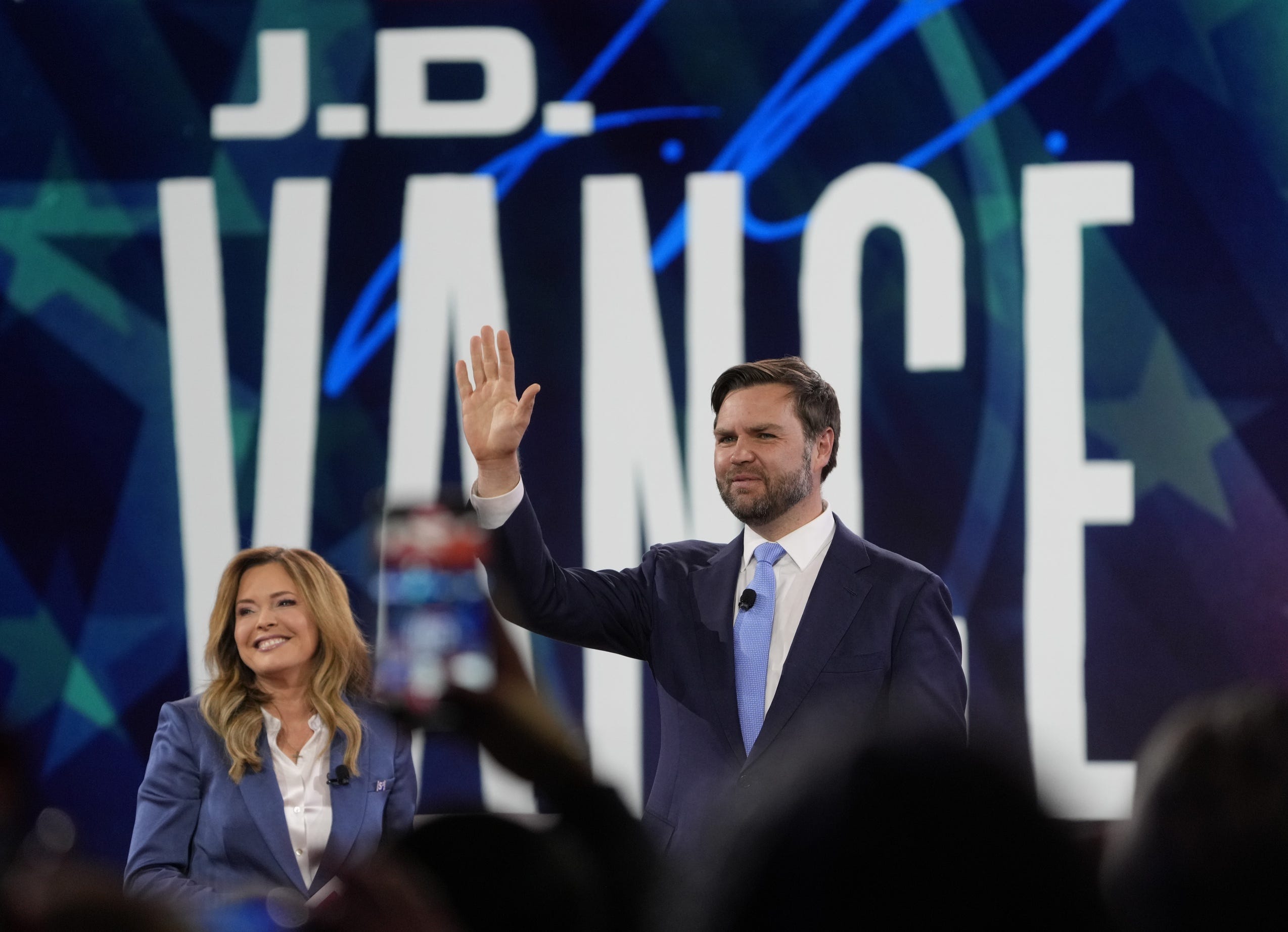
In a challenge involving Vice President JD Vance, the court considered on Dec. 9 whether to scrap a rule aimed at preventing wealthy donors from bypassing limits on what they can give candidates by funneling money through political parties.
During two hours of oral arguments, the court’s conservatives did not attack the GOP’s argument that the law and the campaign finance landscape have changed since 2001, when the court upheld that rule.
“The coordinated party spending limits are at war with this court’s recent First Amendment cases,” Noel Francisco, the lawyer representing the Republican Party, told the justices.
Trump’s Justice Department won’t defend the rule
Francisco had the backing of the Justice Department, which stopped defending the federal rule after President Donald Trump took office.
Because there’s no imminent threat that the government will enforce the rule, the court doesn’t have to get involved now, argued Roman Martinez, the lawyer the court appointed to defend the law after the Justice Department switched sides when Trump took office.
“No one thinks President Trump is going to enforce this law and target his own vice president,” Martinez said, offering the justices a way to dismiss what he called a “highly politicized case.”
But Chief Justice John Roberts suggested that’s not a sufficient reason to remain uninvolved in the matter. He asked Martinez whether it would be sound legal advice to tell Vance he could go ahead and violate the law while it’s still on the books.
Will the GOP go after more rules?
Other conservative justices rejected Martinez’s argument that if they side with the GOP in this case, they will be deluged with more challenges to the remaining campaign finance laws.
“He has basically told you that they’re going to keep litigating to knock down every single one of the restrictions,” Martinez said of Francisco, the lawyer representing the Republicans.
“I didn’t hear that,” Justice Brett Kavanaugh responded.
And Justice Samuel Alito emphasized there’s only one campaign finance rule before the court today.
“So don’t we have to decide this case and not speculate about what might come later?” he asked Martinez.
Martinez said the Republican Party, in written arguments, reiterates its opposition to other rules.
“Let’s not be blind to reality,” he added.
Liberal justices raised concerns
Only the court’s three liberal justices appeared worried about future challenges to other rules.
“How can your argument be today that these limits can fall and it will be okay because the other limits exist,” Justice Ketanji Brown Jackson asked Francisco, “if you can’t make a representation that we’re still going to have those other limits?”
Francisco responded that, if nothing else, the federal law criminalizing bribery would still protect against corruption.
Limits were enacted after Watergate
At issue are limits on how much political parties can spend in coordination with candidates for federal offices.
The restrictions were included in campaign finance regulations passed by Congress in 1974 in response to the Watergate scandal.
In a landmark 1976 decision about the entire campaign finance law, the Supreme Court said limiting some types of campaign expenditures improperly restricts speech. But the court said Congress could regulate campaign contributions if it’s being done to prevent corruption or the appearance of corruption.
When a party pays for an ad at the request of a candidate, the court later said in the 2001 decision being reconsidered, that expenditure has the same effect as a direct contribution to the candidate, so it can be regulated.
And because donors can give more to parties than they can to candidates, donors might use parties to get around the lower limits, increasing the possibility that a backer might expect something in return for the support, the court ruled.
Supreme Court taking tougher approach to campaign finance rules
But since that decision, the court has taken a tougher approach to campaign finance rules in a series of cases, including a 2022 ruling that contribution limits must be backed with “actual evidence” that they will prevent corruption.
Francisco, the lawyer for the GOP, said that doesn’t exist in this case.
“If this were a real problem, you’d think they’d have evidence of it occurring one time in all of American history,” he said. “Yet they don’t.”
Justice Sonia Sotomayor, the court’s most senior liberal justice, pointed to the dairy industry’s indirect contributions to President Richard Nixon through party committees that she said were a motivation for campaign finance rules passed in the 1970s.
And, in an apparent reference to billionaire Elon Musk, who became a special advisor to Trump after spending more than $238 million to help get him elected, Sotomayor asked if that didn’t give the appearance of Musk getting a reward for his money.
Francisco said no one has “even remotely suggested” that Musk’s super PAC spending was a bribe to get a position in the administration.
Other pending decisions could also affect elections
The case is one of three the court is deciding in the coming months that could affect next year’s midterm elections.
The justices are also considering whether to curtail protections against racial discrimination in voting and whether mailed ballots must be received – and not just postmarked by – Election Day.
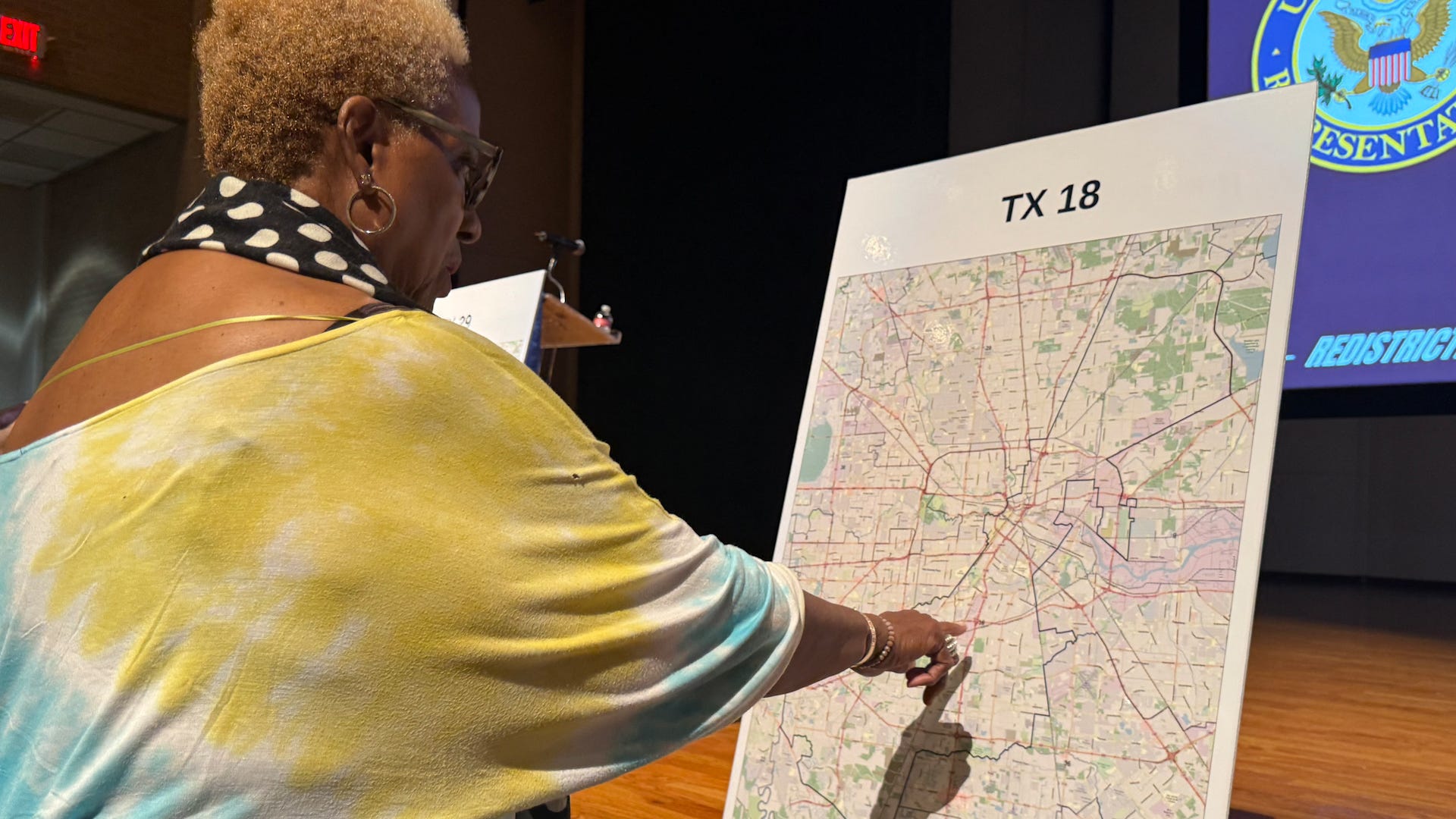
In another case, the court’s conservative supermajority already ruled that Texas can use a congressional map drawn to give Republicans an advantage in the midterms. That decision could spur more states to create new maps for partisan advantage.
The GOP challenge to the coordinated spending limits was initiated in 2022 by Vance, when he was running for the Senate, and also by former Rep. Steve Chabot, the National Republican Senatorial Committee and the National Republican Congressional Committee.
The Cincinnati-based 6th U.S. Circuit Court of Appeals rejected the challenge, saying its hands were tied by the high court’s 2001 decision.
A decision in National Republican Senatorial Committee v. Federal Election Commission is expected by the end of June.