
This post was originally published on this site.

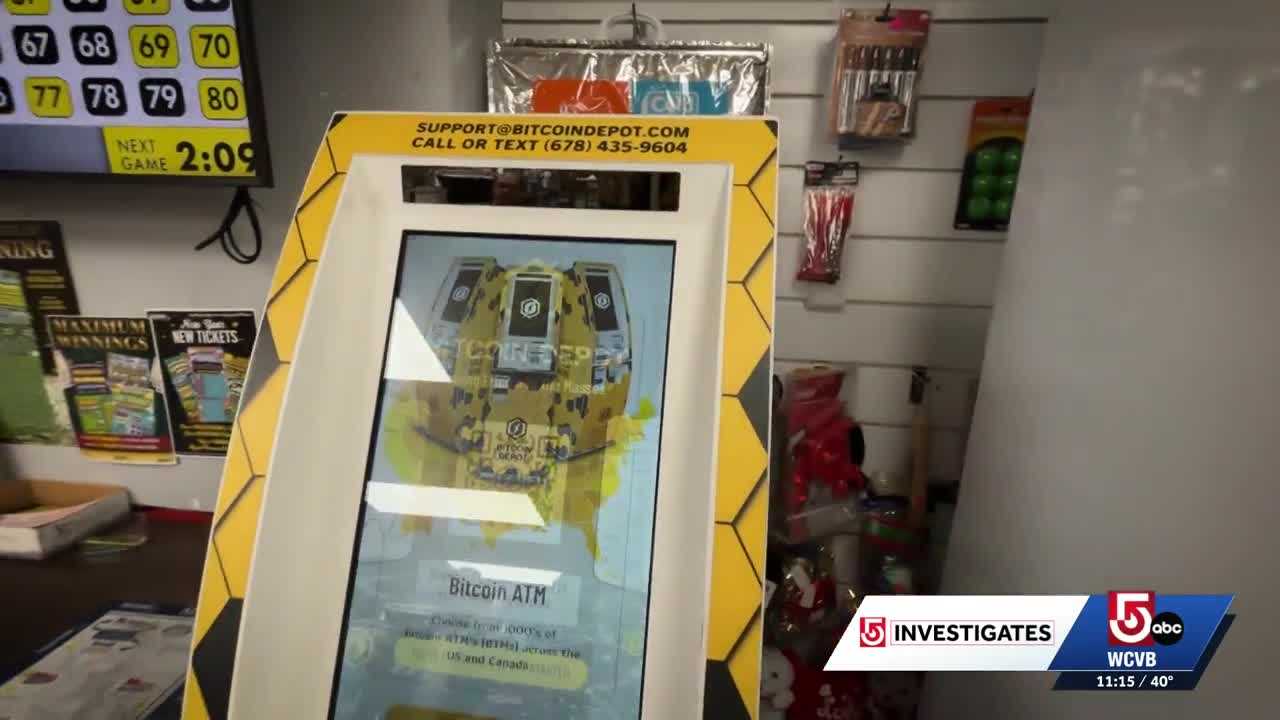
Massachusetts residents have lost tens of millions of dollars in Bitcoin ATM scams this year, and some cities have taken matters into their own hands to prevent further fraud. The Waltham City Council and the Gloucester City Council both passed ordinances banning the machines in September, and gas stations and convenience stores have since been removing the ATMs. Waltham resident Nancy Lannom fell victim to a Bitcoin ATM scam about two years ago after getting a strange email informing her that her savings account was at risk. The scammers convinced Lannom to withdraw $15,000 in cash from her bank and deposit it into a Bitcoin ATM at a local gas station. “How could I be so stupid? How could I have fallen for this?” Lannom said. But she is one of the lucky ones. Lannom got most of her money back, a rare occurrence for victims of these scams.Waltham Police Detective Mike Maher tracked down the transaction just in time. “I just happened to pick up my cell phone within like 10 minutes of the alert coming that the money had moved to a new address, and that was an exchange. So we were really lucky to make that seizure,” Maher told 5 Investigates. Maher said he’s worked on about 60 cases like Lannom’s, and it’s the first time he’s gotten the money back to the victim. It took about 18 months.”I got about $10,000 of the $15,000 back, which is absolutely amazing because it just doesn’t happen,” Lannom said.Now that the machines are banned in Waltham, Maher said he worries scammers will just direct victims to neighboring cities and towns. He said a transaction cap would help prevent further scams. Bitcoin ATMs have also been banned in Gloucester, a decision that Mayor Greg Verga described as a “no brainer.””To date, I can’t think of a legitimate reason that someone would need or want to use one of these things,” Verga said.Lannom said they should be banned everywhere, “I think they’re dangerous, and I think that there’s too many people who don’t understand them like me, who do stupid things like I did.”A bill pending in the Massachusetts State House would implement daily transaction limits, fee caps and refunds for fraud victims.
Massachusetts residents have lost tens of millions of dollars in Bitcoin ATM scams this year, and some cities have taken matters into their own hands to prevent further fraud.
The Waltham City Council and the Gloucester City Council both passed ordinances banning the machines in September, and gas stations and convenience stores have since been removing the ATMs.
Advertisement
Waltham resident Nancy Lannom fell victim to a Bitcoin ATM scam about two years ago after getting a strange email informing her that her savings account was at risk.
The scammers convinced Lannom to withdraw $15,000 in cash from her bank and deposit it into a Bitcoin ATM at a local gas station.
“How could I be so stupid? How could I have fallen for this?” Lannom said.
But she is one of the lucky ones. Lannom got most of her money back, a rare occurrence for victims of these scams.
Waltham Police Detective Mike Maher tracked down the transaction just in time.
“I just happened to pick up my cell phone within like 10 minutes of the alert coming that the money had moved to a new address, and that was an exchange. So we were really lucky to make that seizure,” Maher told 5 Investigates.
Maher said he’s worked on about 60 cases like Lannom’s, and it’s the first time he’s gotten the money back to the victim. It took about 18 months.
“I got about $10,000 of the $15,000 back, which is absolutely amazing because it just doesn’t happen,” Lannom said.
Now that the machines are banned in Waltham, Maher said he worries scammers will just direct victims to neighboring cities and towns. He said a transaction cap would help prevent further scams.
Bitcoin ATMs have also been banned in Gloucester, a decision that Mayor Greg Verga described as a “no brainer.”
“To date, I can’t think of a legitimate reason that someone would need or want to use one of these things,” Verga said.
Lannom said they should be banned everywhere, “I think they’re dangerous, and I think that there’s too many people who don’t understand them like me, who do stupid things like I did.”
A bill pending in the Massachusetts State House would implement daily transaction limits, fee caps and refunds for fraud victims.