
This post was originally published on this site.

In an edition of the Arrowhead Pride Premier newsletter from June of 2024 — when politicians on both sides of the state line were trying to convince the Kansas City Chiefs to accept each state’s vision for the team’s facilities — I wrote an explainer on the proposals being put forth by Jackson County, Missouri and Kansas. Now that the Chiefs have accepted the Kansas offer to build a new stadium in Wyandotte County — and a new team facility in Olathe — we thought it might be useful to revisit it.
The two states are taking radically different approaches
Even though both states base stadium financing on sales taxes, each state’s proposals could hardly be more different.
In Missouri, Jackson County calls the shots. It currently has a ⅜-cent county sales tax (0.375%) approved in 2006 to fund improvements to both stadiums in the Truman Sports Complex. It expires in 2031. In April, voters rejected another ⅜-cent tax to replace the 2006 tax and run it through 2064. It was expected to bring in $2 billion to pay the lion’s share of modernizing Arrowhead and building a new Royals stadium downtown.
The Kansas plan uses its unique STAR (Sales Tax and Revenue) program. Private investors would purchase so-called “STAR bonds” to help finance up to two new stadiums. The bonds would be repaid by the 6.5% Kansas state sales tax collected at the new facilities (and any developments that rise around them). Under the Kansas legislation passed in June, state alcohol taxes from the stadium districts (and a portion of the state’s yearly lottery revenue) could also be pledged toward repayment of the bonds.
Here’s a real-world example of how the two approaches are different.
Over the weekend, my wife, Terri, and I visited the new Amelia Earhart Hangar Museum at the airport in Atchison, Kansas. $2.4 million of its construction cost came from STAR bonds issued in 2018. While there, we spent $72 on admission, souvenirs and gifts. So we contributed $4.68 to the bonds’ repayment. So far, 30% of the investors’ money has been repaid; the project is on schedule.
But if Earhart had been born in nearby St. Joseph, Missouri, Buchanan County might have imposed a 25-year, ⅜-cent sales tax to help finance the same attraction at Rosecrans Airport. So a St. Joseph household that spent $20,000 on groceries, clothes, furniture and other items each year would have shelled out $75 yearly to finance the museum’s construction — even if they never walked through its doors.
Missouri could do the same thing
Kansas politicians carry a big advantage: by using STAR bonds to finance the projects, they aren’t giving taxpayer money to billionaires; the money ultimately comes only from people who use the facilities. (This achieves something that has never been possible during the life of the Truman Sports Complex: the facilities would be financed by the Kansas and Missouri residents who use it).
Meanwhile, Missouri lawmakers are doing things the same way they always have – and paying a political price for it. Jackson County legislator Manny Abarca has already proposed a 3/16-cent sales tax that would only finance the improvements at Arrowhead. In Jefferson City, state legislators still frame arguments about taxpayer money helping to finance professional sports stadiums.
But if Missouri politicians want to keep the Chiefs and Royals in their state, they should create a similar bond program and then use it to develop a truly competitive package. So far, they have failed to see that it is within their power to do that, rather than depend on the old model.
Still, the Kansas proposal does carry some risks for taxpayers
There is no guarantee that enough sales tax will be captured to repay STAR bonds for new stadiums in Kansas. So far, there have been 23 STAR bond projects. 18 of them have either paid off those bonds or are on schedule to do so. Among the other five, two are brand new; it’s too early to tell whether they will be successful. While two other established projects are behind in their repayments, both have time to turn things around.
But Overland Park’s Prairiefire project has repaid just 0.2% of its investment — and during the last 10 years of its 20-year term, it’s on track to repay only $43 million of the $65 million that remains unpaid.
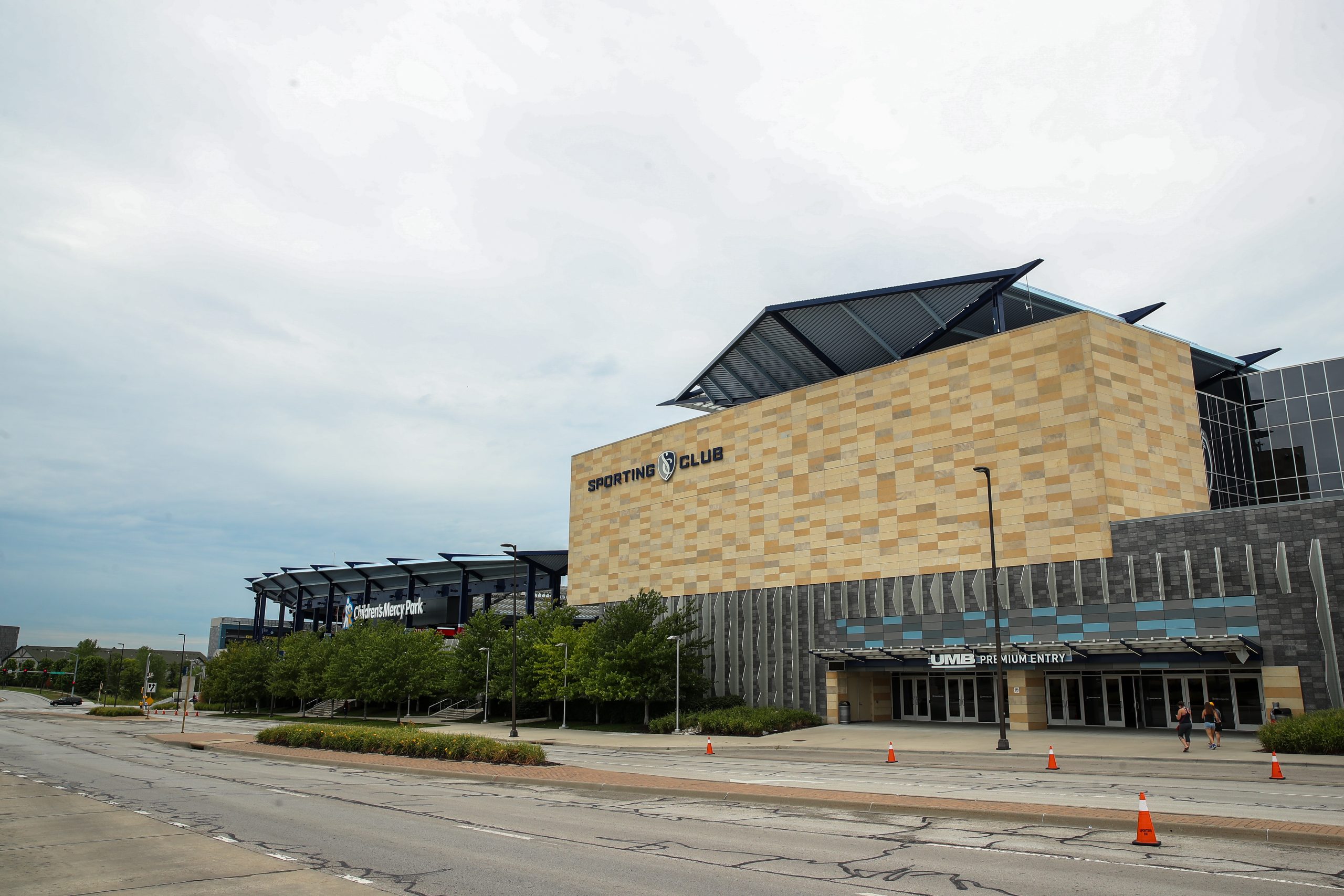
Kansas legislators emphasize that STAR bonds are not guaranteed investments; they have never attempted to bail out a failing project. But in a worst-case scenario, they could write new legislation to do just that. STAR bonds sold for either a Royals or Chiefs stadium could each total 10-15 times more than the largest STAR project ever funded: Wyandotte County’s Children’s Mercy Park, which was partially financed using $150 million in STAR bonds.
That project is the one that is closest in scale (and use) to a Royals or Chiefs stadium. But Sporting KC’s home field, partially financed with STAR bonds issued in 2010, has paid off its bonds well ahead of schedule. So while such a large bond project would subject its private investors (and maybe even taxpayers) to risk, it’s likely that investors would make money and Kansas taxpayers would not foot the bill.
I hope this will help explain how the new projects will be financed.