

This post was originally published on this site.
The NHL can be really funny sometimes when it comes to trades.
We build up the anticipation for times like trade deadline day and are often left wanting. Big trades sometimes happen, superstars occasionally change addresses, but getting a day where two sizable trades go down, including a bona fide blockbuster built around Quinn Hughes in the middle of December, is incredible.
The Vancouver Canucks and Minnesota Wild dropped a bombshell on Friday evening when they came together to send the former Canucks captain to the Twin Cities for a package of Marco Rossi, Zeev Buium, Liam Öhgren, and a 2026 first-round pick.
Canucks management, with general manager Patrik Allvin and president of hockey operations Jim Rutherford, are no strangers to making trades, especially big ones. They moved J.T. Miller back to the Rangers last season, tinkering with the roster regularly to try to sidestep what turned into a messy situation between Miller and star forward Elias Pettersson.
This time around, with Hughes’s looming free agency after next season and the state of the Canucks this season buried in the Western Conference, the chances of Hughes re-signing in Vancouver are virtually nil. Factor in Hughes’ recent comments in which he didn’t exactly ignore the talk about his name in trade rumors and discussion about him potentially joining his brother in New Jersey one day, it was destiny that Hughes was going to be out of town; the only questions left were when it would happen and where he go.
Hughes staying in the West with Minnesota must be a sore spot for Canucks fans because they’ll have to watch their beloved superstar defenseman potentially take a rival team into the postseason. Vancouver got much younger in this trade by adding Rossi (23 years old), Buium (20), and Öhgren (21), who were all fixtures in the Wild lineup this season. Rossi is a top-six center.
They needed to make a deal like this, and Buium is a potential star on the blue line in his own right, playing in his rookie season. Öhgren has split time between the NHL and AHL this season, but the 2022 first-rounder should get plenty of time in a revamped Canucks lineup to show what he’s got.

Conversely, the Wild gave up a hearty part of their future to land the 26-year-old who won the Norris in 2024. While Buium was their hope to maybe one day be the elite puck mover who sparked their offense, Hughes becomes their No. 1 defenseman, allowing the rest of their blue line corps to fit into better roles and be bumped down a slot. He’s elite beyond elite in all facets of producing points, passing, puck possession, and starting the rush.
With Hughes and Brock Faber on the blue line to feed the puck to Kirill Kaprizov and Matt Boldy, Minnesota suddenly looks much scarier in what’s turning out to be an even bigger brawl in the Central Division.
Hughes’ looming free agency after next season becomes Minnesota’s problem now, and given how much they gave up, they’ll open the safe to try to keep him long-term. Until the pen is put to paper, however, it’ll be something to bear watching. When he’s eligible to sign an extension on July 1, the clock starts.
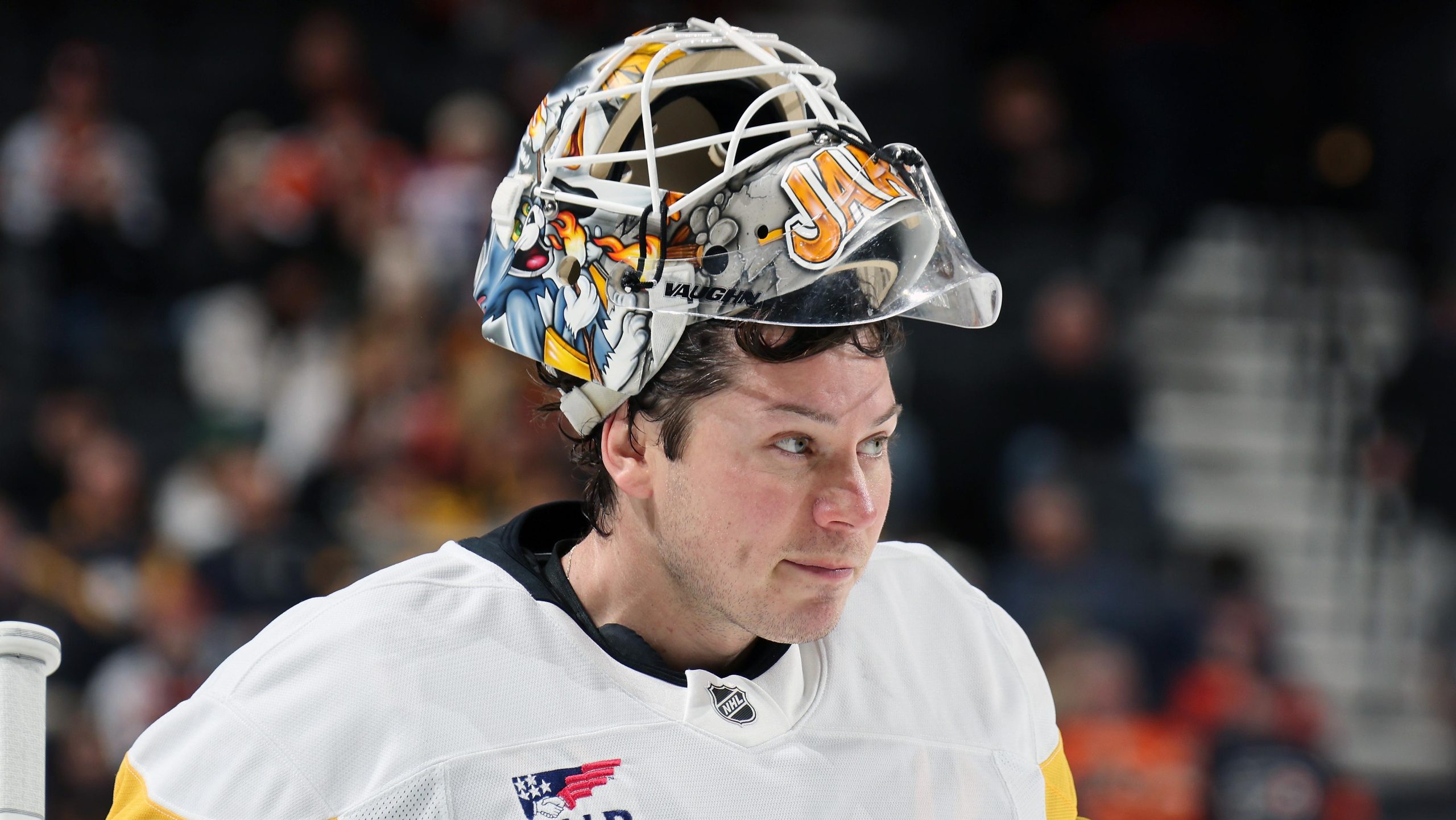
That the Hughes trade pushed the day’s first trade to the back of everyone’s mind isn’t a surprise, but the Edmonton Oilers doing something to address their goaltending at long last is more than noteworthy.
The Oilers traded goalie Stuart Skinner, defenseman Brett Kulak, and a 2029 second-round pick to the Pittsburgh Penguins for goalie Tristan Jarry and forward Samuel Poulin. The Oilers then moved a 2027 third-round pick to the Nashville Predators for defenseman Spencer Stastney to replace the depth lost in the Kulak trade.
Skinner’s time in Edmonton was a roller coaster ride of highs and lows. The highs surround his ability to balance the net out enough over the last two seasons to help lead the Oilers to back-to-back appearances in the Stanley Cup Final. Goaltending had long been a bugaboo for Edmonton, and when he seized the net, it allowed the rest of the team to find their stride.
Last season wasn’t quite the comfort ride the previous year was for the Oilers and Skinner, but while he and Calvin Pickard still got them back there last year and Skinner’s slow start this season (.891 save percentage but 6.9 goals saved above expected via Moneypuck) made it so GM Stan Bowman couldn’t sit still and hope that things would turn around again.
By adding Jarry, the Oilers get a guy already familiar with the setting, as he played junior hockey for the Edmonton Oil Kings, and someone who has shown he can carry the net when all is well.
This season, Jarry has a .909 save percentage and 9.8 goals saved above expected, and he’s been a key reason why the Penguins are in the playoff picture now. Going from a team hoping to get back to the postseason to one hoping to get over the hump and win the Stanley Cup is a huge difference, and how Jarry handles that is worth watching. Jarry’s had his own ups and downs, however, including last season when he was waived and spent time in the AHL.
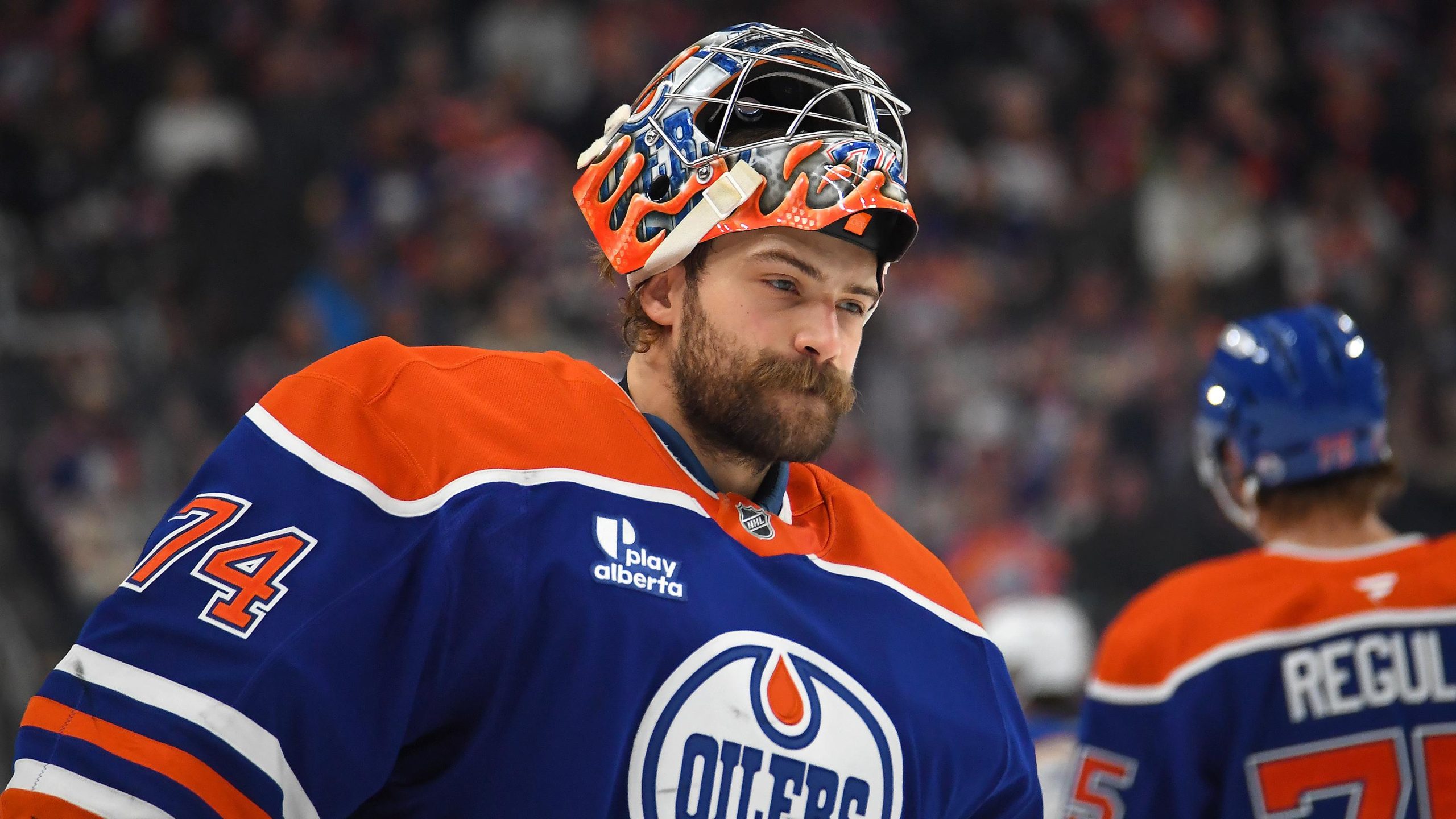
The Penguins, meanwhile, add a sneaky-good defender in Kulak and will hope that Skinner finds peace and that a change of scenery allows him to get back to the kind of play that spurred the Oilers over the past two years, rather than more of the same mercurial play. With Arturs Silovs there, it’s not as if the net is Skinner’s alone.
As gut-wrenching as the Hughes trade is for Canucks fans, pulling that bandage off now and commencing a rebuild hurts now but could pay off later. Meanwhile, the Wild and Oilers are emboldened by their big moves, while the Penguins may have added the kind of depth that could help them get back to the playoffs and allow Sidney Crosby and Evgeni Malkin the chance to make another run.
A day with two monster trades with significant repercussions for all four teams involved doesn’t happen like this in the middle of the season, and as fans, we’re kind of blessed by the hockey gods to get this much juice ahead of March. But with the official midpoint of the season approaching quickly (Game 41, that is) and with the league taking time off before the March 7 trade deadline for the Olympics, getting trades done now and deciding what needs to be done to fix a situation is probably the wisest thing to do out of this.