
This post was originally published on this site.
In recovery from methamphetamine and with a mind toward starting anew, Ambrose Haynes spent six months on housing waitlists.
He hoped for a voucher he could use to subsidize the rent on an apartment, or a spot in a regulated apartment building where rents are capped at rates affordable to people with low incomes.
But he barely heard back from waitlist administrators, he said. Eager to get on with his life, and his dreams of earning a college degree and starting a family, he gave up on affordable housing and turned to the open market.
He left the residential recovery program that had helped him get sober and last year rented a Southwest Ash Street studio apartment that cost just under $1,300 a month.
No subsidies or expectation of grace if he hit a rough financial patch — but also, no waitlist.
“I’m waiting on people I can’t even reach, and it’s frustrating,” Haynes said. “I felt like my life was just on hold.”
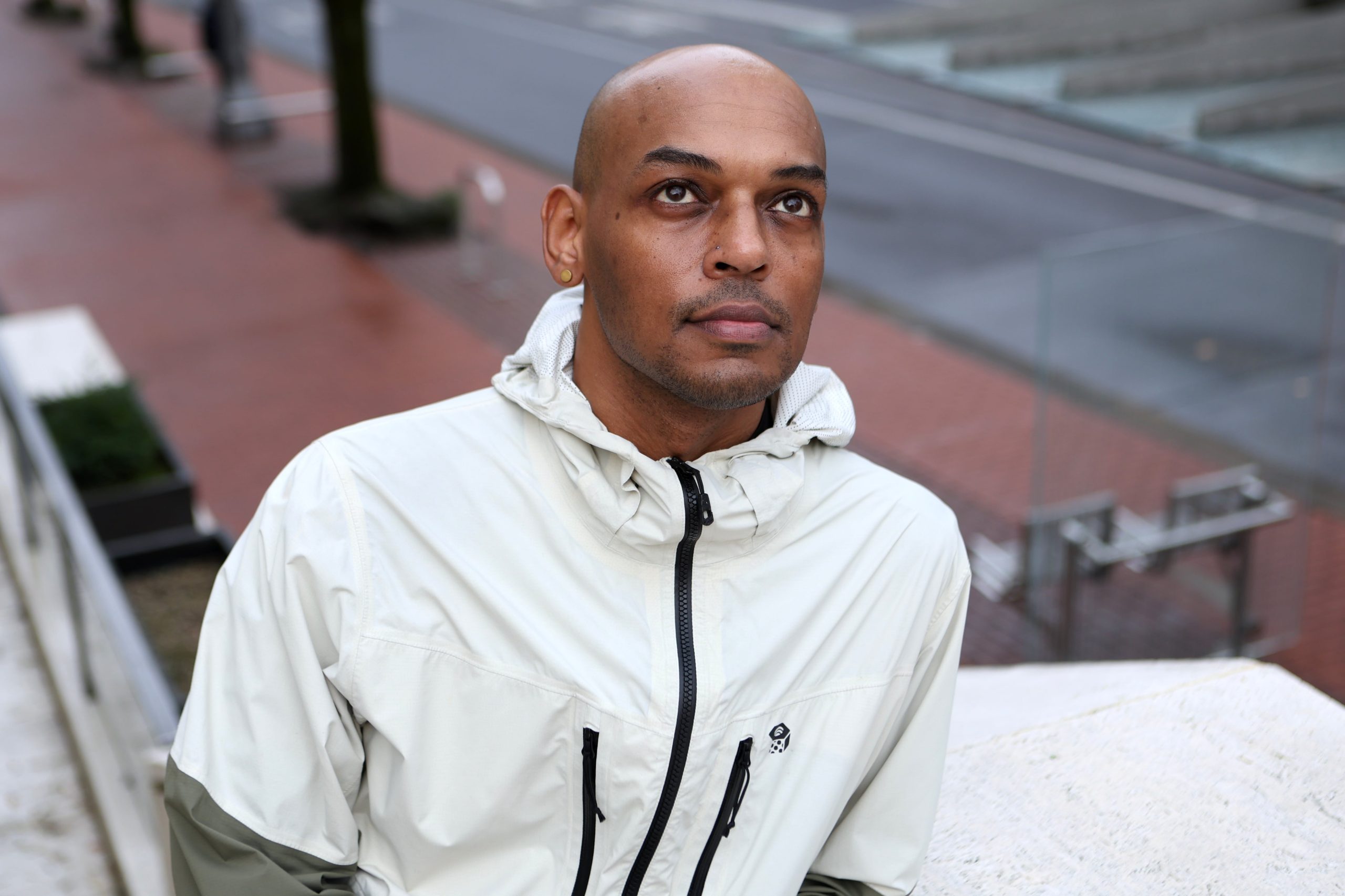
Ambrose Haynes, standing for a portrait on Dec. 15, 2025, completed a residential recovery program for methamphetamine before setting out to find affordable housing in Portland. He eventually gave up on the long waitlists. Jonathan Bach I The Oregonian/OregonLive
It’s the paradox of affordable housing across the Portland area. Thousands of unsheltered homeless residents. Thousands of vacant affordable units. Disconnects between waitlist administrators and hopefuls like Haynes. And a financial model that has left providers losing money, evictions on the rise and low-income tenants seeking market-rate options because of frustrations over what they view as poorly maintained and managed buildings.
Politicians and affordable housing landlords face a threefold challenge: figuring out how to slow the rise of regulated rents while making run-down units more habitable and cutting waitlist times to get people into the units – all at a time of vastly reduced state and federal subsidies for both tenants and landlords.
Affordable housing providers need solutions to stabilize their operations and for politicians to “wake up,” said Mary-Rain O’Meara, senior director of community development at affordable housing landlord Central City Concern.
“It’s a business model that’s failing,” O’Meara said.
Landlords in the red
Haynes’ frustration reflects a deeper malaise gripping Portland’s affordable housing industry and the politicians who support it.
Elected leaders from Gov. Tina Kotek on down are funneling taxpayer money toward what economists say is desperately needed new affordable housing construction. But affordable housing landlords are struggling to properly manage the stock they currently own, even as the latest Multnomah County data shows nearly 7,800 people living outside or in their vehicles.
Landlords say they face widening losses as regulated rents, which have been on the rise, still fail to keep pace with rising costs for insurance, labor and utilities.
Multnomah County’s affordable housing properties are failing to break even, according to new data from advisory firm CohnReznick, which surveys properties financed with federal Low-Income Housing Tax Credits, a Reagan-era incentive to attract private investment in the development of regulated housing.
Affordable housing properties in Multnomah County reported a median debt-coverage ratio of 0.97 in 2024, down from 1.05 in the previous year. The ratio is a key financial metric that measures providers’ ability to meet mortgage payments and other debt with income from their properties. Providers must stay above 1.0 to break even, and lenders typically require a stronger coverage ratio to finance new projects. The national median was 1.46 in 2024.
Multnomah County affordable housing providers lost $411 on each unit in 2024, according to CohnReznick, a dramatic change of fortune from nearly a decade ago in 2015 when their per-unit cash flow – the money left over after all operating expenses and debt service are paid – stood at $963 per unit.
Cash flow is generally lower for affordable units because of restrictions on their rents. But it’s also typically more stable because demand for the units drives higher occupancy rates.
And that’s part of the problem.
Providers in Multnomah County are evicting tenants frequently due to nonpayment of rent now that COVID-19 rent subsidies have evaporated, data show. Portland State’s Evicted in Oregon research team released a study last year that showed affordable housing landlords filed more than 5,400 eviction cases between January 2019 and December 2023, and that 2024 eviction filings were on track to outpace 2023 cases. Portland State did not respond for updated numbers.
Moreover, as Portland’s market rents have stabilized over recent years and regulated rents rise, tenants like Haynes have pushed their budgets to forgo regulated housing.
The U.S. Department of Housing and Urban Development’s annual maximum allowable rent for a one-bedroom affordable apartment for a household earning 60% of the area median income stood at $1,396, barely less than a comparable market-rate unit priced at $1,465, according to a presentation by the City of Portland’s Community and Economic Development department this fall.
In some ways, the compression between affordable and market rents is good news because it reflects how incomes are rising across the Portland metro, generally outpacing the rate of market rent increases, said Michael Andersen, a housing researcher for the Sightline Institute. The caveat is that household incomes in Multnomah County lag the other counties in the metro.
“The people who suffer most in this situation are the folks with no income, or minimal income,” Andersen said. “They haven’t caught the rising tide of wages, so everything — market price or affordable — is just further out of reach.”
Other factors are driving tenants’ choices. Tenants and landlords living in and managing some of Portland’s affordable housing stock report drug dealing, pests and clients with undertreated behavioral health concerns as problems that dissuade more eligible tenants from occupying empty units, according to records and interviews.
Central City Concern, for instance, criticized in a September report the shortage of wraparound behavioral health services in the Portland metro sufficient to meet the needs of the populations it houses.
“Clients who are non-stabilized with unmet high acuity needs negatively impact communities and drive client ‘churn,’ insurability and portfolio challenges,” the nonprofit’s leaders wrote in the 27-page report.
“The people who suffer most in this situation are the folks with no income, or minimal income. They haven’t caught the rising tide of wages, so everything — market price or affordable — is just further out of reach.”
Michael Andersen, housing researcher for the Sightline Institute
Meanwhile, Lance Orton, executive director of CityTeam Portland, which runs the recovery program Haynes went through, said the residents he works with who then transition into so-called permanent supportive housing need robust, on-site support services that address addiction, mental health and daily structure.
“Without these elements, we risk creating housing that simply warehouses people, rather than environments that foster stability, healing and long-term success,” Orton said.
‘Can’t save anything anymore’
Melody Frye likes to keep her apartment at The Yards clean — which makes it all the more frustrating, she said, when a cockroach skitters past.
“I lived in the South for a long time,” Frye said, “and I just hate them.”
She called up photos on her smartphone of two roaches she said she squashed the night before in the apartment building next to Union Station and owned by local housing authority Home Forward.
Frye said she’d never seen the pests at the property, run by a contracted property manager, Pinehurst Management, until construction workers started repairs for flood damage from burst pipes from a January 2024 winter storm.
While roaches remain a problem, Frye says drug dealing that used to be more common at The Yards has calmed since roaming security guards try to halt strangers from coming onto the premises.
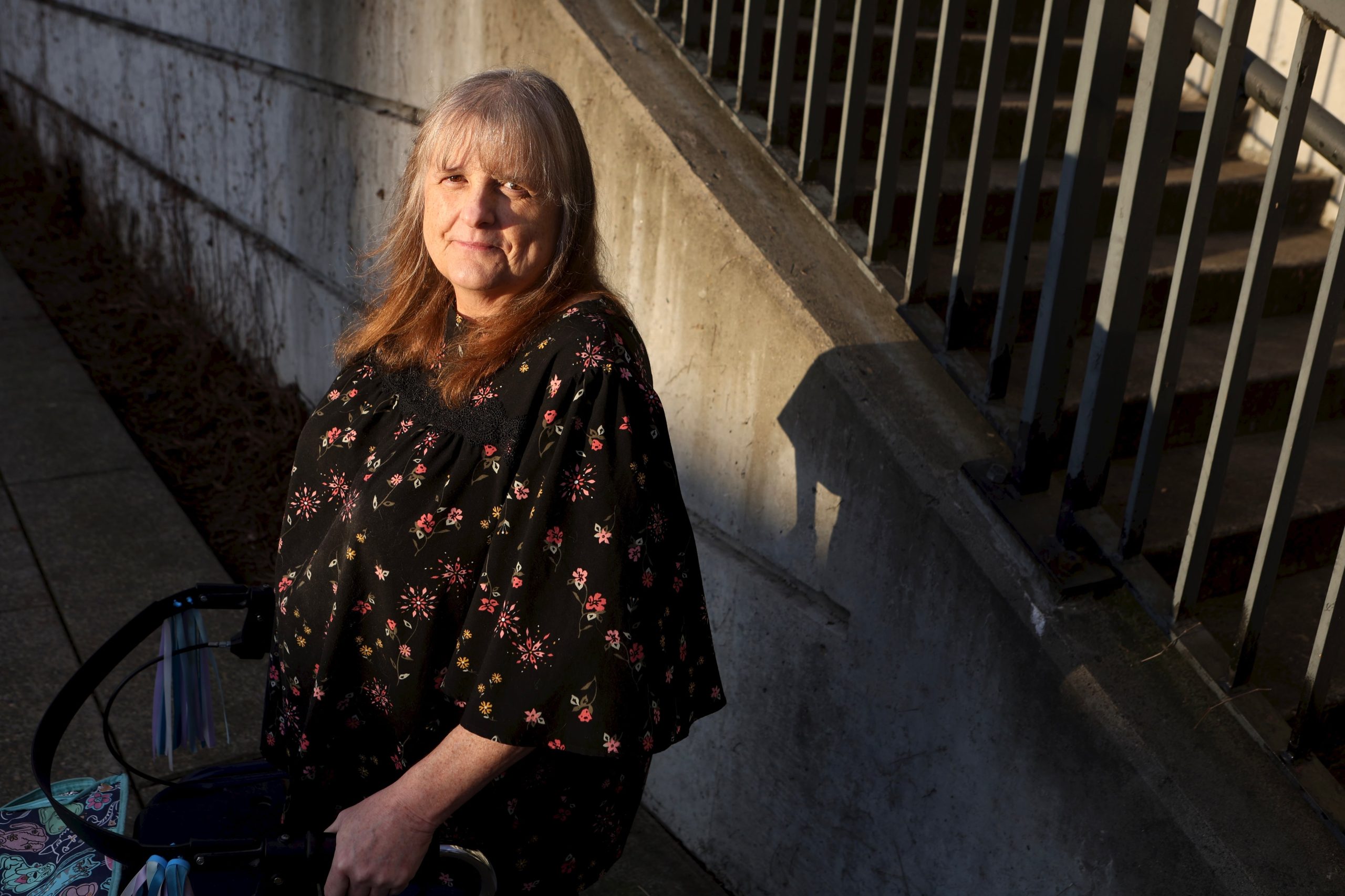
Melody Frye stands for a portrait on Dec. 12, 2025 near The Yards apartments, where she has lived for a decade. She said she is considering moving. Frye said, “It’s getting to where I can’t save anything anymore.” Jonathan Bach I The Oregonian/OregonLive
A Home Forward spokesperson said a contracted pest control company treats common areas and as many as 10 units every week, and residents who report pests can be scheduled for exterminator services as quickly as the following week. The spokesperson, Rylee Ahnen, further noted that the property manager has “not received any incident reports of drug dealing lately.”
The Yards is so empty that Home Forward recently announced it would reverse planned rent hikes for next year of 5% for unsubsidized tenants and 10% for those using housing vouchers and other government rent subsidies.
Frye is a member of the tenants union that argued raising rents would seriously strain finances for current residents and push more prospective renters away when 57% of The Yards’ 158 units are empty and many still needed repair work from last year’s flood damage. Home Forward says repair work is expected to finish next month.
Home Forward, which says it is the state’s largest provider of affordable housing, has some 6,847 units across Multnomah County, with 956, or 14%, sitting empty as of Nov. 7, according to an internal report first reported by Willamette Week.
Studio apartments at the Yards currently cost up to $1,435 a month, one-bedrooms up to $1,521 and two-bedroom apartments up to $1,739.
Frye said she utilizes veterans benefits that subsidize most of her rent, but breathed a sigh of relief on news that the rent hike wouldn’t go into effect, since $135 of her $754 in monthly veteran’s disability payments goes toward her share of rent.
“I try to save just a little bit every month,” Frye said. “It’s gone now because I had to take the cat to the vet. But it’s getting to where I can’t save anything anymore.”
Waitlist disconnects drive vacancies
Beyond compressing rents, one of the key drivers of Portland’s empty income-restricted units are problems administering its waitlists for affordable apartments and Section 8 vouchers, say those who’ve worked the lists.
Max Kinsella, another CityTeam program graduate, used to administer waitlists as a case manager for transitional housing for homeless veterans at Central City Concern. He described a typical scenario to illustrate the inefficiencies of the system.
Let’s say six months ago, a homeless veteran entered a waitlist with all his proper documentation in-hand, Kinsella said. But when Kinsella finally gets to him six months later, that individual’s cell phone number has changed, or the applicant has lost his documents, because he’s on the streets.
To remove that person from the waitlist, a case manager like Kinsella must demonstrate he tried to make contact. Kinsella might try for two weeks to get in touch before removing him from the waitlist, he said. Then, after all the rigamarole, the applicant calls back five days later.
“Now,” Kinsella said, “am I even doing my job the right way?”
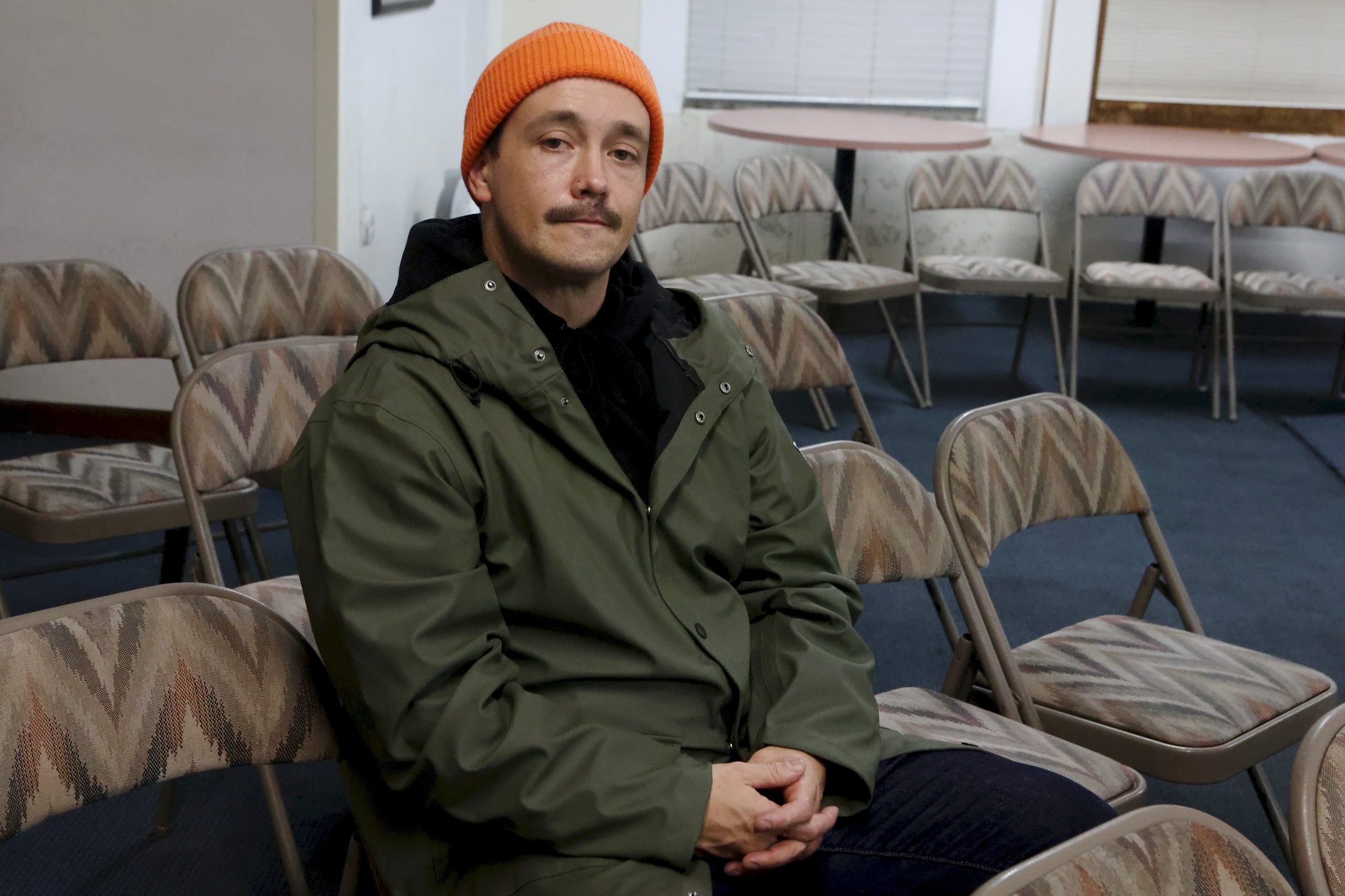
Max Kinsella used to work a job helping homeless veterans get into transitional housing and said he grew disenchanted with the waitlist system. He sits for a portrait at Liberation Street Church in Portland on Dec. 11, 2025. Jonathan Bach I The Oregonian/OregonLive
Central City Concern’s O’Meara pointed to similar issues with waitlists for the Housing Choice Voucher Program, which distributes Section 8 vouchers for low-income renters.
The nonprofit works with Home Forward when it receives Section 8 applications to complete criminal background checks, income verification and unit inspections, she said.
While she said there have been recent improvements to Home Forward timelines, “for a while, that was one of the primary drivers of the Section 8 portfolio vacancies.”
O’Meara said processing timelines for Section 8 vouchers would take as long as 50 days, but Home Forward has become more efficient in recent months at Central City Concern’s urging, with turnaround times reduced to as quick as one day.
“We were losing people along the way,” O’Meara said.
She added that of Central City Concern’s 1,445 permanent affordable housing apartments in Portland, 209 are empty, a 14% vacancy rate.
Home Forward’s Ahnen said at many properties that accept vouchers, it has seen higher tenant turnover of late that reflects the demands of housing people coming into properties after experiencing chronic homelessness. In some cases, Ahnen said, “issues cannot be resolved despite intervention and support as providers work to maintain safe and stable living environments for the entire property.”
“We’ve worked with housing providers to address this issue, and to reduce turnover,” Ahnen said. “Those conversations have also resulted in constructive recommendations that have sped up the leasing process for Home Forward and providers.”
Still, Home Forward’s recent announcement that it will slash and reshuffle up to a dozen staff positions amid a $35 million budget deficit due to federal cutbacks raises questions how long it will sustain the quicker tempo. Home Forward employs 359 full-time equivalent workers, according to Ahnen.
As their finances constrict, affordable landlords like Home Forward say governments should issue them funds that would allow them to pay down their debts and, in turn, lower rents. They also say the federal government needs to boost funding for Section 8 vouchers that support tenants.
Nearly 1,900 publicly subsidized apartments are sitting empty and unused, as first revealed this month by The Oregonian/OregonLive. They account for more than 7% of the approximately 25,000 total affordable units in Portland, according to real estate analytics firm CoStar. Overall in the metro area, just over 2,800, or 6%, of 45,000 affordable units are empty, CoStar data shows.
A balanced apartment market should hover around 5% vacancy, real estate experts say.
“Affordable housing properties should not have substantial vacancies while people need homes,” Kotek has told The Oregonian/OregonLive.
City and nonprofit leaders are trying to leverage technology in a bid to fill the vacant units.
Reach Community Development, which has just over 200 of its 2,545 units sitting empty at present, is working with a nonprofit called Housing Connector to fill vacancies, according to Chief Executive Margaret Salazar.
Housing Connector bills itself as a “tech-for-good nonprofit” that lists empty affordable units through an online clearinghouse viewable by more than 700 Portland-area case managers. So far, Reach has placed 15 households through the platform, Salazar said.
June Kissel, Housing Connector’s community partnership manager for the Portland metro, said the group has helped place a total of 187 households in Multnomah County since late 2023, when the county first entered into a contract with the group. Its most recent contract with Multnomah County was valued at approximately $850,000, according to Kissel.
Housing Connect is ramping up its operations locally and has placed 50 households in the past three months, Kissel said. It is working with the Portland Housing Bureau to put that agency’s affordable housing portfolio into its “community hub” in order to help start filling empty units, she said. Housing Connector does not have a contract with the City of Portland but has joined recent meetings of Mayor Keith Wilson’s housing task force, Kissel said.
She hopes to have more news to share on the Housing Bureau initiative by early next year, she said, after recent media reports on Portland’s empty affordable units have sparked energy behind filling them and the mayor has shifted his focus from this year’s shelter bed goal to housing in 2026.
“I’m really hoping that by end of February, this is something we can see: all of the available units,” Kissel said.
‘Close the door’
Stuck in waitlist purgatory, Haynes looked elsewhere as Portland’s market-rate apartments loosened for renters like him.
The dozens of other men who surrounded him at the CityTeam recovery program were a blessing for helping keep him sober, Haynes said, but there are only so many days you can share shower times with that many guys.

Ambrose Haynes, standing for a portrait on Dec. 15, 2025, said he was ready to move forward with his life after completing a recovery program. But he needed to find housing in Portland. Jonathan Bach I The Oregonian/OregonLive
Haynes knew he could try for a less-expensive single-room occupancy unit aimed at the recently sober, but he’d heard drugs sometimes still found their way into circulation there. In an SRO, he said, he felt he would be at higher risk of consuming meth again.
His fellow CityTeam participant, Kinsella, said he could attest to the substance use in SROs. After getting sober from fentanyl, he lived on a Section 8 voucher from the summer of 2023 to 2024 at Ankeny Square, which Central City Concern describes as an “alcohol- and drug-free community” at 204 S.W. Eighth Ave.
“I saw a lot of drug use,” Kinsella said.
Kinsella said he only underwent drug testing when he moved in and at no other point during his year at Ankeny Square. He said he relapsed on marijuana while there because he felt like other residents got away with using substances.
After his year at Ankeny Square was up, Kinsella moved into a rented room in the suburbs.
“I’m just lucky I had the support and community to not go back to the hard s—,” he said.
A Central City Concern spokesperson said tenants in its alcohol- and drug-free buildings must verify quarterly they are in a recovery program, and lease terms require sobriety. That said, staff offer second chances that focus on connecting residents with addiction services, part of a “right to remedy” process, according to spokesperson Laura Recko.
Haynes, meanwhile, packed up and forced himself to stomach the market rent at Southwest Ash. He has since moved to an apartment near Hayden Island after receiving a promotion at work that bumped his pay. And he’s close to graduating with an associate’s degree in computer information systems from Portland Community College.
“I was able to get myself financially stable because I was able to go home and close the door, if that makes sense,” he said.
As dusk fell over West Burnside Street one recent December evening, Haynes and Kinsella prepared to go with others to deliver supplies to Portlanders experiencing homelessness under the Burnside Bridge, part of a so-called Night Strike effort through CityTeam.
City lights threw long shadows as Haynes stood watch at the door of Liberation Street Church and Kinsella waited inside where clothes and food were ready to go.
“It’s sad, and it’s frustrating,” Haynes said later of all the affordable units sitting empty across Portland.
A lot of people wouldn’t be homeless, he said, if the system worked.