
This post was originally published on this site.
College football has evolved over the last decade. The introduction of NIL and the transfer portal has changed the landscape. What hasn’t changed is that recruiting remains the lifeblood of the sport.
The new landscape alters the approach and cost of recruiting, but it does not change its importance. The best players still produce the best on-field results. The question is how that dynamic changes when a program faces a financial deficit.
Last month, the University of Colorado athletic department projected a $27 Million deficit for the fiscal year ending in June 2026 — a development that surprised many given the massive gains the school has reported and celebrated publicly alongside its football coach.
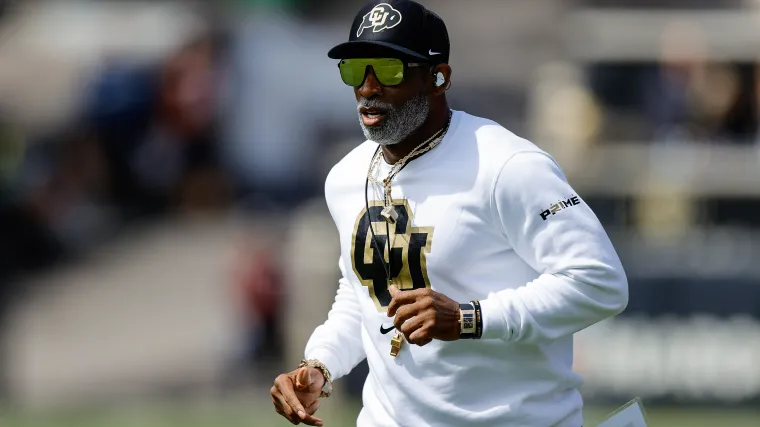
According to a financial report obtained by USA Today outlines limitations tied to the “Prime Effect,” as well as a gap between money paid out and the expected budget. In addition to a new scoreboard and new turf at Folsom Field, Deion Sanders’ $10 million annual contract has taken effect, further impacting the bottom line.
The Prime Effect
Sanders and the Colorado football program have generated more than $3 billion in publicity value for the university since his arrival. In 2023, the football program produced $142 million in revenue — an increase of $117 million from the previous season. In 2024, Sanders’ best season at Colorado, ticket prices soared. In 2025, those prices regressed.
Under Sanders, the program has also posted record academic performance, along with record highs in overall enrollment and minority enrollment. From the outside, business appears to be booming. However, following a 3-9 season, significant financial concerns have emerged.
A new scoreboard, new field turf, and a $10 million annual contract for the head coach are substantial expenses. The program maintains that these costs were not paid for with tuition dollars or other academic funds.
Another factor contributing to the deficit was Colorado’s move from the former Pac-12 Conference to the Big 12. Revenue distribution from the Big 12 is noticeably lower than what the Pac-12 previously provided.
Recruiting Implications
In a sport where programs routinely aim for the stars — literally — Sanders has chosen to zig while others zag. Traditionally, the fastest way to build a contender is to accumulate as much top-rated talent as possible. Heading into the 2026 season, Colorado appears to be doing the opposite.
Financial constraints suggest the program no longer has the flexibility to “swing for the fences” in recruiting. The parallels to the NFL are notable. When an NFL franchise faces salary cap issues while losing, a predictable chain of events often follows.
High-priced veteran contracts are shed and replaced with cheaper, expiring deals. Veterans are traded for future assets, lowering payroll costs and creating flexibility. Teams endure a short-term dip, then benefit from cap relief and added assets to rebuild — often quickly.
When applied to the Colorado Buffaloes, the comparison feels familiar.
Sanders has stated that players who left did so for financial reasons. He has also said he is no longer interested in players “chasing a bag.” Most of the players brought in during this cycle came from Group of Five programs or lower levels — effectively replacing expensive talent with cheaper, potentially short-term options.
Will the gentleman’s rebuild work?
Sanders cannot afford another sub-.500 season. With 16 regular-season wins in 36 game, the math worsens with another losing year. The hype and optimism surrounding the program have faded since the departures of Travis Hunter and Shedeur Sanders.
Sanders’ comments throughout the season — and particularly during his final press conference of 2025 — suggest he is leaning into a model built on 11 players operating as one unit rather than relying on elite individual talent. It is an appealing concept, but one that historically struggles in Power 4 college football.
The belief that high-rated talent is required to win is so widespread that some fans constructed conspiracy theories around Curt Cignetti’s Indiana team — claiming no program could succeed at that level without a critical mass of four- and five-star players.
Colorado does have some high-end additions. DeAndre Moore (Texas), Boo Carter (Tennessee), and Liona Lefau (Texas) are all four-star recruits from strong programs, though each comes with caveats. The bulk of the incoming class arrived from lower levels of competition.
If this approach works, Sanders will receive the credit. If 11 players operating as one produces a better on-field product, it will be celebrated — and it could buy the program time to stabilize finances and prepare for a more traditional 2027 or 2028 offseason.
However, outside of Curt Cignetti, there is little Power 4 precedent to suggest this model will succeed. And if it fails in 2026, there is no guarantee the plan survives long enough to reach 2027 or 2028.