
This post was originally published on this site.
PARIS – L’Oréal stock sank Friday, one day after the beauty giant published fourth-quarter results for 2025 that were negatively impacted by business in north Asia, especially travel retail in China.
L’Oréal stock closed the day down 4.9 percent to 372.35 euros.
The group’s sales increased 6 percent on an organic basis in the three months ended Dec. 31 to 11.25 billion euros, as reported. That rise came in under the Street’s estimate of 6.4 percent.
In the quarter, sales in north Asia gained 0.6 percent in like-for-like terms but declined 5 percent on a reported basis. This was despite news of improving business in Hainan, China’s duty-free shopping island. But that only accounts for about 20 percent of the channel’s ecosystem.
“What we saw [elsewhere] was continued softness in the Korea and mainland China travel retail market that was temporarily disrupted by the suspension of the Sunrise [duty-free members] app and the change in domestic airport operators,” said Christophe Babule, L’Oréal chief financial officer, during the group’s analyst meeting at headquarters in the Clichy suburb of Paris on Friday morning.
“To maintain healthy inventory levels, we adjusted our sell-in in Q4,” he continued. “Sell-out progressively accelerated and was close to flat in the fourth quarter, allowing us to improve our share by 260 basis points. Travel retail Asia now accounts for less than 4 percent of our sales, versus more than 6 percent only three years ago.”
Excluding the impact of travel retail Asia, L’Oréal’s growth at group level accelerated by one point each quarter last year.
Another underperforming part of the company’s business in 2025 was skin care, L’Oréal’s largest product category generating 16.4 billion euros and comprising 37 percent of total group sales. Skin care sales were basically flat, up 0.4 percent year-on-year. That compares to makeup, the company’s second-largest category, with sales up 3.5 percent, and third-ranking hair care, with sales up 12.9 percent.
“We will be winning again in skin care by bridging health and beauty, and pioneering the science of longevity,” said Nicolas Hieronimus, chief executive officer of L’Oréal. “Skin care is clearly the category where we have the biggest acceleration opportunity, because after eight years of strong outperformance, 2025 has not met L’Oréal standards.
“The skin care playbook is the one that has changed the most with the proliferation of fun indies,” he continued. “So we have changed our own playbook. We increased innovation in the second half and revised our media-engagement strategies. Even though skin care is less reactive than makeup, it does work. The proof is in the pudding. We stepped up innovation in dermatological beauty. The sales growth accelerated quarter after quarter.”
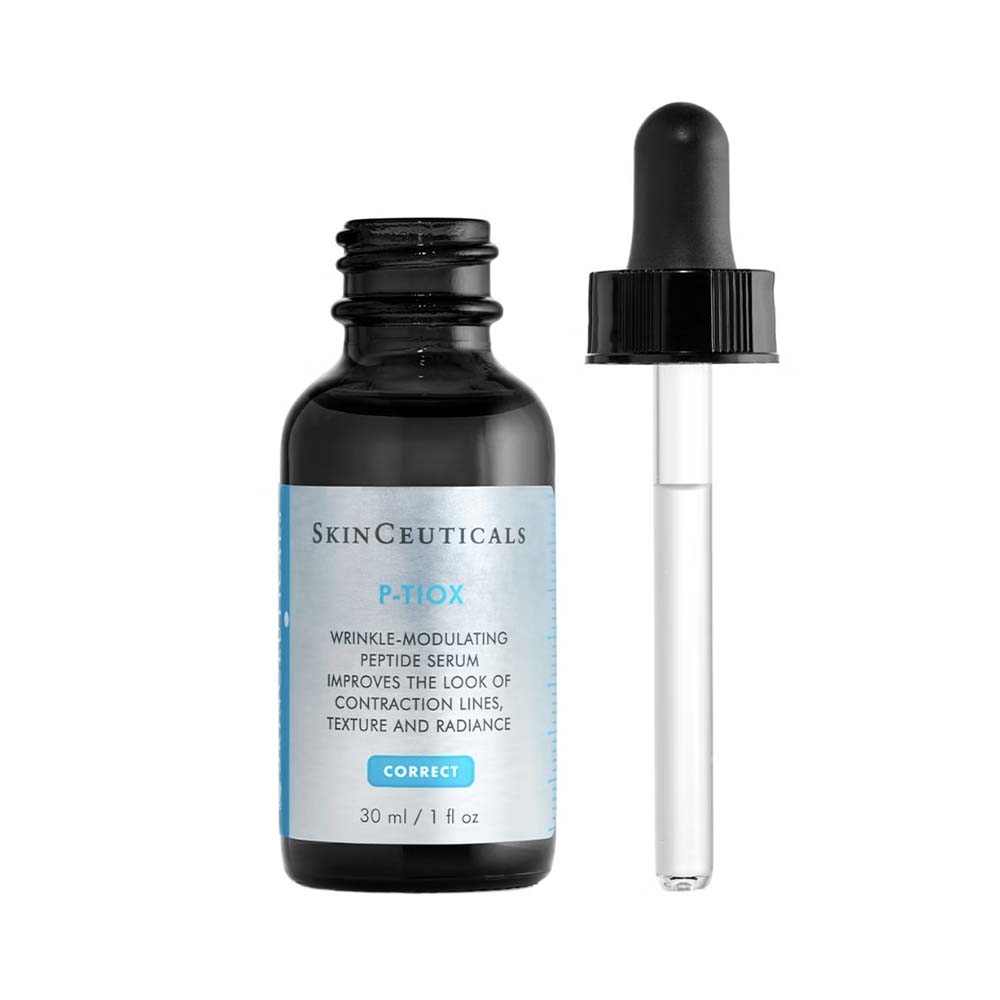
CeraVe began turning the corner in its key home market of the United States. And SkinCeuticals became the division’s third billionaire brand, while Vichy accelerated strongly in the second half of 2025.
From SkinCeuticals.
Courtesy
Hieronimus underlined that the real opportunity for skin care lies in increased lifespans.
“[With] the focus on preventative health and new perceptions of aging, longevity is fundamentally reshaping the consumer skin care journey from reactive antiaging to proactive skin health span,” he said, asserting that with more than 15 years of dedicated longevity research, L’Oréal is uniquely positioned to offer advanced beauty protocols. That will in part include supplements, which the group plans to roll out across additional brands this year.
India, where L’Oréal registered high single-digit growth and makes about 1 percent of its sales, did not meet expectations in 2025.
“We did not gain a lot of market share, if any,” Hieronimus said, adding he believes it is due to the fact the company is setting up a new organization there. “We see that we have major growth opportunities.”
He said L’Oréal needs to be more ambitious in India, where it recently installed a new CEO. The company has invested in its factory and created a tech center in Hyderabad.
Among the bright spots for L’Oréal last year was the development of its e-commerce footprint, with the channel now one of the group’s strongest growth drivers. Last year, e-commerce sales amounted to 13 billion euros, crossing the 30 percent threshold of total group sales for the first time. That represented an increase of 200 basis points from 2024.
The gain was broad-based across all regions, but especially strong in SAPMENA–SSA, which comprises the South Asia-Pacific, Middle East, North Africa and Sub-Saharan Africa zones.
“Where it’s a real game-changer,” Hieronimus said.
“Only 10 years ago, e-commerce contributed only 1.3 billion euros, or 5 percent, to our sales,” Babule said. “So why does it matter? First, it means that we are winning with the winners.”
He reminded that global market growth in e-commerce is four times that of brick-and-mortar.
“Second, e-commerce is a real game-changer in emerging markets, where its weight rose by 400 basis points in 2025,” Babule explained. The third point is that e-commerce is not only margin-accretive, but also highly cash-generative.
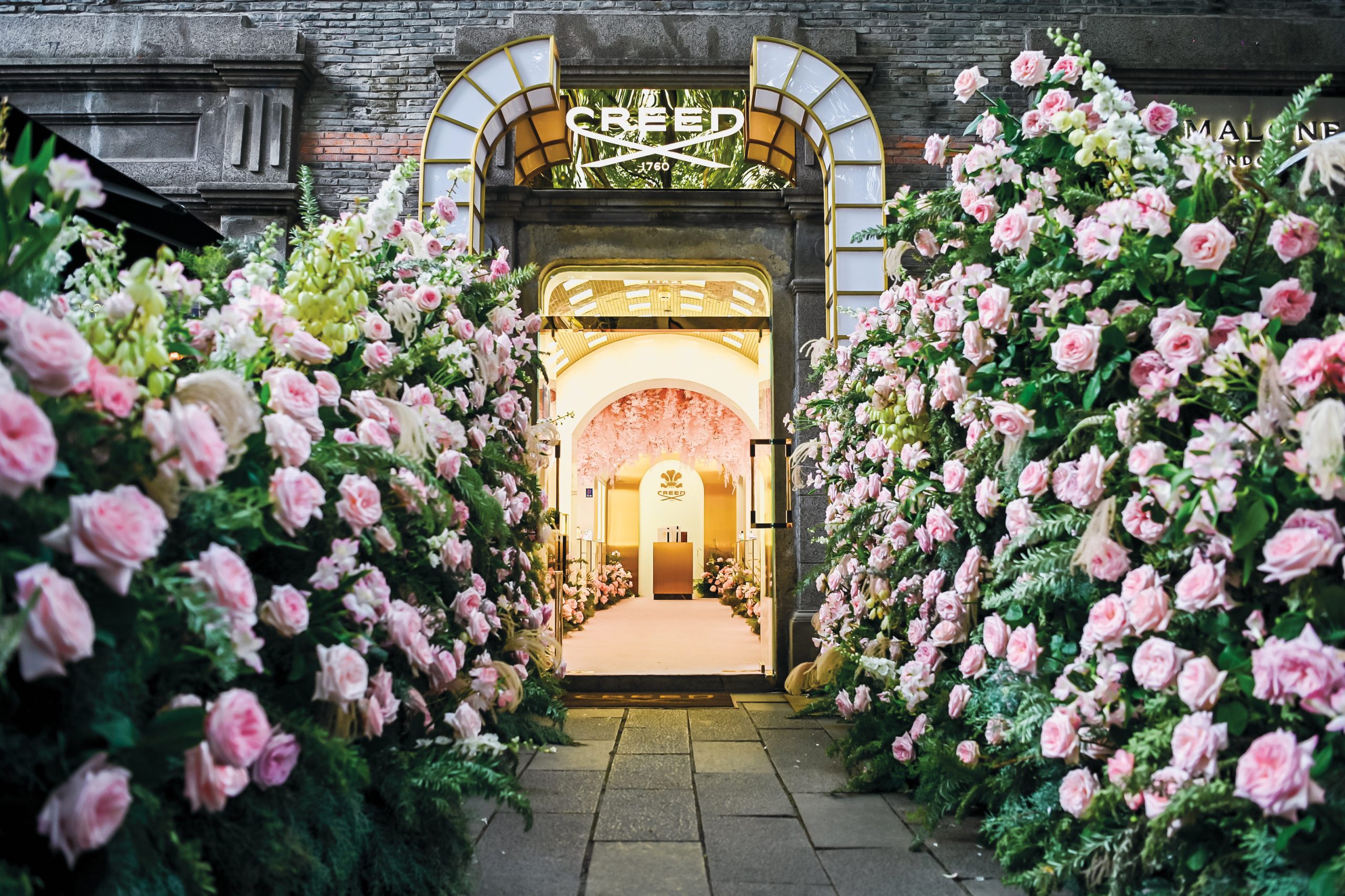
L’Oréal and Kering forming a long-term, strategic partnership in beauty and wellness, announced in 2025, was another highlight. The deal includes the acquisition of the House of Creed by L’Oréal and gives the group the rights to enter into 50-year exclusive licenses for the creation, development and distribution of fragrance and beauty products for Gucci, once Kering’s current license for the business with Coty expires.
It also includes 50-year exclusive fragrance and beauty licenses for Bottega Veneta and Balenciaga. The 50/50 joint venture agreement is valued at 4 billion euros, and encompasses opportunities at the intersection of luxury, wellness and longevity.
Cyril Chapuy, global president of L’Oréal Luxe, said the Kering brands will contribute to the drastic acceleration in high-growth segments.
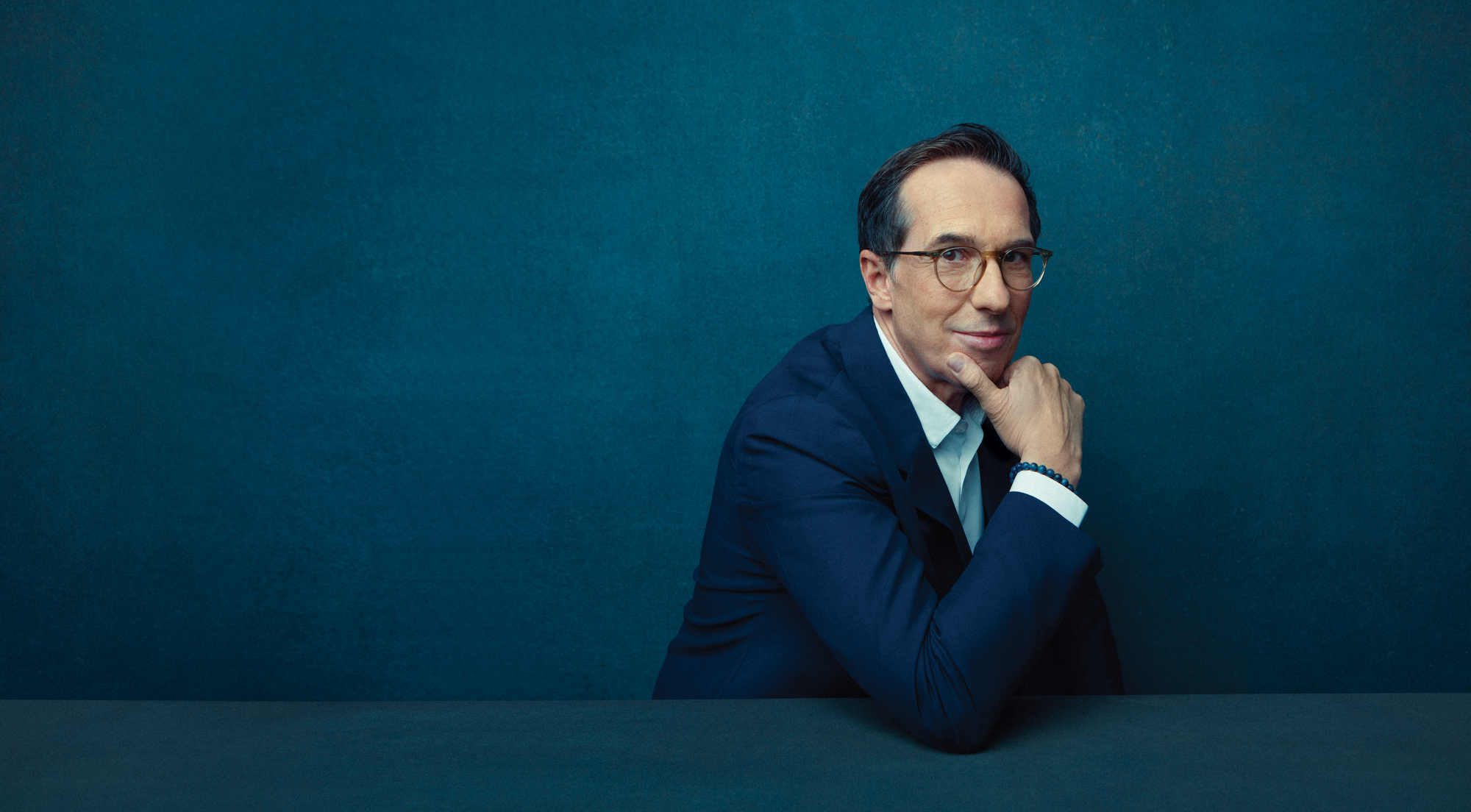
Nicolas Hieronimus
Photo by Charlie Clift/WWD
“We will be scaling Balenciaga and Bottega Veneta at the same time as Miu Miu,” he said. “For this, we will follow the proven hyper-growth blueprints of Valentino and Prada, which both scaled from 100 million [euros] to over 700 million [euros] in just five years.”
Hieronimus was asked whether L’Oréal would be interested in taking the Gucci license earlier than in June 2028, when it is expected to end. He said the Kering Beauté deal is very important for L’Oréal.
“It really puts us apart from the rest in luxury beauty,” Hieronimus explained. “I’m very proud that we could sign it, that we could agree with Luca de Meo [Kering’s CEO] and Kering management to make this deal.
“As far as Gucci, it’s something that’s being discussed between Kering and Coty, so I cannot comment on it,” Heironimus said. “The thing I can say is that would we be happy to have it sooner. Clearly.”
There is no extra cost in the deal brokered for that, should it come to pass.
The Creed, Bottega Veneta and Balenciaga brands will go to L’Oréal as soon as non-compete studies are completed, which should be during the second quarter of 2026.
Chapuy said the potential of the Creed brand is massive. “Creed is today the number-three player in collection fragrances, which is the part of the fragrance market that grows the fastest,” he said. “It’s 23 percent of the fragrance market and growing at three-times the rhythm of regular fragrances.”
Creed currently generates annual sales of about 350 million euros. “It can become quickly a billionaire brand,” Chapuy said.
Bottega Veneta and Balenciaga, which launched into fragrance in 2024 and 2025, respectively, are a lot smaller.
“They have great potential,” Chapuy said. “These are very solid fashion brands with very distinctive territories — Bottega exceptional craftsmanship and sophistication, and Balenciaga disruptive high-fashion statements. We think these two brands will have great, great DNA for beauty.”
How big can Gucci grow? Hieronimus wouldn’t estimate, but reminded that today the Yves Saint Laurent Beauté business, also at L’Oréal, generates more than the Saint Laurent fashion activity.
A recent report by analysts at Barclays contended that a Gucci fragrance business of 5 billion euros “is not outside the realm of the possible.”
The transaction for L’Oréal to acquire another 10 percent of Galderma, the pure-play dermatology leader, bringing the stake up to 20 percent, just closed. It’s another fast-growing beauty adjacency.
“The increase in the stake in Galderma will give us two very concrete things,” Hieronimus said. “First, we will be proposing to the AGM of Galderma two board directors representing L’Oréal, and that will allow us to be truly part of the strategy of the discussion and both contribute but also continue on a learning process of this world of aesthetics and of the combination between topicals and injectables.”
On a more financial basis, it will let L’Oréal consolidate Galderma’s profits under the equity method.
“As it brings us closer to Galderma, we also want to expand our scientific partnership,” Hieronimus said. There is a study presently focused on measuring product performance through imaging.
He remains confident about L’Oréal.
“When I look at how we transformed in 2025, I feel that L’Oréal is stronger than ever and ready to accelerate its growth and expand beyond its boundaries,” Hieronimus said. “The beauty market will be boosted by several and major lasting, underlying trends which will benefit L’Oréal.”
The number of beauty consumers continues to increase steadily, middle classes are growing in emerging markets, teenagers are entering the category ever younger and with extended lifespans, while consumers in developed countries are using products ever longer.
“We are confident that L’Oréal will reach 2 billion consumers in the next decade,” Hieronimus said.