
This post was originally published on this site.

With the stock market’s strong performance as sectors like artificial intelligence and tech boom, Gov. Gavin Newsom’s administration this week painted a more optimistic picture of California’s future financial situation. The governor is proposing to grow the state spending plan by billions in the upcoming year, reaching a record high $348.9 billion. His administration expects the state to still have to figure out how to close a $2.9 billion budget shortfall. The financial update is significantly different from the one released by the state’s Legislative Analyst in November, which included the possibility of an economic downturn and a slowdown in the stock market in its forecast. Under that scenario, the Legislative Analyst’s Office projects the state’s shortfall this upcoming year to be $18 billion. H.D. Palmer, the spokesman for Newsom’s Department of Finance, said the governor is considering the risks.”What we’re seeing with our professional economists and our forecasters and the economy, the market and the cash we’ve received today tells us and informs us that we’re going to do better in our forecast than that projection by the LAO,” Palmer said. “Not a criticism, but a comparison of our forecasts.Both Newsom’s administration and the LAO have said California is facing structural budget problems in the years to come, that could be up to $35 billion a year starting in July of 2027. The Republican vice chairman of the California Senate’s Budget Committee, Roger Niello, said Friday the state is in a strange situation where it’s bringing in more cash than expected but still facing large shortfalls. “It’s alarming,” he said. When asked to respond, Palmer said the governor’s proposal is a balanced plan. He said the governor is pushing to put $23 billion in the state’s reserves. “That’s an insurance policy against the kinds of risks that we’ve been talking about,” Palmer said. Palmer noted when more revenue comes in, the state has to put more money toward the programs that have minimum funding requirements under state law. Those primarily apply to public education funds. Palmer also noted the bigger budget is meant to absorb some of the costs that come from cuts from the federal government. Palmer said more solutions will be proposed to close the future budget gap in May, when an update known as the May revise is released. When asked why wait until May, Palmer said the Newsom administration will have a clearer picture of how the federal government’s policy changes impact the state and a better sense of the state’s money situation closer to when the new financial year takes effect in July. “We believe it’s prudent to plan for it and look ahead, but wait until we’ve got those updated forecasts,” Palmer said. KCRA 3 Political Director Ashley Zavala reports in-depth coverage of top California politics and policy issues. She is also the host of “California Politics 360.” Get informed each Sunday at 8:30 a.m. on KCRA 3.
With the stock market’s strong performance as sectors like artificial intelligence and tech boom, Gov. Gavin Newsom’s administration this week painted a more optimistic picture of California’s future financial situation.
The governor is proposing to grow the state spending plan by billions in the upcoming year, reaching a record high $348.9 billion. His administration expects the state to still have to figure out how to close a $2.9 billion budget shortfall.
Advertisement
The financial update is significantly different from the one released by the state’s Legislative Analyst in November, which included the possibility of an economic downturn and a slowdown in the stock market in its forecast. Under that scenario, the Legislative Analyst’s Office projects the state’s shortfall this upcoming year to be $18 billion.
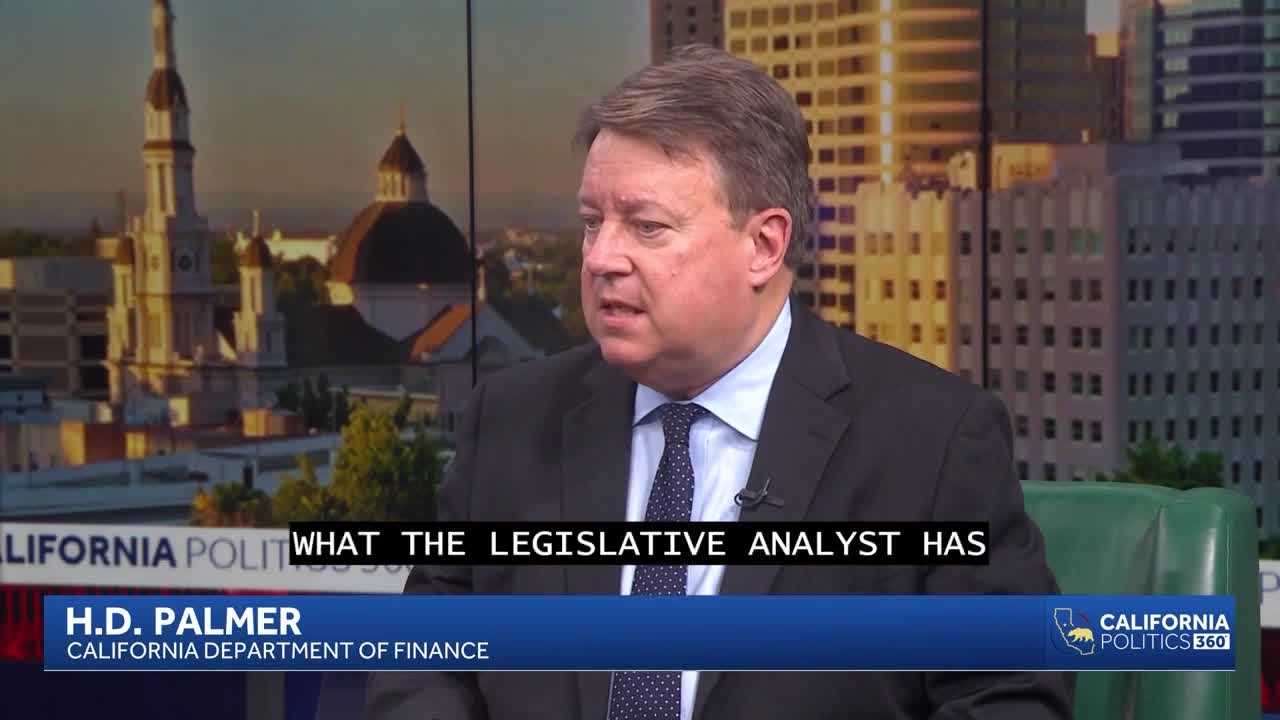
H.D. Palmer, the spokesman for Newsom’s Department of Finance, said the governor is considering the risks.
“What we’re seeing with our professional economists and our forecasters and the economy, the market and the cash we’ve received today tells us and informs us that we’re going to do better in our forecast than that projection by the LAO,” Palmer said. “Not a criticism, but a comparison of our forecasts.
Both Newsom’s administration and the LAO have said California is facing structural budget problems in the years to come, that could be up to $35 billion a year starting in July of 2027.
The Republican vice chairman of the California Senate’s Budget Committee, Roger Niello, said Friday the state is in a strange situation where it’s bringing in more cash than expected but still facing large shortfalls.
“It’s alarming,” he said.
When asked to respond, Palmer said the governor’s proposal is a balanced plan. He said the governor is pushing to put $23 billion in the state’s reserves.
“That’s an insurance policy against the kinds of risks that we’ve been talking about,” Palmer said.
Palmer noted when more revenue comes in, the state has to put more money toward the programs that have minimum funding requirements under state law. Those primarily apply to public education funds. Palmer also noted the bigger budget is meant to absorb some of the costs that come from cuts from the federal government. Palmer said more solutions will be proposed to close the future budget gap in May, when an update known as the May revise is released.
When asked why wait until May, Palmer said the Newsom administration will have a clearer picture of how the federal government’s policy changes impact the state and a better sense of the state’s money situation closer to when the new financial year takes effect in July.
“We believe it’s prudent to plan for it and look ahead, but wait until we’ve got those updated forecasts,” Palmer said.
KCRA 3 Political Director Ashley Zavala reports in-depth coverage of top California politics and policy issues. She is also the host of “California Politics 360.” Get informed each Sunday at 8:30 a.m. on KCRA 3.