
This post was originally published on this site.
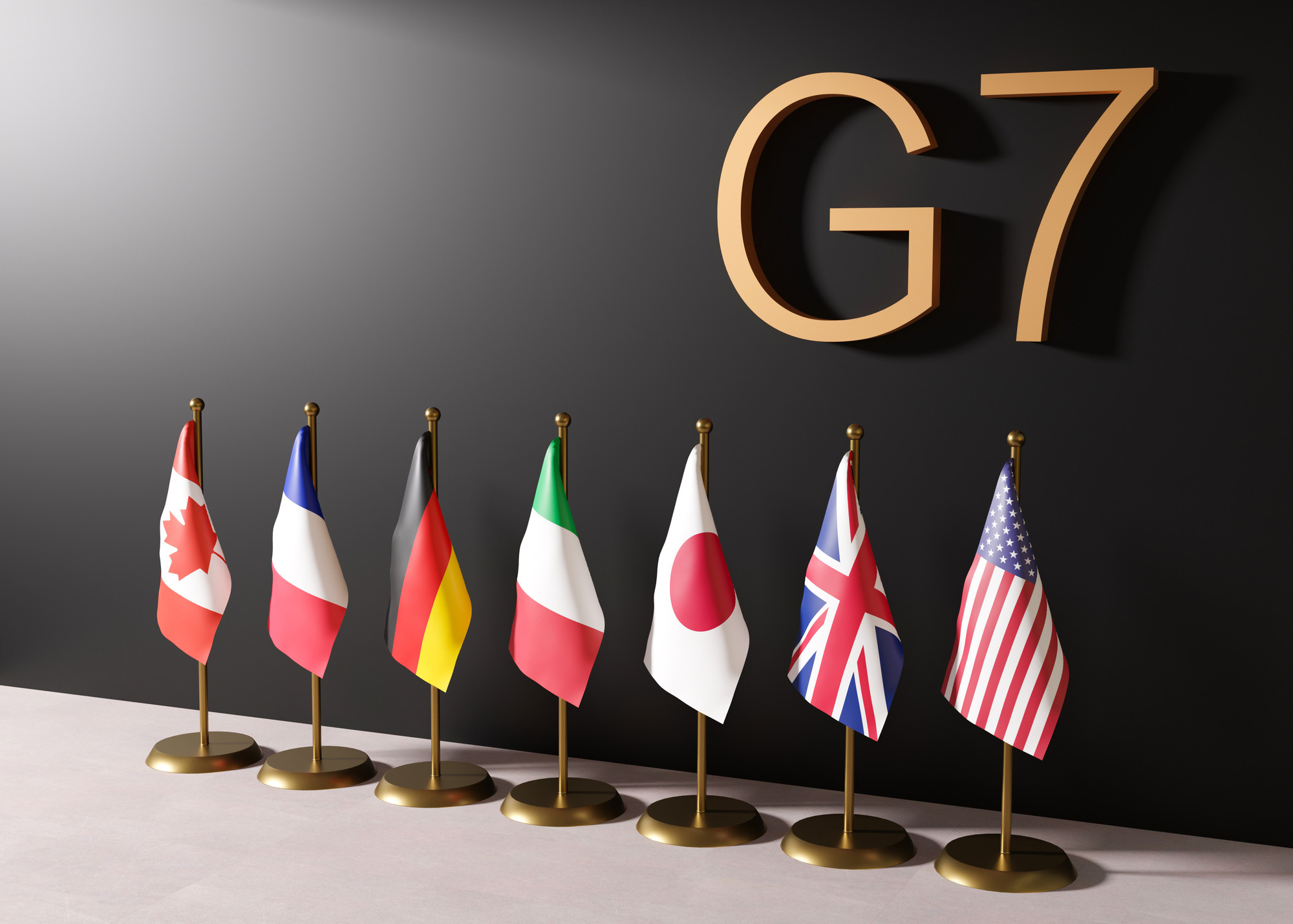
WASHINGTON DC – In a virtual meeting convened Monday, G7 finance ministers, alongside senior officials from the IMF, World Bank, OECD, and the Financial Stability Board, issued a joint statement underscoring the bloc’s resolve to safeguard economic resilience and support Ukraine in Russia’s ongoing war against its neighbor.
The statement, released Monday night, combined two increasingly intertwined global priorities: securing supply chains for critical minerals and pressing Moscow with financial and diplomatic pressure.
JOIN US ON TELEGRAM
Follow our coverage of the war on the @Kyivpost_official.
The ministers expressed “deep concern” over non-market interventions and export controls that disrupt global mineral flows – a veiled nod to the strategic leverage Russia and China wield in rare-earths and other critical resources.
Advertisement
By framing these supply chains as essential to “economic growth and security,” the G7 is signaling that resource dependence is now as much a security issue as an economic one.
Ukraine in the spotlight
Yet the spotlight was unmistakably on Ukraine. The statement reaffirmed the G7’s “unwavering support” for Ukraine’s sovereignty, while highlighting the new IMF Staff Level Agreement and pledging the exploration of “a wide range of financing options” to bolster Kyiv.
Notably, the ministers flagged the potential use of Russian sovereign assets frozen in G7 jurisdictions to help finance reconstruction and reparations – an unprecedented step linking global finance tools directly to war accountability.
Other Topics of Interest
Baltic Bluntness: Ukraine Won’t Fail, But West’s Political Nerves Might
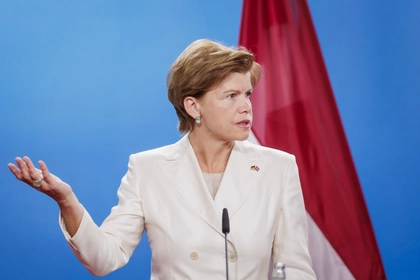
Latvia’s Foreign Minister warns in Washington that a wealthy and powerful Western alliance is running out of excuses for its political hesitation on acting.
“We will continue to work together to develop a wide range of financing options to support Ukraine, including potentially using the full value of the Russian Sovereign Assets, immobilized in our jurisdictions until reparations are paid for by Russia, to end the war and ensure a just and lasting peace in Ukraine,” reads the statement.
The move carries a sharp geopolitical edge. By anchoring Ukraine at the top of the agenda under France’s upcoming G7 presidency, the bloc is sending a clear message to Moscow: continued aggression carries tangible economic and financial consequences.
Advertisement
At the same time, the coordinated push on critical minerals and supply chains hints at a broader strategy to limit Russia’s – and by extension China’s – economic leverage in high-tech sectors and global markets.
Analysts see this dual-pronged approach as a recognition that the economic battlefield is now as crucial as the physical one.
Diversifying supply chains, derisking reliance on authoritarian regimes, and aligning financial tools against aggressors reflect a G7 that is thinking strategically about both growth and geopolitical security.
As the world watches, the G7’s statement serves as a reminder that the next front in the war over Ukraine may not be fought with tanks or missiles, but with the intertwined levers of finance and critical resources.
In 2025, it appears, the global economic chessboard has merged with the battlefield in Kyiv.