
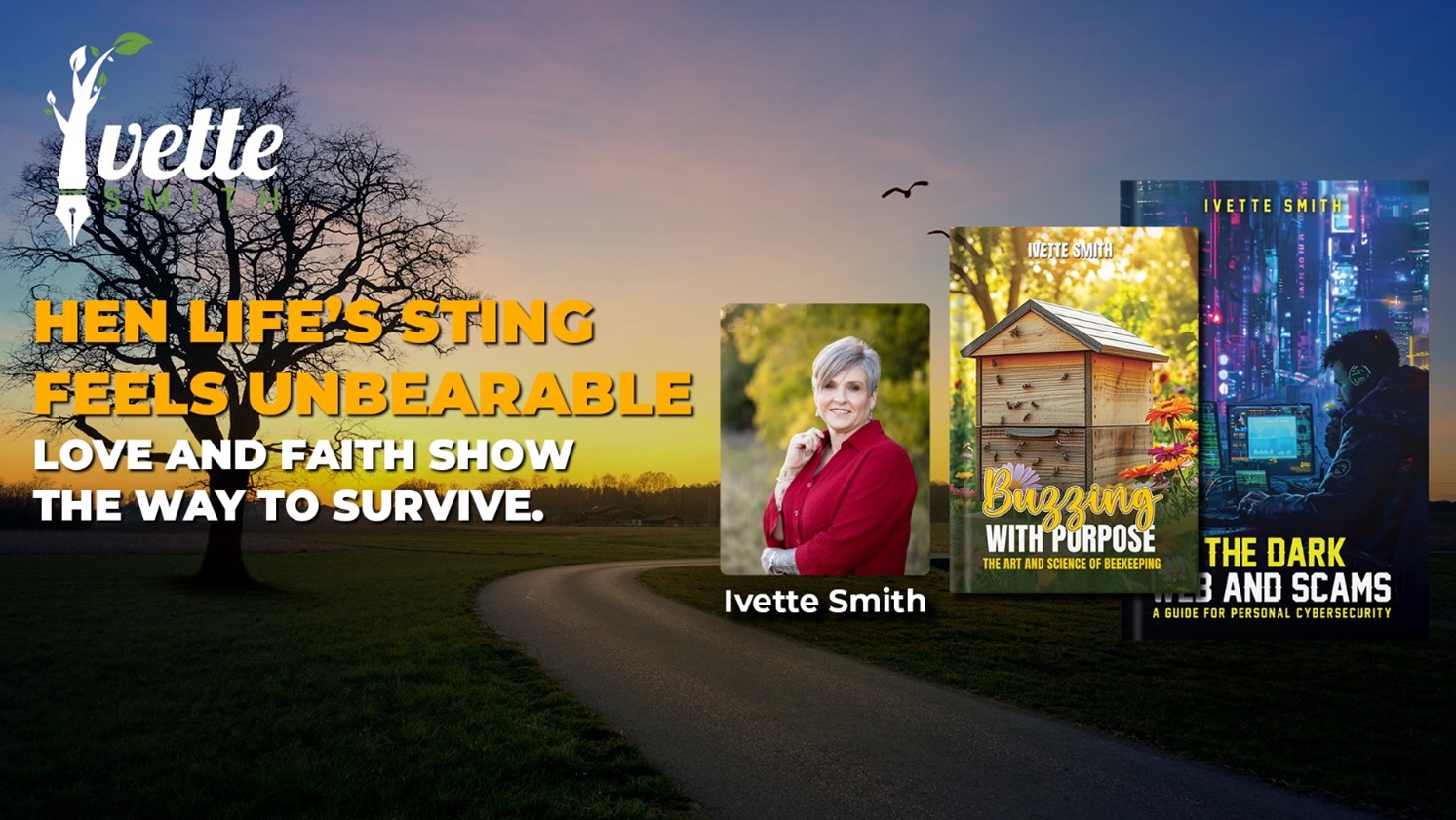
Some stories aren’t born from triumph—they’re born from wounds. For Ivette Smith, the dark web wasn’t a curiosity; it was a crucible. What started as a search for remote work after a serious injury quickly turned into a lesson in deception, loss, and resilience. Today, that journey fuels her writing and her mission: to protect others from the traps she once fell into.
In 2020, forced to leave her job due to injury, Ivette turned to online job boards. Calls and emails rolled in. Everything seemed legitimate—professional company names, polished interviews, detailed offer letters. But soon, the cracks appeared. Requests to translate documents, buy special printers, and deposit checks that weren’t real revealed a world of online fraud she hadn’t anticipated. “They knew exactly how to talk to you,” she recalls. “Before I knew it, I’d given them everything—my Social Security number, my bank info, even computer access.”
The fallout was harsh. Accounts hacked, thousands of dollars gone, a sense of safety shattered. “They left viruses. I couldn’t believe how easily it happened,” she says. “It broke my trust in people and in technology.”
But Ivette’s story didn’t end there. Out of the wreckage came purpose. She wrote The Dark Web and Scams: A Guide for Personal Cybersecurity to make the hidden world of online crime accessible, human, and actionable. “This isn’t for IT experts,” she says. “Ordinary people—people like me—need to know how these scams work because we’re the ones they target.”
Her book explains phishing, ransomware, social engineering, and deepfakes with clarity, blending her own experiences with real-world examples. Technology, she insists, isn’t inherently dangerous; it’s the choices of those wielding it that cast shadows.
Behind the practical guidance lies personal pain. Being scammed wasn’t just a financial hit—it was emotional. “When people take advantage of your kindness, it hurts your soul,” Ivette says. That pain inspired her second book, The Bipolar Journey Workbook, designed to guide readers through self-care, reflection, and healing. “It’s not bubble baths and candles,” she explains. “It’s noticing patterns, forgiving yourself, and breathing through the storm.”
Ivette’s mission extends beyond writing. She seeks to educate seniors, job seekers, and students—anyone vulnerable to deception. “I lost over $30,000 because I trusted,” she says. “If I can save one person from that pain, it’s worth it.” Her work blends cybersecurity with emotional awareness, emphasizing that scammers hack emotions, not just computers.
Despite the losses, Ivette’s story is one of empowerment. Today, she writes, educates, and builds a community of informed readers, proving that even in the darkest corners—of the internet or the mind—light is possible. “I took back my power,” she says. “And anyone can.”