
This post was originally published on this site.
Beginning next school year, Hawaii public school students will be required to complete financial literacy education as a condition of graduation — a move officials say is aimed at better preparing students for adulthood.
The state Department of Education Friday announced that starting with incoming ninth graders in the Class of 2030, all students will have to successfully complete the requirement to earn a high school diploma. The mandate will take effect in the 2026–27 school year.
Students will document completion of the requirement through their Personal Transition Plan, or PTP — a required half-credit course for all Hawaii public school students that focuses on post-high school planning and is necessary for graduation.
Ahead of the formal rollout, DOE is encouraging high schools to begin documenting students’ financial literacy education within PTPs for students in the graduating Classes of 2027, 2028 and 2029.
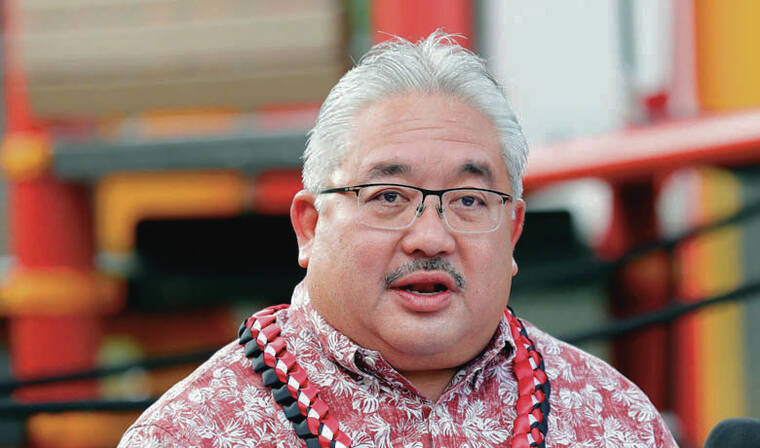
“We want our students to leave high school confident and capable of managing their finances,” DOE Superintendent Keith Hayashi said in a press release. “Financial literacy helps students make informed decisions, avoid common financial pitfalls, and know where to turn for support. This requirement reflects our commitment to ensuring every graduate has the knowledge and skills needed to build long-term financial well-being.”
Under the new requirement, schools will have flexibility in how they deliver financial literacy instruction. Campuses may meet the mandate through a standalone elective course, integration into existing classes, self-paced learning options, or other instructional approaches that align with DOE’s financial literacy program standards, according to the release.
Don’t miss out on what’s happening!
Stay in touch with breaking news, as it happens, conveniently in your email inbox. It’s FREE!
The department said those standards were developed by HIDOE’s Office of Curriculum and Instructional Design and are based on the 2021 National Standards for Personal Finance Education published by the Council for Economic Education and the Jump$tart Coalition for Personal Financial Literacy. The framework identifies the minimum knowledge, skills and decision-making abilities students should have by the time they graduate from high school.
The standards focus on six major topic areas: earning income, spending, saving, investing, managing credit and managing risk. Schools are not required to teach the topics in any specific order and are encouraged to expand beyond the minimum standards when possible.
According to the department, feedback from educators and the public was incorporated into the standards following public review periods in November 2021 and May 2025. The goal, HIDOE said, is to provide a consistent foundation while allowing schools to tailor instruction to their students and communities.
For students transferring into Hawaii public schools from outside the state DOE system, school principals will review educational records to determine whether the student has already met the financial literacy requirement or if additional coursework or documentation is needed.
State education officials said the new requirement reflects growing recognition that students need practical financial skills as they navigate rising living costs, student loans, credit use and long-term financial planning.
By embedding financial literacy into graduation requirements, DOE aims to ensure that all students — regardless of school or background — leave high school with a basic understanding of how to manage money and make informed financial decisions as adults.