
This post was originally published on this site.
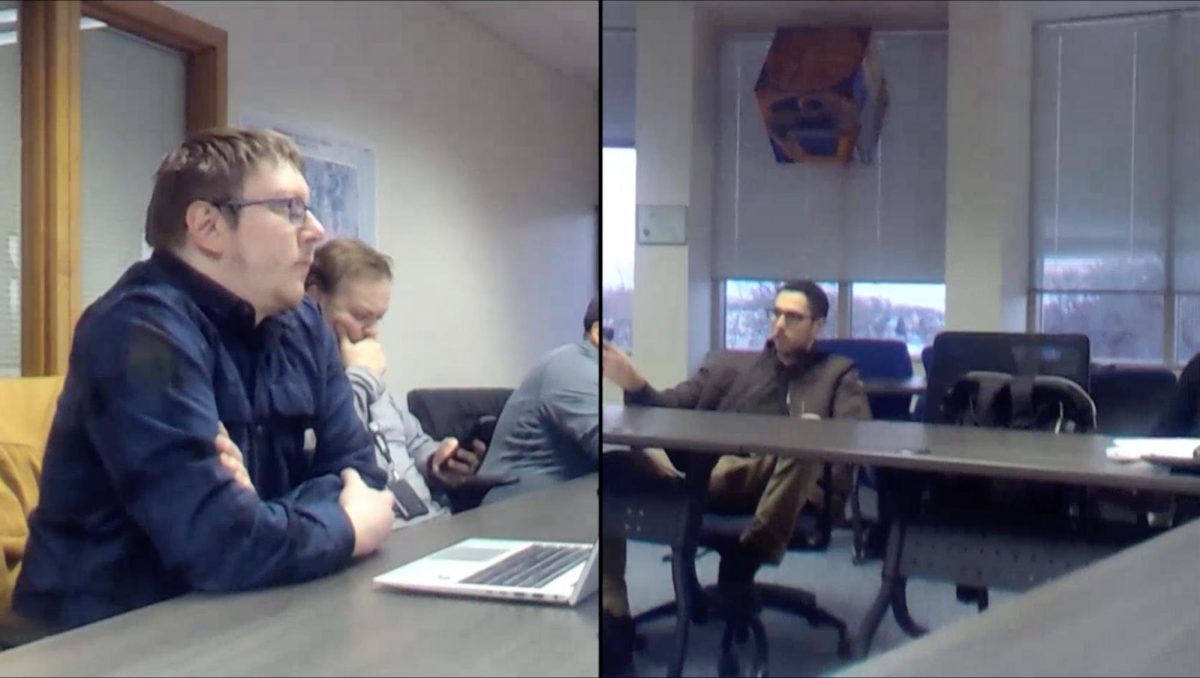
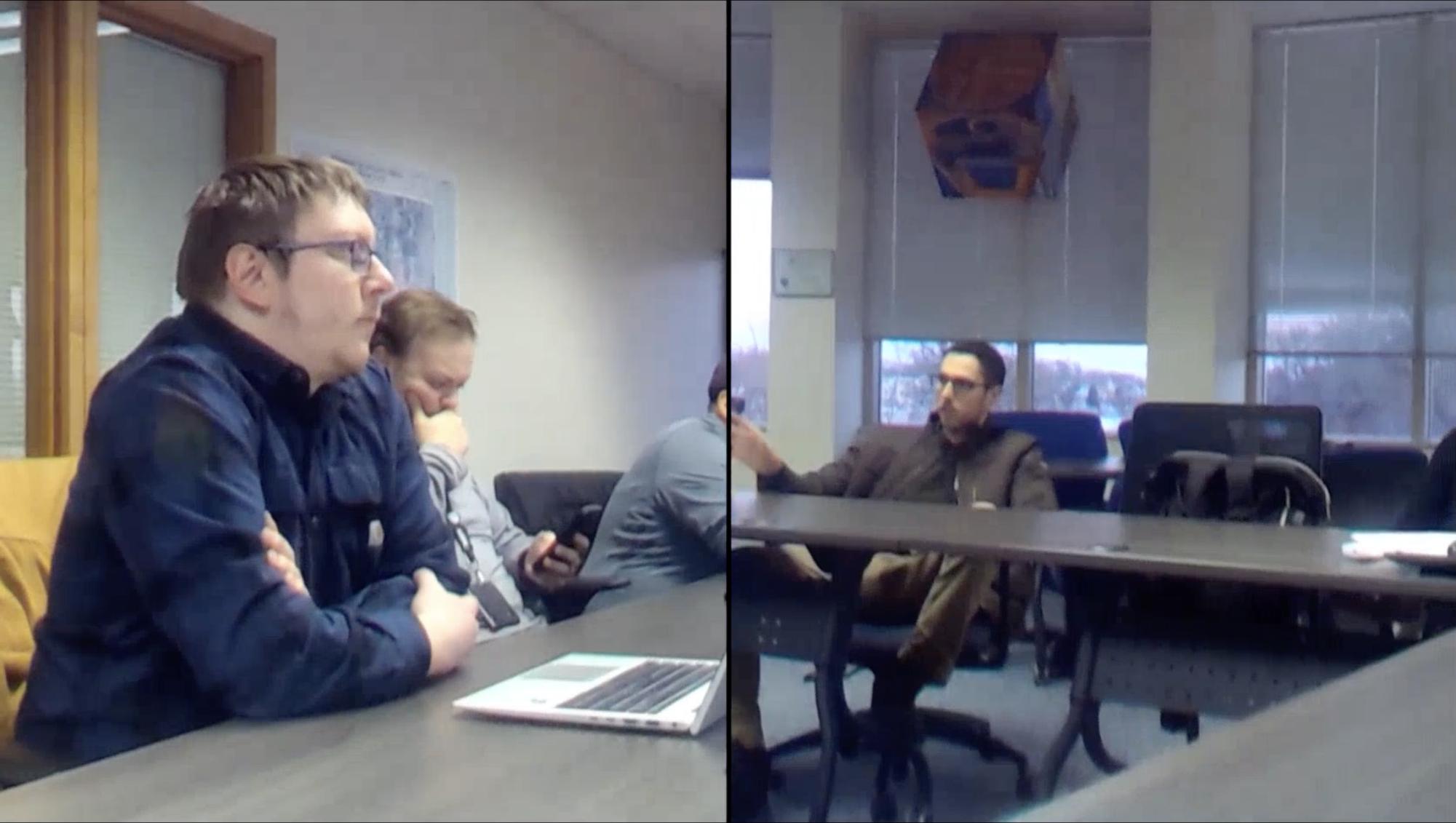
The Finance Committee discussing cybersecurity measures that should be implemented by the city. (From Finance Committee Meeting Recording)
The City of Whitewater’s Jan. 27 Finance Committee meeting was brief, but highlighted the city’s need for greater cybersecurity and long-term planning.
During the meeting, council members emphasized the vendor remote access policy, which aims to strengthen cybersecurity for vendors who access city systems. The policy is designed to establish standardized security requirements for vendors that interact with city data.
“Now this creates a pipeline and pathway where they have to use a jump box, a server, MFA (multi-factor authentication) and all of this has to be approved,” said one of the meeting attendees.
They explained that these cybersecurity policies were created to ensure that safeguards are in place before access is granted. MFA accomplishes this by requiring layers of identification to access content. The jump box acts as a gateway between secure systems and the typically less secure networks that an organization may use.
Under this policy, vendors that require full-time access must be issued credentials. This new process would allow the city to track and manage vendor activity within its networks, creating a stronger sense of cybersecurity.
Having cybersecurity protocols in place is increasingly important for city governments, such as Whitewater, that stores sensitive information that needs to be securely protected. If a data breach occurs, it can cause severe disruptions in many departments, including finance, emergency services, and administrative services.
Cyberattacks can be costly and time-consuming to recover from. They often require whole system shutdowns and outside technical support in addition to the weeks or months required to fully recover. The implementation of the vendor remote access policy will provide additional layers of protection to mitigate these levels of attacks.
In addition to the cybersecurity discussions, the committee previewed several topics that may appear on future agendas in the coming months. These include garbage and recycling as well as the city’s tree inventory and liquidation of fire and emergency medical assets.
Council member at large Patrick Singer said he would like to begin conversations about the city’s 2027 budget earlier than usual to allow for more financial planning.
“I do want to talk about the 2027 budget so we can start being proactive,” Singer said.
These earlier discussions could help the city establish areas of priorities and places that need to see some change to better align with the community’s wants.
Long-term budgeting and borrowing were also addressed during the meeting. Council member Brian Schanen referenced past efforts to manage city debt that is specifically related to police and fire.
“Through referendums and things, we’ve hopefully limited our borrowing for police and fire equipment.” Schanen said.
City officials indicated that early planning and policy updates such as the vendor remote access policy are a part of a broader effort to strengthen the city’s operations. These plans can help improve security and ensure responsibility moving forward. Additional discussions on the topics are expected to continue at future meetings as the council continues to talk about long-term goals and properties in the city of Whitewater.