
This post was originally published on this site.
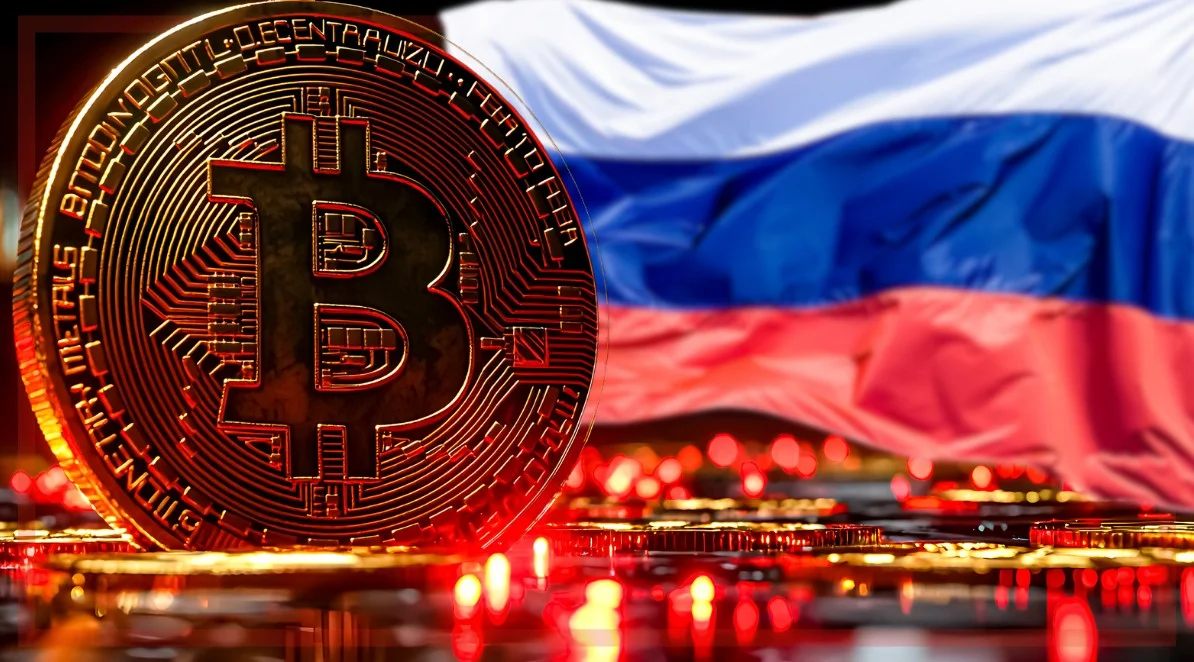
On February 16, 2026, the prominent Russian retail brokerage firm Finam officially announced that it has successfully registered a cryptocurrency mining investment fund with the Bank of Russia. This registration marks a historic shift in the domestic financial landscape, as it represents the first time the central bank has authorized a mainstream investment vehicle dedicated specifically to the production of digital assets. Vladislav Kochetkov, the Chairman of Finam’s Board, confirmed that the fund is currently in the final stages of operational readiness, with trading of fund shares expected to commence for qualified investors in the coming days. The fund’s underlying infrastructure is strategically located in the Alatyr District of the Republic of Mordovia, utilizing advanced local natural gas infrastructure and distributed gas power generation. By sourcing energy directly from local gas fields, the mining operations are designed to achieve maximum cost efficiency, positioning the fund to deliver competitive returns even during periods of high Bitcoin network difficulty.
Expanding the Digital Asset Horizon for Russian Institutional Investors
The launch of the Finam mining fund is part of a broader “Crypto Thaw” in the Russian Federation, where regulators are increasingly seeking to legitimize and tax the domestic mining industry. For years, Russia has served as one of the world’s leading hubs for Bitcoin hash power, but much of the activity existed in a legal gray area or was restricted to private enterprises. By creating a regulated mutual fund structure, Finam is providing a “compliant gateway” for institutional and high-net-worth investors to gain exposure to the mining sector without the operational burden of managing hardware or energy contracts. The fund is slated to introduce a series of diversified investment products related to digital asset mining, potentially including structured notes tied to hash rate performance. This institutionalization is expected to attract significant capital, as Russian investors look for inflation-hedging assets that are decoupled from traditional Western financial markets and the complexities of foreign-exchange restrictions.
Regulatory Oversight and the Future of the Tokenized Economy
The Bank of Russia’s decision to approve Finam’s mining fund signals a growing pragmatic acceptance of blockchain technology as a critical component of the national industrial strategy. Under the new regulatory framework, the fund must adhere to strict transparency and reporting standards, ensuring that investors are fully informed of the technical risks associated with mining hardware lifecycle and energy price fluctuations. This move dovetails with other recent central bank initiatives, including the ongoing feasibility study for a domestic ruble-backed stablecoin and the expansion of the Digital Financial Assets (DFA) law. As Finam prepares to bring its mining fund to market, the project serves as a definitive blueprint for how traditional financial intermediaries can integrate with the “real-world asset” layer of the cryptocurrency economy. For the broader industry, the Mordovia-based project demonstrates that the combination of energy abundance and regulatory clarity can turn digital asset mining into a mature, bank-standard investment class for the first time in the region’s history.
Karthik Subramanian is a founder, writer, and technology consultant with nine years in the crypto ecosystem. He covers token economics, L1/L2 infrastructure, DeFi protocols, wallets/custody, and the bridge between crypto and forex—broker technology, liquidity, and macro drivers. Karthik’s writing focuses on clear, practical frameworks that help professionals evaluate new products and on-chain innovation alongside FX market realities.