
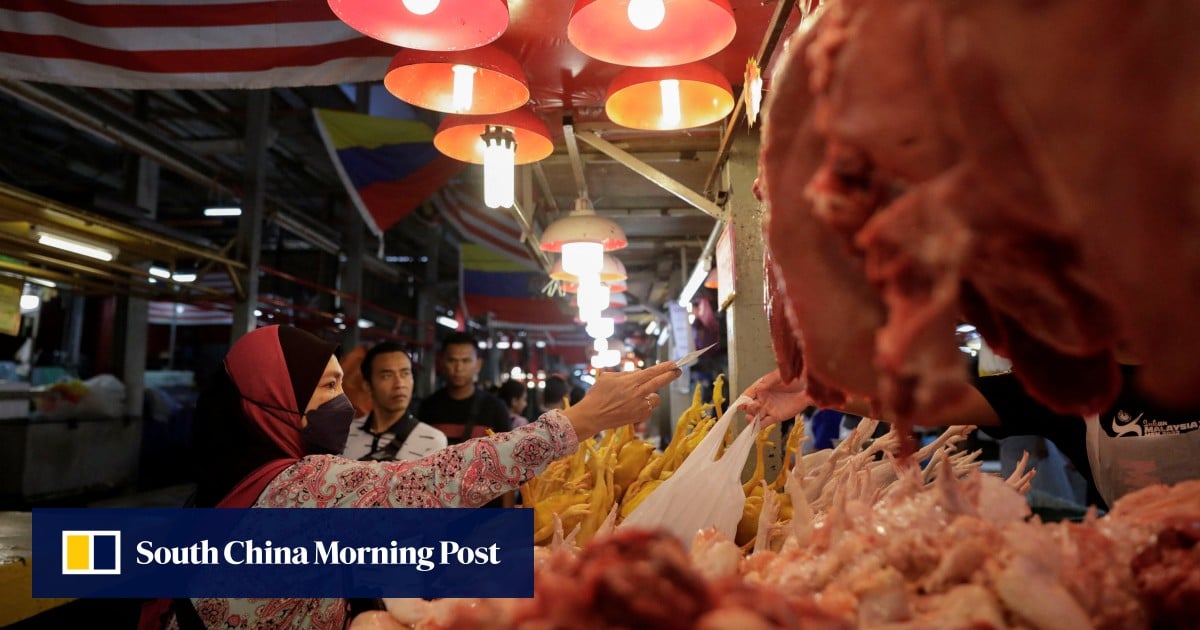
Fair or foul? Malaysia struggles to stomach its US trade pact

This post was originally published on this site.

Janice, a Kuala Lumpur-based food entrepreneur and chef, is in a foul mood as she laments the inferior quality and taste of US-produced chicken and eggs. Yet she concedes that she may have to stomach this unwelcome change in the local poultry market, at least for now.

Malaysia is bracing itself for a surge in American poultry shipments under an “agreement on reciprocal trade” signed with Washington in October. The deal opens the Southeast Asian nation to more US exports of food, cars and machinery, in exchange for a reduced 19 per cent tariff on Malaysian goods entering the world’s largest economy.

“Their beef is good, but their poultry is not hygienic,” said Janice, 41, who asked to be identified only by a pseudonym for fear of reprisals against her business. “We can eat our eggs raw. They cannot do the same.”

Advertisement

For the US poultry lobby, which represents large agribusiness producers that rear nearly half a billion birds each year, the issue is a numbers game. It has pushed hard for American chicken meat to be sold to Washington’s trade partners, even as it seeks curbs on poultry imports to protect domestic farmers.
The lifting of Malaysia’s ban on US poultry – imposed in 2022 over avian flu concerns – reflected “confidence in the safety and quality of US products”, the USA Poultry and Egg Export Council said in a statement welcoming the agreement signed during US President Donald Trump’s visit to Kuala Lumpur in October.
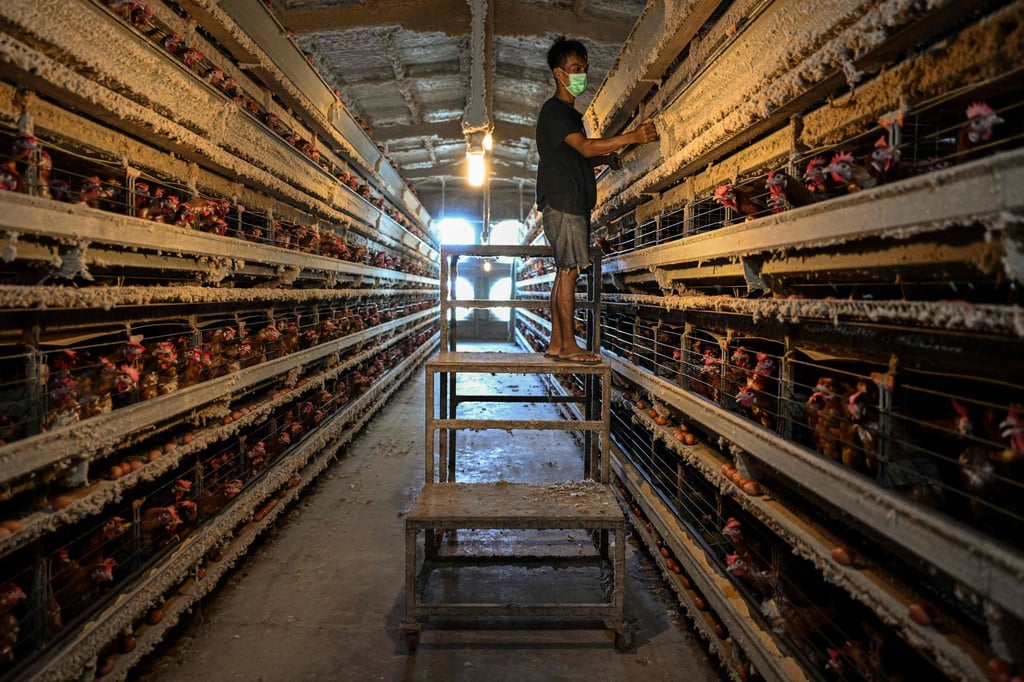
A worker inspects eggs at a poultry farm in Mentakab, Malaysia’s Pahang state. Photo: AFP
Janice, who has built a reputation for experimental, well-received cuisine at pop-ups around Kuala Lumpur, said locally raised chickens were superior to those bred in the United States.

Advertisement