
This post was originally published on this site.
Logistics group Meest has emerged as one of Ukraine’s global players in postal and e-commerce delivery, expanding internationally while continuing to invest at home despite the pressures of war.
Founded in 1989 in Canada by members of the Ukrainian diaspora, Meest has grown from a Canada-Ukraine delivery service into a global logistics group. Meest operates in the postal services market in the B2B, B2C and C2C segments and sends about 30 million parcels annually to over 70 countries around the world.
JOIN US ON TELEGRAM
Follow our coverage of the war on the @Kyivpost_official.
In Ukraine, the company runs two logistics complexes in Lviv, a major hub near Kyiv’s Zhuliany airport, and 61 smaller hubs nationwide, according to Forbes Ukraine.
In 2024, the group invested $72 million to develop its own delivery networks in six European countries and launched construction of a new $30 million logistics hub near Lviv, designed to process up to one million parcels per day by 2026, Forbes Ukraine wrote.
Advertisement
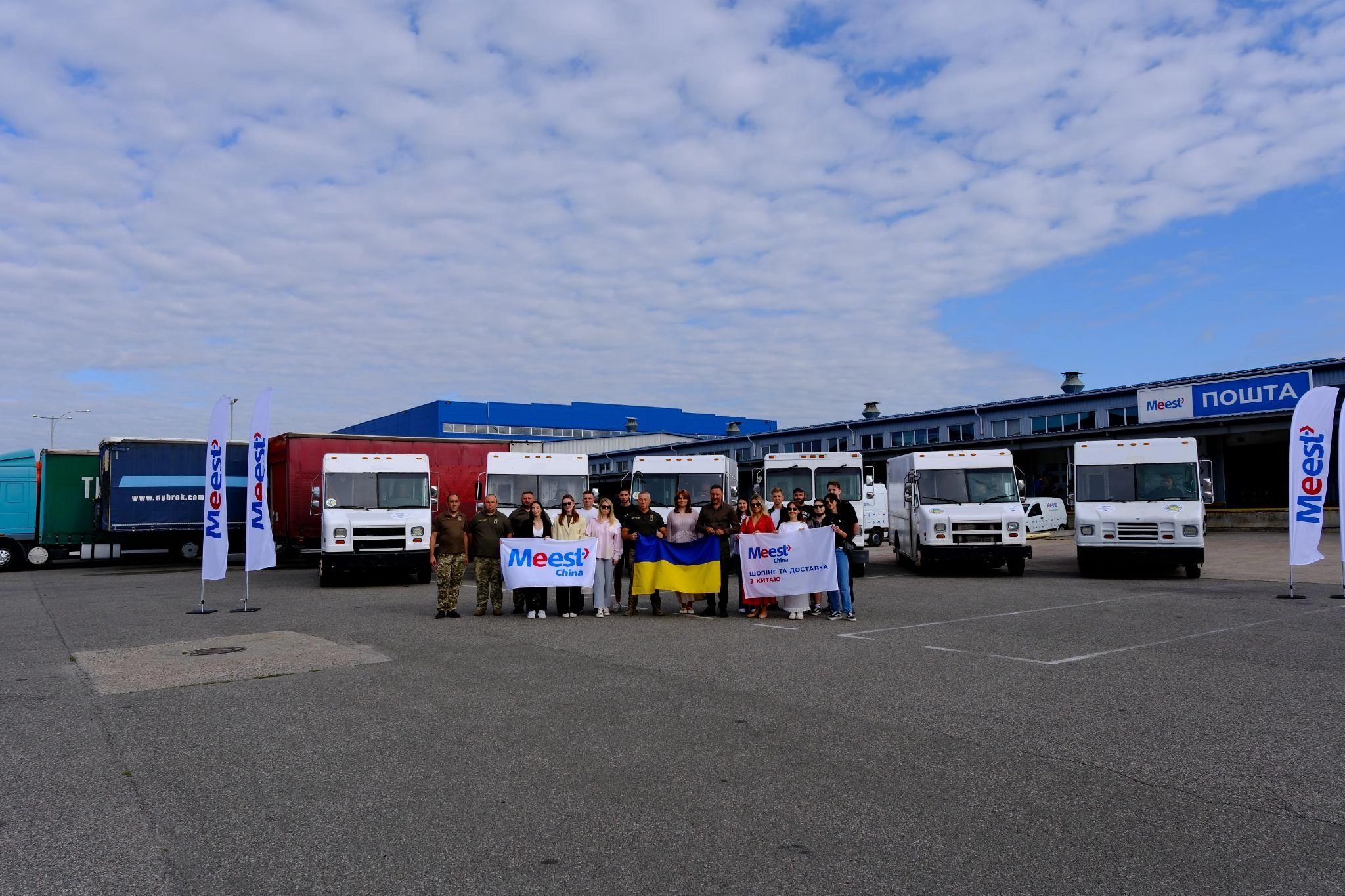
A key part of Meest’s international operations is Meest China, founded in 2014 to handle parcel and cargo delivery from China to Ukraine.
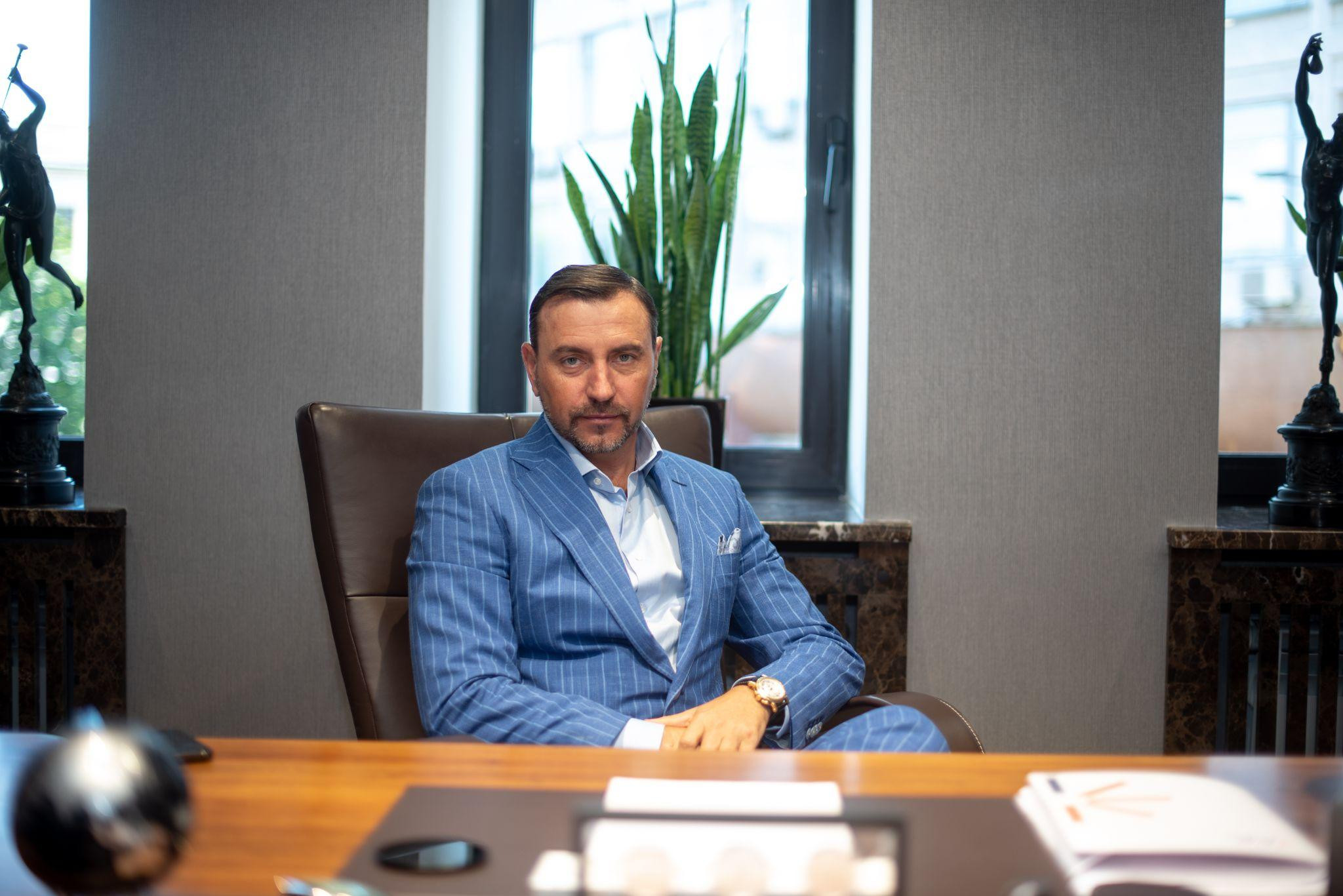
Kyiv Post spoke with Vyacheslav Lysenko, a shareholder in Meest China. With business experience in China dating back to 1994, according to his bio on the website of Kyiv International Economic Forum, Lysenko has been closely involved in cross-border logistics, customs regulation, and foreign trade.
In a blitz interview, he discusses how logistics businesses can operate under the pressure of competition from large players.
Other Topics of Interest
Windfall Tax on Banks Hurts Future Investors – Ukrgazbank CEO
Acting Ukrgazbank CEO Rodion Morozov spoke with Kyiv Post about the IFC’s stance on equity conversion, the bank’s appeal to investors, and why windfall taxes undermine economic certainty.
Kyiv Post (KP): Meest attracts our attention as a Ukraine-based company that is growing globally. What is the secret of your successful strategy?
Advertisement
Vyacheslav Lysenko (VL): I don’t think Meest was ever a local company. It was an international company. Our focus has always been – and still is – the international market. Today, the company is expanding across Europe and other countries.
We can currently deliver to 94 countries. However, our core clients are concentrated in about 30 key countries. Ukraine is just one of them – not the only or even the main one.
If you focus internationally, international business grows. If you focus locally – like Nova Poshta, for example – you can build a very large local business. That is their strategy.
Today, we are providing last-mile delivery in Poland and other European countries. Our goal is to become a last-mile operator in seven other countries. This is a step toward becoming more competitive with global logistics players and to be closer to our clients.
All major international platforms – Alibaba, Next, Amazon – are our bigger partners. We handle customs delivery for their customers. Every day, every month, we work on entering new countries and expanding our international footprint.
Advertisement
Given geopolitical tensions, tariffs, and the formation of new trade blocs, do you feel this uncertainty affecting your business?
Large marketplaces tend to build logistics only for large markets. For example, Chinese companies – including Alibaba – rely heavily on their own logistics players like SF Express and focus on bigger markets like the US or Germany.
But large companies are often not interested in smaller markets. Countries like Romania or Bulgaria are usually not their priority.
That is where we focus. These markets are underserved, yet growing. The US market is extremely competitive. Bulgaria is a market with small competition. Our focus lies where there are no bigger competitors.
How do you approach scaling amid the current uncertainty?
Over the next two years, we plan to expand delivery across the Balkan region – seven countries in total, including Romania, Bulgaria, and others.
What advice would you give to companies looking to scale globally?
That’s a difficult question. But in my personal view, e-commerce is the business of the future.
In the future, there will be two kinds of companies – those working in e-commerce and those who died.