
This post was originally published on this site.
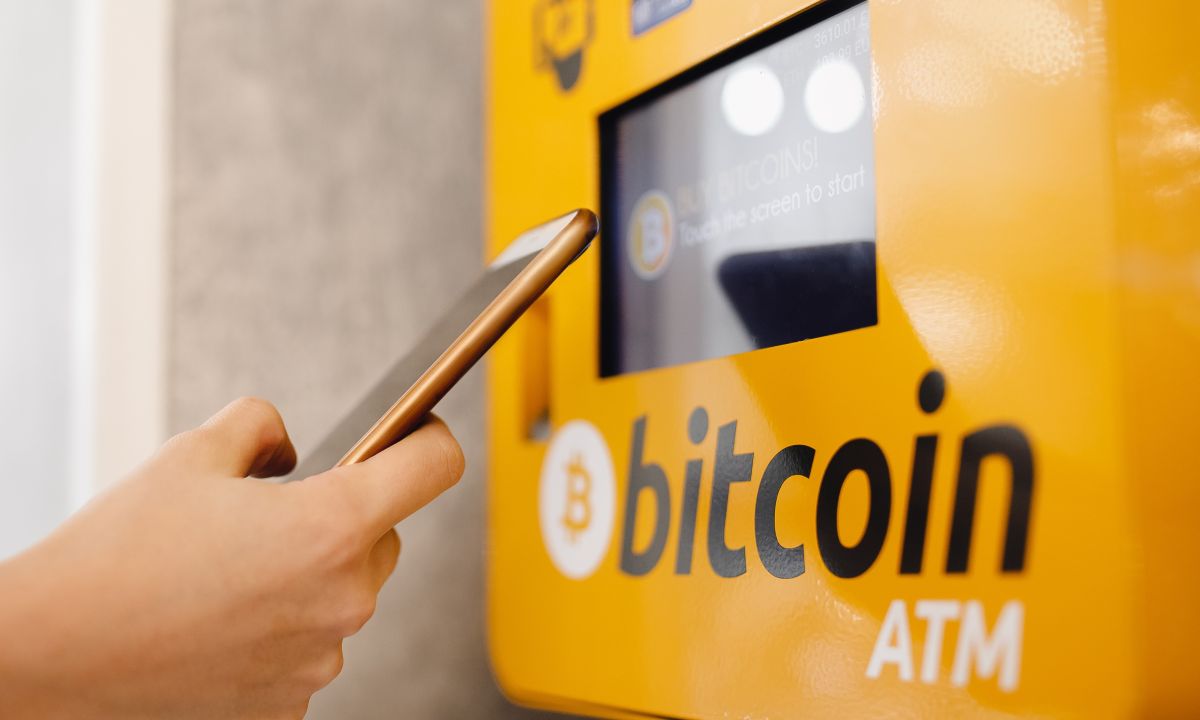
The rise in cryptocurrency-related fraud cases is leading a push to ban crypto ATMs.
That’s according to a report Saturday (Jan. 10) by CNBC, which focuses on efforts by police and lawmakers in the city of Spokane, where Detective Tim Schwering began noticing an increase in crypto crime in 2023.
“Cases started flowing my way where people were getting ripped off by cryptocurrency machines,” Schwering said. The money would find its way to China, Russia, Nigeria and other far-off outposts. “You couldn’t get to anyone or get the money back.”
He added that some people lost their life’s savings — one victim was robbed of $900,000 — with two of them taking their own lives. With law enforcement limited by the fact that criminals are typically overseas, Spokane turned its attention to instituting a ban on crypto ATMs, which went into effect in June and is among the first laws of its kind in the country.
Paul Dillon, the city councilman who championed the ban, said he’s hopeful the state Legislature will follow suit, thus preventing crypto ATM operators from simply moving the machines to nearby communities.
According to the report, Arizona, Arkansas and Vermont are all strengthening their laws or weighing new limits on crypto ATMs. And some cities, such as St. Paul, are considering bans along the lines of Spokane’s.
Advertisement: Scroll to Continue
However, crypto industry experts contend that bans won’t eliminate fraud, and could harm consumers, the report added.
“Eliminating them may reduce certain fraud vectors, but it also removes one of the last public-access tools for financial privacy and cash-to-crypto conversion,” Alex Davis, founder and CEO of blockchain company Mavryk, told CNBC.
“The question isn’t whether crypto ATMs should exist; it’s whether society is comfortable with a future where every dollar must pass through a fully surveilled, fully permissioned gatekeeper.”
Data from the FBI released last month showed that scams involving bitcoin ATMs took $333.5 million from Americans between January and the end of November 2025, up from about $250 million the year before.
Fraudulent transactions using cryptocurrency kiosks have seen a “clear and constant rise,” an FBI spokesperson told ABC News in late December.
The FBI says bitcoin ATMs have become attractive to fraudsters as these machines, found at 45,000 locations around the country, let users insert cash and send it to any digital wallet, and provide a payment method that makes the funds almost impossible to recover.