

This post was originally published on this site.
Congress Aims to Turbocharge the U.S. Development Finance Corporation
The agency will be empowered to issue hundreds of billions of dollars in new loans to foreign countries.
After months of negotiations, Congress is on the verge of passing legislation that would reauthorize a key U.S. global infrastructure finance agency while turbocharging its lending authorities, including in certain circumstances to wealthy countries.
The Senate is expected this week to clear the $900 billion annual defense authorization measure after the House passed the legislation last week. The sprawling bill contains a section that would modernize the U.S. Development Finance Corporation (DFC) and extend its authorization through 2031 while increasing the agency’s maximum lending cap from the current ceiling of $60 billion to $205 billion.
After months of negotiations, Congress is on the verge of passing legislation that would reauthorize a key U.S. global infrastructure finance agency while turbocharging its lending authorities, including in certain circumstances to wealthy countries.
The Senate is expected this week to clear the $900 billion annual defense authorization measure after the House passed the legislation last week. The sprawling bill contains a section that would modernize the U.S. Development Finance Corporation (DFC) and extend its authorization through 2031 while increasing the agency’s maximum lending cap from the current ceiling of $60 billion to $205 billion.
The final product represents multiple compromises struck between Republicans representing White House wishes to lift congressionally imposed restrictions included in the first iteration of the DFC and a bipartisan coalition of lawmakers, particularly in the Senate, who wanted the development agency to maintain its lending focus on less-developed countries.
“At the end of the day, neither side got everything they wanted for this, but it worked out and that’s the way Congress is supposed to work,” said House Rep. Ami Bera, the top Democratic lawmaker on the House Foreign Affairs subcommittee that oversees the DFC. “It was a good negotiation.”
The legislation for the first time will permit the DFC to invest in wealthy countries, but with limitations. Those restrictions include financing no more than 25 percent of the total cost of a project in a high-income country. And lending to high-income countries is not allowed to ever comprise more than 10 percent of the DFC’s total loan portfolio. It would also limit loans for infrastructure projects in wealthy countries to the following areas: energy; critical minerals and rare earths; and information and communications technology such as undersea cables.
“We’ve always wanted to put [the DFC] on steroids, so to speak, and now I think we’ve accomplished that,” said Republican Rep. Michael McCaul, a former chair of the House Foreign Affairs Committee who led a previous effort to reauthorize the DFC during the Biden administration. “The equity has been raised to a very high level now so the DFC can do its important work. We’re pulling back in other areas of soft diplomatic power, so the DFC is going to be that much more important.”
The foreign loan agency was created with broad bipartisan support during the first Trump administration with two principal objectives: fostering sustainable economic growth in low-income and middle-income countries and offering an alternative to the soft power Beijing was acquiring through its Belt and Road Initiative.
The fiscal 2026 National Defense Authorization Act (NDAA) also includes multiple State Department-related provisions, similar to prior years.
As the State Department for decades has lacked the political capital on Capitol Hill to grant it limited floor time for its own annual authorization bill, it has become customary for diplomatic and other soft power-related provisions to catch a ride on the must-pass yearly defense policy bill.
This year’s bill includes the noncontroversial aspects of Republican House Foreign Affairs Committee Chairman Brian Mast’s effort to reauthorize the State Department. Those include provisions dealing with the department’s management structure, consular affairs, human resources, and political affairs sections.
Mast, who is in his first year as chairman, set himself the ambitious task at the beginning of the year of accomplishing what hadn’t been done since 2002: passing a full State Department reauthorization bill.
Ultimately, deep disagreements with House Democrats—particularly around Mast’s push to codify the controversial changes unilaterally introduced by President Donald Trump to the U.S. foreign-policy apparatus, such as the shutdown of the U.S. Agency for International Development—meant the majority of department authorization bills approved by the House Foreign Affairs Committee this fall lacked bipartisan support and were not given a floor vote in the House.
Without significant Democratic support for the State Department reauthorization effort in the House, Mast’s project was viewed as doomed in the Senate, where almost all legislation requires significant bipartisan support to overcome the filibuster.
Mast’s office pointed to the bill’s codification for the first time of the department’s regional assistant secretaries as an important achievement.
The chairman indicated this year’s reauthorization attempt was a learning experience that he would build on next year.
“Do I wish that we could get the Senate to do State Auth like they do NDAA? Yes. We’re not there yet,” said Mast, adding the whole process did end up showing the Senate that there was a political willingness in the House to return to the 20th-century practice of annual State Department authorizations.
This post is part of FP’s ongoing coverage of the Trump administration. Follow along here.
Rachel Oswald is a staff writer at Foreign Policy.
Read More
-

Rep. Brian Mast turns his head to listen as Rep. Gregory Meeks speaks during a Capitol Hill hearing. Should U.S. Development Loans Go to Rich Countries?
The U.S. Development Finance Corporation was created to help alleviate global poverty. Trump has other ideas.
-

A local farmer shows her produce in Nakapiripirit, Uganda on July 22. Fixing Foreign Aid Requires Confronting Fundamental Tensions
Aid critics ignore competing policy goals and structural trade-offs between control and flexibility.
-

A man is silhouetted from behind in front of a bright window as he walks down a dark, empty hallway. The Trump Administration’s Epochal Shift on Foreign Aid
The change to funding governments instead of NGOs is long overdue but could easily go wrong.
Stories Readers Liked
-
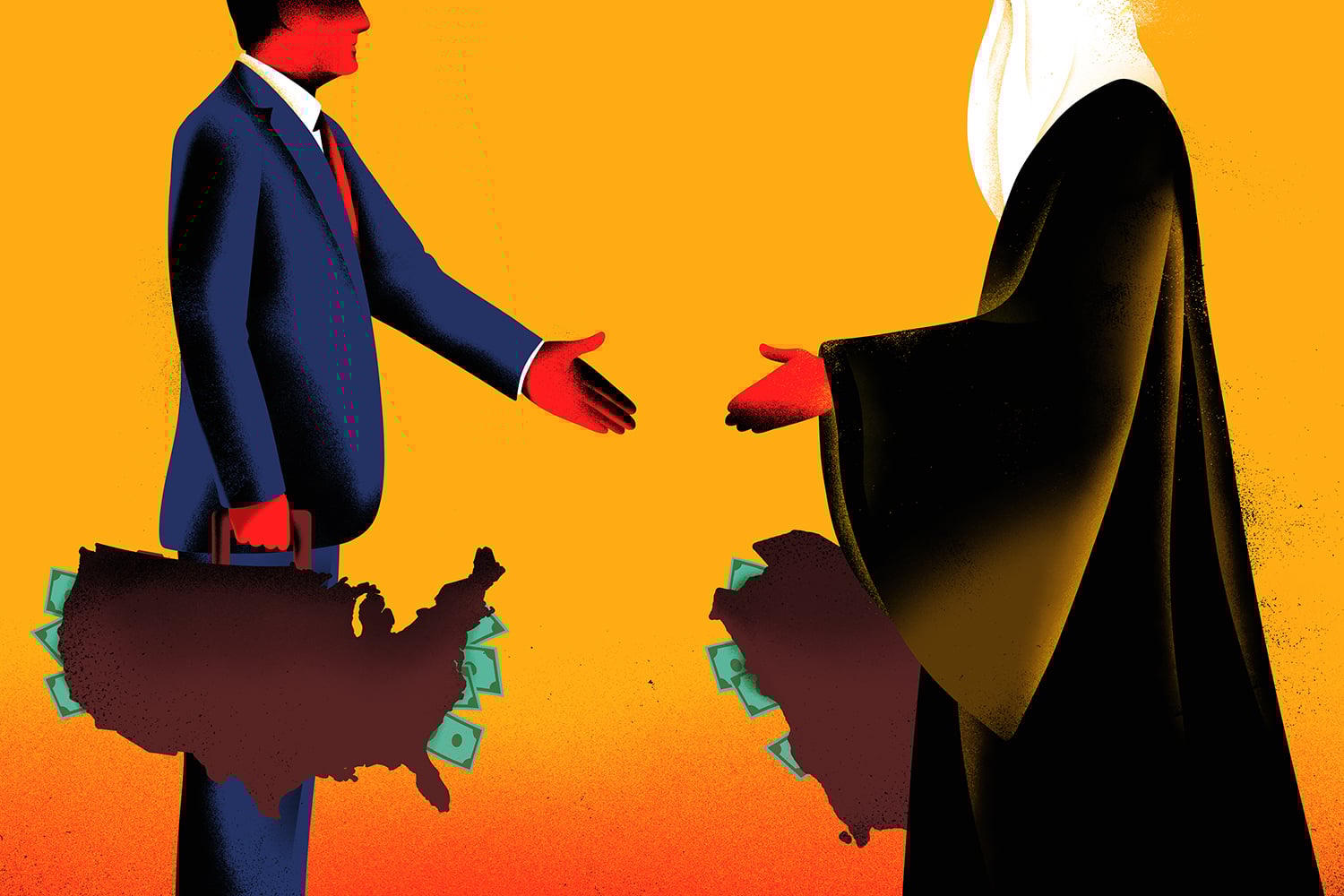
An illustration shows two men against a bright yellow background. One man wears a Western-style business suit and the other wears a black robe and white head covering. The men are shaking hands. Each holds a briefcase with money spilling out, the left man’s briefcase shaped like the United States’ and the right man’s like the Arabian Peninsula. -
Joe Biden, in silhouette, walks up stairs to board a plane, with ominous dark clouds in the background. -

U.S. Defense Secretary Pete Hegseth and Vietnamese Defense Minister Phan Van Giang shake hands at the Defense Ministry’s headquarters in Hanoi, Vietnam, on Nov. 2. -
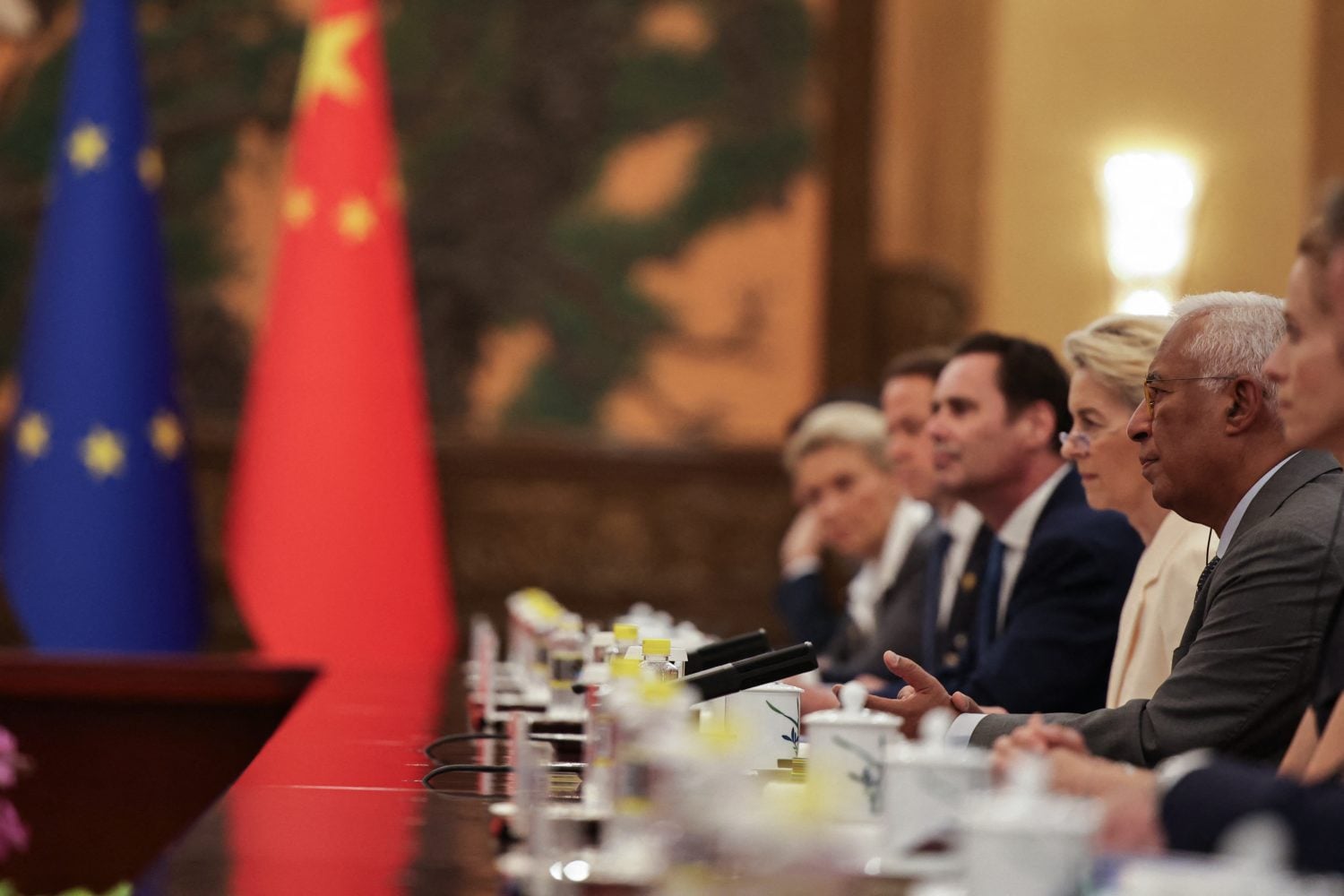
Von der Leyen and EU officials listen to Chinese President Xi Jinping in Beijing -
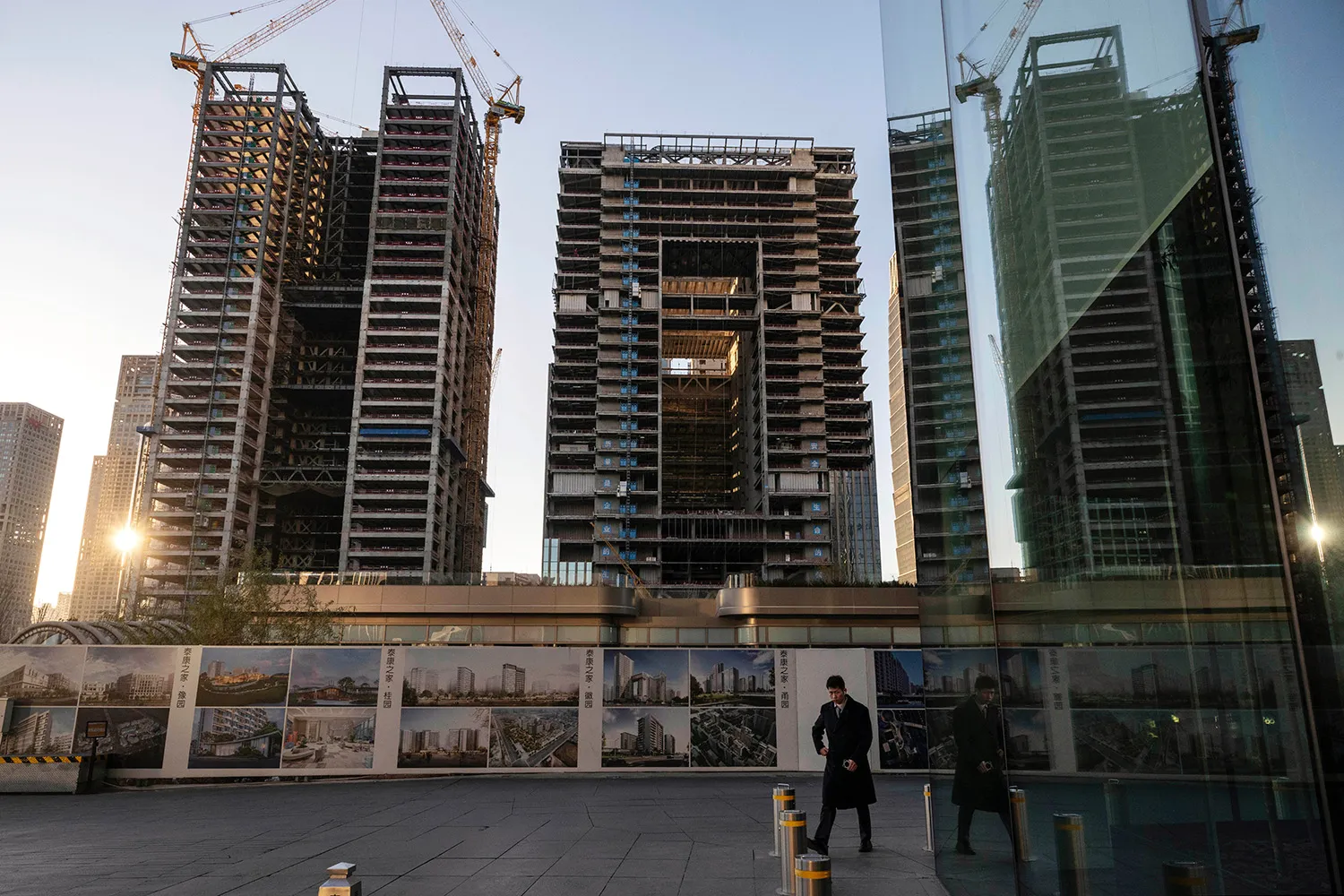
A man in a coat outside of a glass office building, with high rise buildings under construction in the background. -
An illustration shows the seal of the United Nations with a shadow across it. Laurel leaves fall onto the ground from the seal as a person sweeps them up. -

us-restraint-realism-europe-military-withdrawal-mark-harris-illustration -

A silhouetted figure with a military hat is seen in front of a high red wall at night. -
An illustration shows the back of a person wearing a graduation cap with a globe motif on it. A hand reaches in to move a locator pin on the top of the cap/map. -
Photos of two men speaking each shown as a negative color inside a red and blue circle.

Trump’s National Security Strategy
What the 2025 National Security Strategy Means for Asia
The MAGA revolution in U.S. foreign policy brings good news and bad.
-
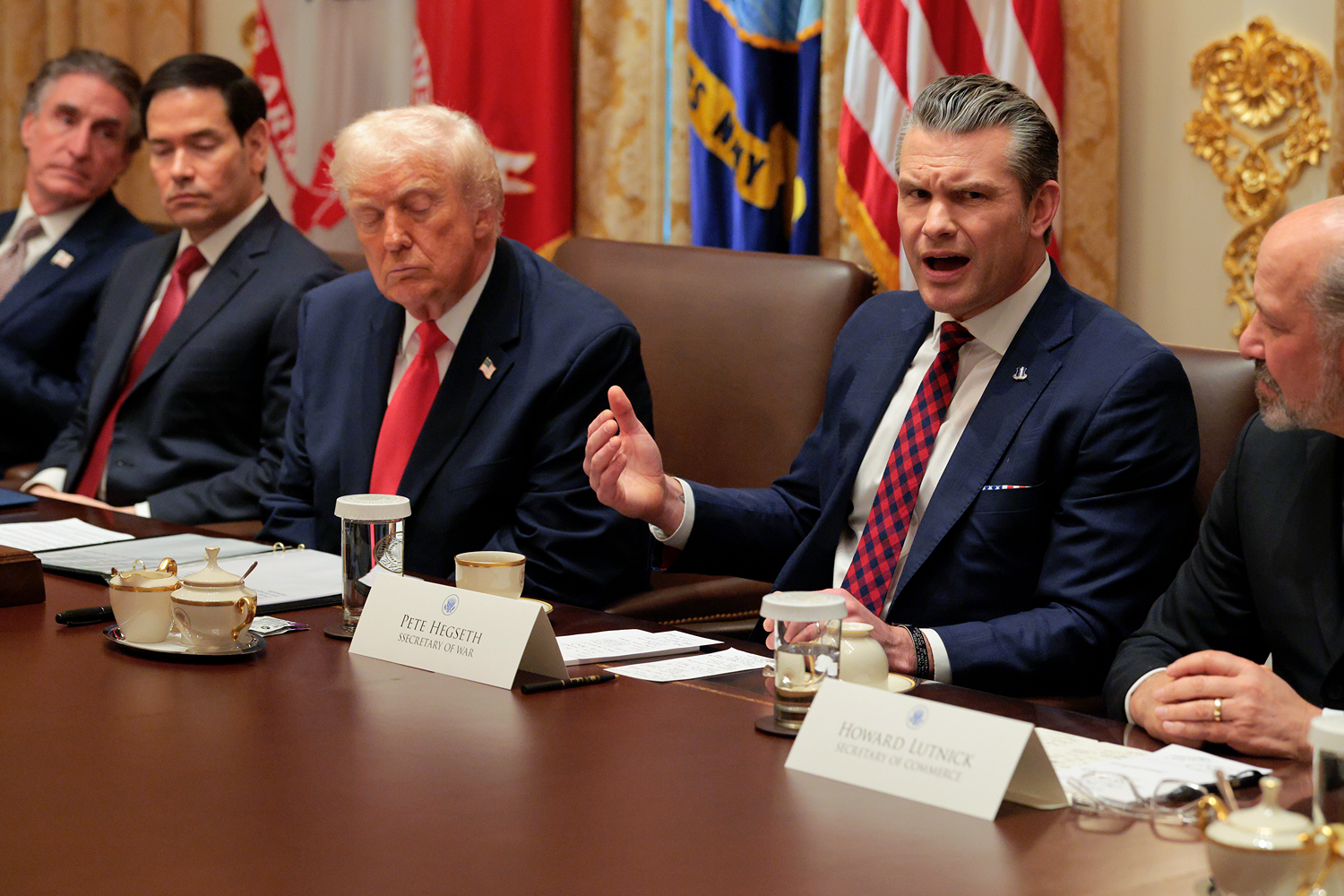
Trump, Hegseth, Rubio, and other officials sit at a table with papers and namecards in front of them. Hegseth has one hand raised and his mouth open as he speaks. Beside him, Trump is blinking and frowning. -
A banner showing an image of U.S. President Donald Trump is seen behind a U.S. flag outside a U.S. Department of Agriculture building in Washington. -
Ursula von der Leyen in Riga, Latvia
Join the Conversation
Commenting is a benefit of a Foreign Policy subscription.
Subscribe
Subscribe
Already a subscriber?
.
View Comments
Join the Conversation
Join the conversation on this and other recent Foreign Policy articles when you subscribe now.
Subscribe
Subscribe
Not your account?
View Comments
Join the Conversation
Please follow our comment guidelines, stay on topic, and be civil, courteous, and respectful of others’ beliefs.
View Comments
Change your username |
Log out
Change your username:
CANCEL
Confirm your username to get started.
The default username below has been generated using the first name and last initial on your FP subscriber account. Usernames may be updated at any time and must not contain inappropriate or offensive language.