
This post was originally published on this site.
In the digital marketplace, trust is one of the most valuable currencies. As consumers increasingly rely on online platforms for daily purchases, they expect transparency, security, and fairness at every stage — from product authenticity to payment transactions. However, eCommerce systems often struggle with issues such as data breaches, counterfeit goods, hidden supply chain processes, and lack of verifiable transactions. These challenges have pushed businesses to seek transformative technologies capable of solving long-standing pain points. This is where blockchain steps in.
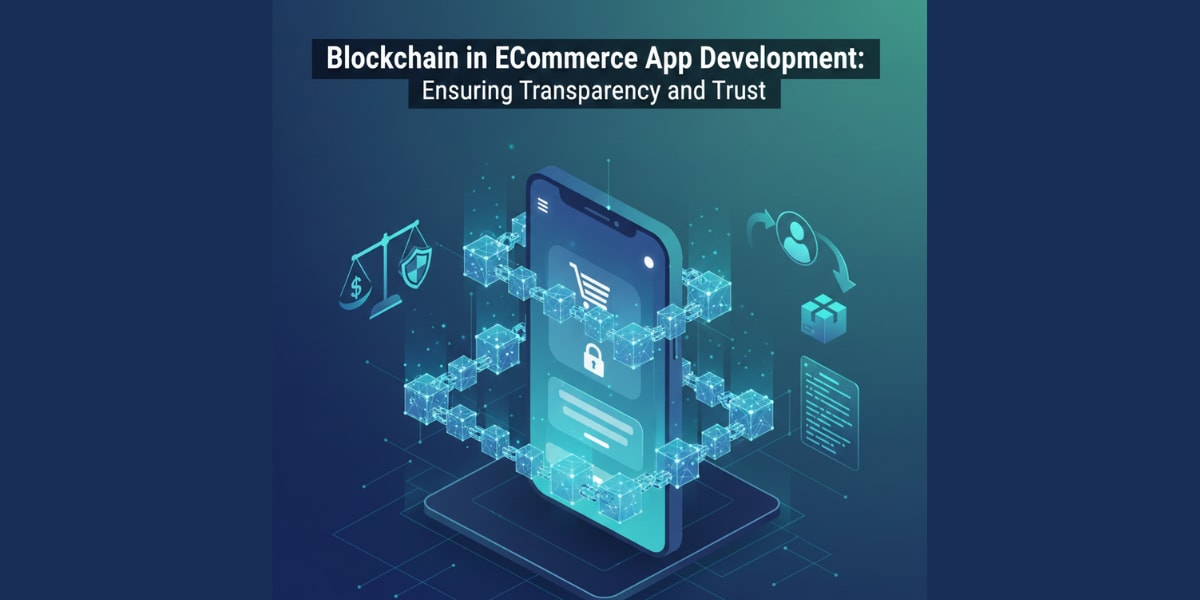
Blockchain technology has rapidly evolved from its association with cryptocurrencies into a powerful structure for enabling secure, decentralized, and immutable digital operations. In eCommerce, blockchain is more than a trend — it is a fundamental shift toward building user trust by ensuring verifiable, transparent, and tamper-proof processes. The combination of blockchain and online retail is revolutionizing how companies track products, handle payments, safeguard data, and maintain customer relationships.
In the realm of eCommerce App Development, blockchain introduces capabilities that transform applications from traditional digital storefronts into intelligent, secure, and self-governing platforms. Its ability to record and verify data without reliance on centralized authorities enhances consumer confidence and protects businesses from fraud. With growing adoption across industries, blockchain is emerging as a critical competitive differentiator for eCommerce businesses aiming for long-term resilience and user loyalty.
1. Strengthening Security Through Decentralization
Security remains one of the top concerns for eCommerce businesses. Traditional eCommerce platforms rely on centralized databases that are vulnerable to hacking attempts. When a central server is compromised, vast amounts of customer information — including payment details and personal data — can be exposed. Blockchain counters this threat through decentralization.
Instead of storing data in a single location, blockchain distributes information across multiple nodes. Each entry is cryptographically secured, time-stamped, and linked to a previous block, making it nearly impossible to alter or manipulate. This immutable structure significantly reduces the risk of data breaches, identity theft, and fraudulent activities. Customers gain peace of mind knowing their sensitive information is protected by one of the most robust security frameworks available today.
2. Enhancing Supply Chain Transparency
One of the biggest pain points in eCommerce is the lack of end-to-end visibility in supply chains. Consumers frequently question whether products are authentic, ethically sourced, or handled properly during shipping. On the business side, companies struggle with counterfeit products, unverified suppliers, and inaccurate inventory tracking.
Blockchain allows every step of a product’s journey — from raw material sourcing to final delivery — to be recorded on an immutable ledger. Each stakeholder adds verifiable information that cannot be altered. This transparency boosts customer confidence and helps brands reinforce their integrity. Real-time tracking also minimizes errors, reduces product loss, and helps resolve disputes quickly.
3. Streamlining Payments and Reducing Transaction Fees
Payment processing in eCommerce often involves multiple intermediaries — banks, payment gateways, and third-party processors. These layers introduce delays, additional fees, and vulnerabilities. Blockchain-based payments simplify the process by allowing direct peer-to-peer transactions with minimal involvement from external parties.
Blockchain enables fast and secure transactions across borders without the need for currency conversions or high processing charges. Smart contracts can automate payments once predefined conditions are met, reducing manual effort and eliminating disputes. As digital wallets and cryptocurrencies gain wider acceptance, eCommerce businesses are positioned to deliver faster, more cost-effective checkout experiences.
Some mid-sized retailers partner with an ecommerce app development company to integrate blockchain wallets, token-based reward systems, and on-chain verification processes directly into their mobile apps and web platforms. This integration not only modernizes payment flows but also creates smoother, more trusted user experiences.
4. Eliminating Counterfeit Products
Counterfeit products cost global industries billions every year and severely damage customer trust. Blockchain combats this issue by enabling product authentication at every step of the supply chain. Each item can be assigned a unique digital identity stored on the blockchain. Customers can verify the authenticity of products by simply scanning a QR code or using a dedicated mobile application.
Brands can also maintain a transparent chain of custody that validates supplier credibility and adherence to quality standards. This helps businesses differentiate themselves in competitive markets and ensures that customers receive genuine products.
5. Enabling Smart Contracts for Automated Operations
Smart contracts are self-executing agreements stored on the blockchain. They automatically perform actions when predefined conditions are met — such as releasing payments, updating inventory, or triggering refunds. These automated processes reduce the need for manual oversight and ensure fair execution without human bias or interference.
In eCommerce, smart contracts can automate vendor agreements, affiliate marketing payouts, return processes, and loyalty program management. Their tamper-proof nature ensures transparency and prevents disputes. For businesses, this leads to more efficient operations and reduced administrative overhead.
6. Building Trust With Immutable Customer Reviews
Customer reviews play a critical role in influencing buying decisions, yet fake reviews remain a major problem in eCommerce. Blockchain helps tackle this challenge by ensuring that reviews reflect verified purchases and authentic interactions. Once a review is recorded on the blockchain, it cannot be altered or deleted, ensuring transparency and reliability.
This fosters greater trust between customers and brands and ensures that product ratings remain accurate and unmanipulated. Authentic feedback also helps businesses make better decisions regarding product development and customer service improvements.
7. Improving Loyalty and Reward Programs
Traditional loyalty systems often face issues such as expired rewards, limited redemption options, and inconsistent tracking. Blockchain introduces the concept of tokenized loyalty rewards that customers can redeem across multiple partner platforms. These rewards can be securely stored, transferred, or spent without complications.
Token-based systems provide more value to customers and encourage repeat purchases. For businesses, blockchain ensures transparent tracking of points and prevents fraud or misuse of loyalty credits.
Conclusion
Blockchain is reshaping the future of eCommerce through enhanced transparency, stronger security, and tamper-proof processes. By enabling better supply chain visibility, reducing fraud, and streamlining payments, blockchain builds trust at a structural level. As online shoppers continue demanding more clarity and reliability, businesses that adopt blockchain-driven systems will gain a significant competitive advantage.
Forward-thinking retailers, platforms, and service providers are exploring new ways to integrate blockchain into their digital ecosystem — from smart contracts and decentralized payments to product authentication and immutable customer reviews. As the eCommerce industry evolves, blockchain stands as a foundational technology that ensures long-term trust, operational efficiency, and uncompromising transparency.
Companies across all sectors are recognizing blockchain development company power to transform how they build and operate digital commerce solutions. For businesses seeking to innovate, enhance user confidence, and future-proof their digital platforms, this is the right moment to invest in blockchain-powered strategies that align with modern consumer expectations and long-term sustainability.