

This post was originally published on this site.
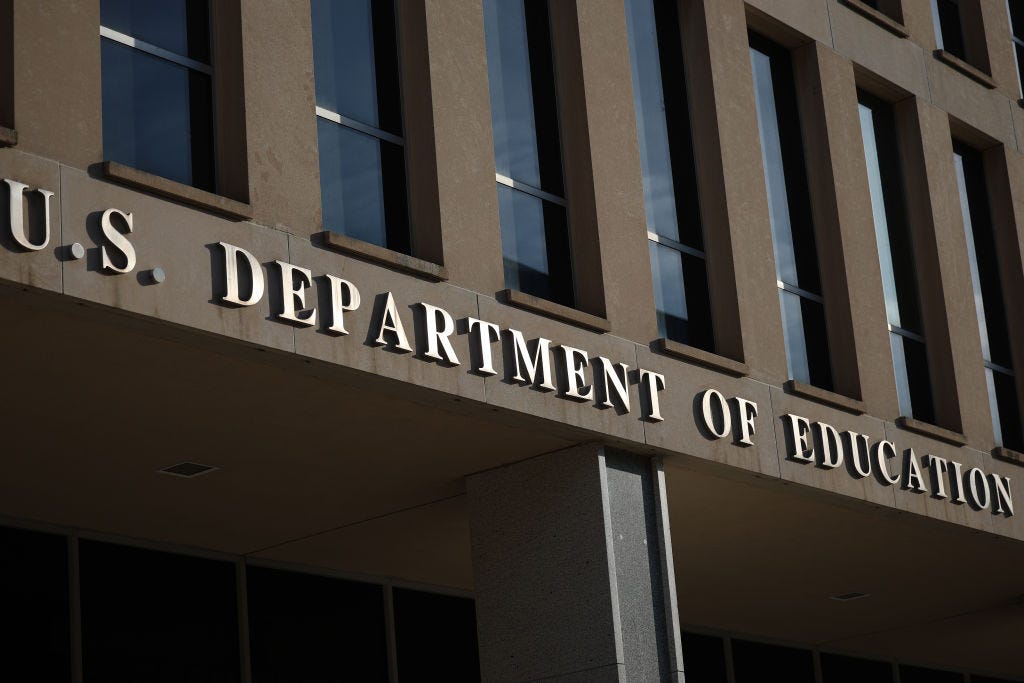

What we know about student loans and the Education Department
Will Education Department restructuring affect your student loans? Here’s what we know know.
Big changes are on the horizon for federal financial aid and the college students who rely on it.
When Congress passed the One Big Beautiful Bill Act last summer, included among the extended tax breaks and an increase on some universities’ endowment taxes was a slate of new provisions aimed at the federal student aid system. The changes could result in billions of dollars less in spending on student loans.
Between new limits on how much graduate students can borrow in federal student loans to a consolidation of repayment plan options, college students and their families will have to navigate a still-uncertain landscape this year. That’s because some of the changes, though approved by law, are still being hashed out by the U.S. Department of Education. Since November, Education Department officials have been negotiating the terms of these policies with a panel of experts. Those terms will be finalized early this year.
“There is so much coming and so many changes that we don’t know yet just how widely they will impact people,” said Michele Zampini, associate vice president of federal policy and advocacy at The Institute for College Access & Success.
The new policies will officially go into effect on July 1. Here’s a look at some of the biggest changes those entering college this fall and those beginning repayment on their student loans will face in 2026.
New limits on borrowing
The biggest policy change is that the Education Department will put new limits on the amount of money that some borrowers can receive from the government.
For undergraduate students, Jill Desjean — director of policy analysis with the National Association of Student Financial Aid Administrators — said there’s good news and bad news. The good news is that their loan limits haven’t changed. The bad news is that what is changing could greatly affect students attending higher-cost schools.
That’s because the new law did change how much parents and caregivers can borrow to support their undergraduate students’ education. Previously, parents could use a Parent Plus loan to finance the whole cost of their child’s attendance once other student aid was exhausted.
But under the new law, Parent Plus loans are capped at $20,000 a year, or a lifetime total of $65,000 per student. Desjeans said those already enrolled in the program are exempt from the caps for three years and the annual limits only apply to new borrowers.
Researchers at the Urban Institute estimate that a relatively small portion of borrowers — just 2% of students overall — will be affected by the limits. But among those who do use Parent Plus loans, about a third of borrowers will likely be affected by the annual cap.
Higher-income families are more likely to borrow at levels above the new loan limits. In 2020, more than half of parent borrowers with household incomes above $200,000 per year borrowed above the new Parent Plus limit. Only 18% of borrowers from families making $50,000 or less would exceed the new limit.
Graduate students, however, will face greater changes in how much money they can borrow from the government for college, Zampini said.
The Grad Plus program — a program similar to Parent Plus that let graduate students borrow up to their full cost of attendance — will end on July 1, though students already enrolled can continue for up to three years.
In addition, students pursuing master’s degrees will have a borrowing limit of $20,500 a year and $100,000 over a lifetime. Those working toward a professional degree — now limited to 11 specific degree paths — will have a higher annual limit of $50,000 and $200,000 in total in federal loans.
Experts estimate a significant portion of students pursuing master’s degrees will be affected by the new limits. A recent analysis by the Federal Reserve Bank of Philadelphia found that a third of graduate students with federal loans borrowed beyond the new limits. Students pursuing professional degrees in medicine and law will be most affected, according to the study.
In all, a student will now have a combined lifetime maximum borrowing limit of $257,500 for undergraduate and graduate school federal loans. For programs that exceed that limit, students will have to pay the rest out of pocket or turn to private lenders.
Proponents of the borrowing limits say they put the onus of lowering student debt back on colleges and universities to lower tuition costs. Zampini said while it’s possible that some schools might respond, there’s been no indication that will happen.
“We might see some students making the choice between not enrolling altogether or going to private banks and lenders,” she said. “We’re still not sure what will happen.”
Pell Grant eligibility
Though there were many proposed cuts to Pell Grant eligibility in the One Big Beautiful Bill Act, Desjean said there were relatively few changes actually made to the largest federal grant program for low- and middle-income students. Those that did go through, however, are significant.
The biggest change is the introduction of what’s been dubbed “Workforce Pell.” This policy will expand the grant program to include students enrolling in career training programs ranging from eight to 15 weeks in duration. Those programs — typically offered at community and technical colleges and traditionally considered too short for Pell eligibility — must provide at least 600 hours of instruction.
Zampini said there are protections written into the law to defend students against predatory programs, but states will have a lot of power to safeguard Workforce Pell Grants.
Another change address who is eligible for Pell Grants. Anyone who receives a scholarship large enough to cover the full cost of attendance, like some student athletes, will no longer be eligible for Pell. Desjean said Pell still is considered “first dollar,” however, meaning students enrolled in programs like the Columbus Promise wouldn’t be affected.
Students will also be ineligible for Pell if their families have a lot of assets but appear to earn little income on a Student Aid Index calculation. Desjean said these grantees, known as “Pellionaires,” are an extremely small subset of students that never should have been eligible in the first place.
Fewer repayment plan options
The current number of student loan repayment options varies depending on who you ask, Desjean said. Some say seven, others say its in the teens.
New borrowers and those who will start repaying their loans after July 1 will now have just two options.
The first is a standard plan that stretches payments between 10 to 25 years. Instead of the typical 10-year repayment period, the loan term now depends on the original amount borrowed. For example, someone who borrowed less than $25,000 will have a 10-year loan term, but another who borrowed more than $100,000 will repay for up to 25 years.
The other is an income-driven repayment plan, called the Repayment Assistance Plan. Payments through that program will be based on the borrower’s total adjusted gross income and range from 1% to 10% depending on earnings.
There are two big changes for borrowers using the new income-driven repayment plan. The first is that borrowers will have to make a minimum monthly payment of $10, instead of the previously allowed zero-dollar payment for those with low incomes. The new plan also extends the loan term to 30 years instead of forgiving the borrower’s balance after 20 to 25 years.
Current borrowers who don’t take out new loans after July 1 can stay in their plan until July 1 , 2028.
On top of the repayment plan consolidations, Zampini said the Biden-era Saving on a Valuable Education Plan, better known as SAVE, is officially ending. Under a proposed settlement agreement announced in December, the Education Department said it would move the approximately 7 million borrowers still enrolled in SAVE into other repayment plans.
But Zampini said those borrowers are currently in “a weird limbo period” between now and July 1 because it’s currently unclear when SAVE will officially end. So borrowers who may have to switch repayment plans a couple of times over the next few months, which could create a bureaucratic pile-up.
“I’m hoping that the department doesn’t make borrowers move out of SAVE before the new IDR is set up,” she said. “It could create a lot of backlogs.”
Higher education reporter Sheridan Hendrix can be reached at shendrix@dispatch.com and on Signal at @sheridan.120. You can follow her on Instagram at @sheridanwrites.