
This post was originally published on this site.
QUINCY, Mich. — Police call it a scam that can happen to anyone, and it already has.
A woman in Branch County was told she failed to show up for jury duty, and could face arrest if she didn’t do exactly what was asked of her.
Erin Gilbert runs a non-profit animal shelter out of her home in Quincy.
“I don’t even know how to describe it,” she said. “It was like an out-of-body experience.”
Gilbert calls it three hours of terror and intimidation.
She picked up her phone to see a call identified as ‘private number’ on her phone.
The person on the other end said they were from the FBI, and that she did not appear for jury duty for a federal murder trial.
She was told there was a warrant for her arrest.
Gilbert was then emailed documents with her name and a false case number, telling her to pay thousands of dollars to pay a percentage of her supposed bond.
“At first I thought, ‘this is not right,”‘ she said. “‘This is a joke, right?'”
Gilbert heard police scanner noise and chatter in the background, and said they had an answer to every test she gave them.
“If I started questioning, they would be like, ‘ma’am, if you’re going to be combative with us, we’re just going to send it back to the judge.'”
She was directed to withdraw money from the bank, and take it to a Bitcoin kiosk at a gas station near Coldwater.
Gilbert told News Channel 3 she realized the scheme when she saw a scam warning sticker on the kiosk, but by then, it was too late.
On its Consumer Advice page, the Federal Trade Commission calls it a new twist on an old fraud tactic, where victims are asked to pay with cryptocurrency rather than gift cards or a payment app.
“Now that I look back and I see all these different things that I could have done, like hang up the phone or whatever, I feel like, ‘why didn’t I do that?'” she said.
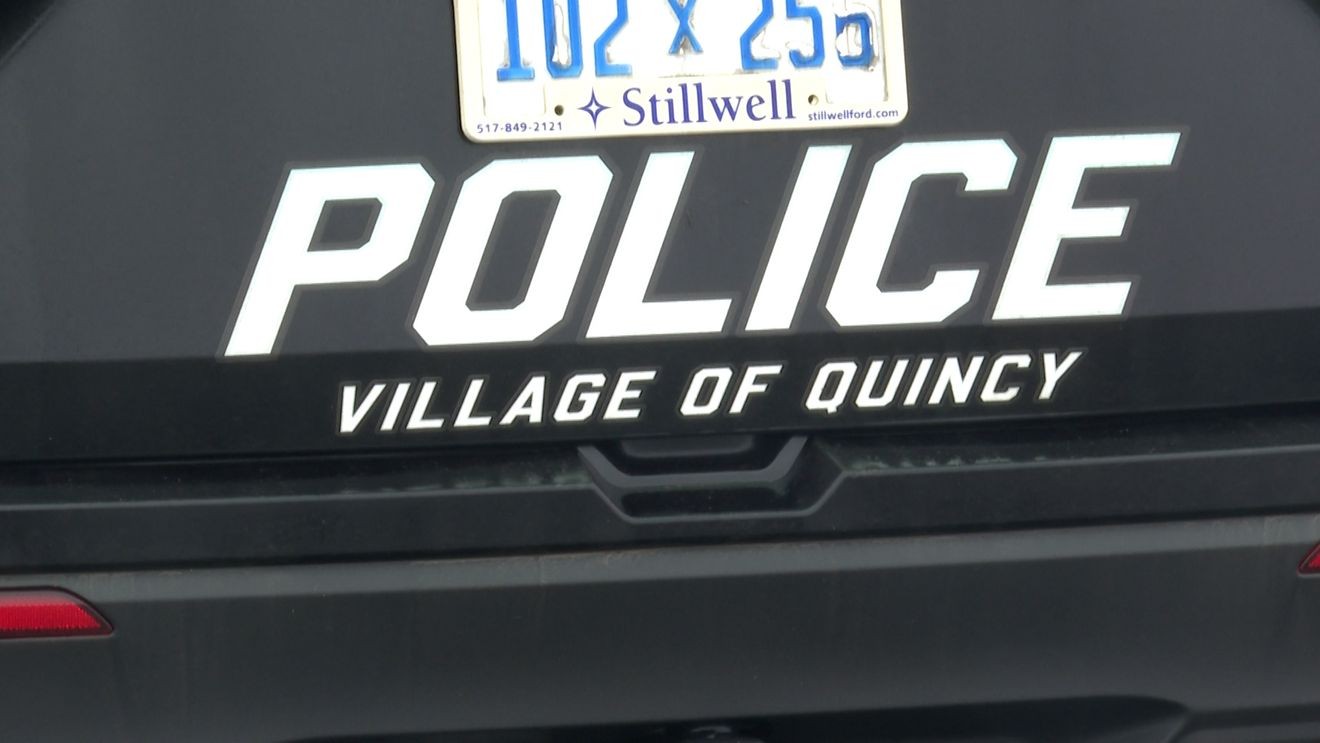
Gilbert then went to Quincy Police Chief Dalton Turmell, who will be handling the case along with two Michigan State Police Crypto Unit detectives.
Turmell says no law enforcement agency will ever call someone about a serious matter or ask for money.
“If you have a warrant for your arrest, we will not tell you about it in that manner,” he said. “You will not get a phone call. That goes for local law enforcement to state to federal.”
Gilbert still believes it could have been worse, as she’s heard from other people who have lost their homes and identity to similar kinds of fraud.
She says she’s telling her story so that it puts a face on the people these scammers hurt.
“I’m not gullible, I’m not stupid. I’m human,” she said. “And I really thought it was real.”
Turmell says the best way to stop scammers is to not give them the benefit of the doubt.
You can let calls go to voicemail or just hang up if something is off, then call the police immediately afterward.