
This post was originally published on this site.
Battles fanned out across the Thai-Cambodian border on Tuesday as the warring neighbors traded accusations of firing into each other’s territory, casting new doubts on a ceasefire that President Donald Trump helped broker in July.
Why It Matters
Trump claimed credit for a ceasefire on July 28 that ended five days of deadly fighting between the neighbors. The renewed clashes are the most serious breaches of the two nations’ peace agreement, a signing that Trump presided over on October 26.
While both countries maintain good relations with the United States and China, Thailand is a major non-NATO ally of the U.S. while China is particularly close to Cambodia, which has offered China access to a naval base in the disputed waters of the South China Sea.
What To Know
Thailand’s navy said Cambodian forces had been detected inside Thai territory in the coastal province of Trat and operations were launched to expel them. It did not provide details.
Cambodia’s defense ministry denied the accusation that its forces had fired first.
“The Thai military initiated the firing upon Cambodia, including firing on Cambodian civilians, resulting in injuries and deaths,” the Cambodian ministry said in a statement.
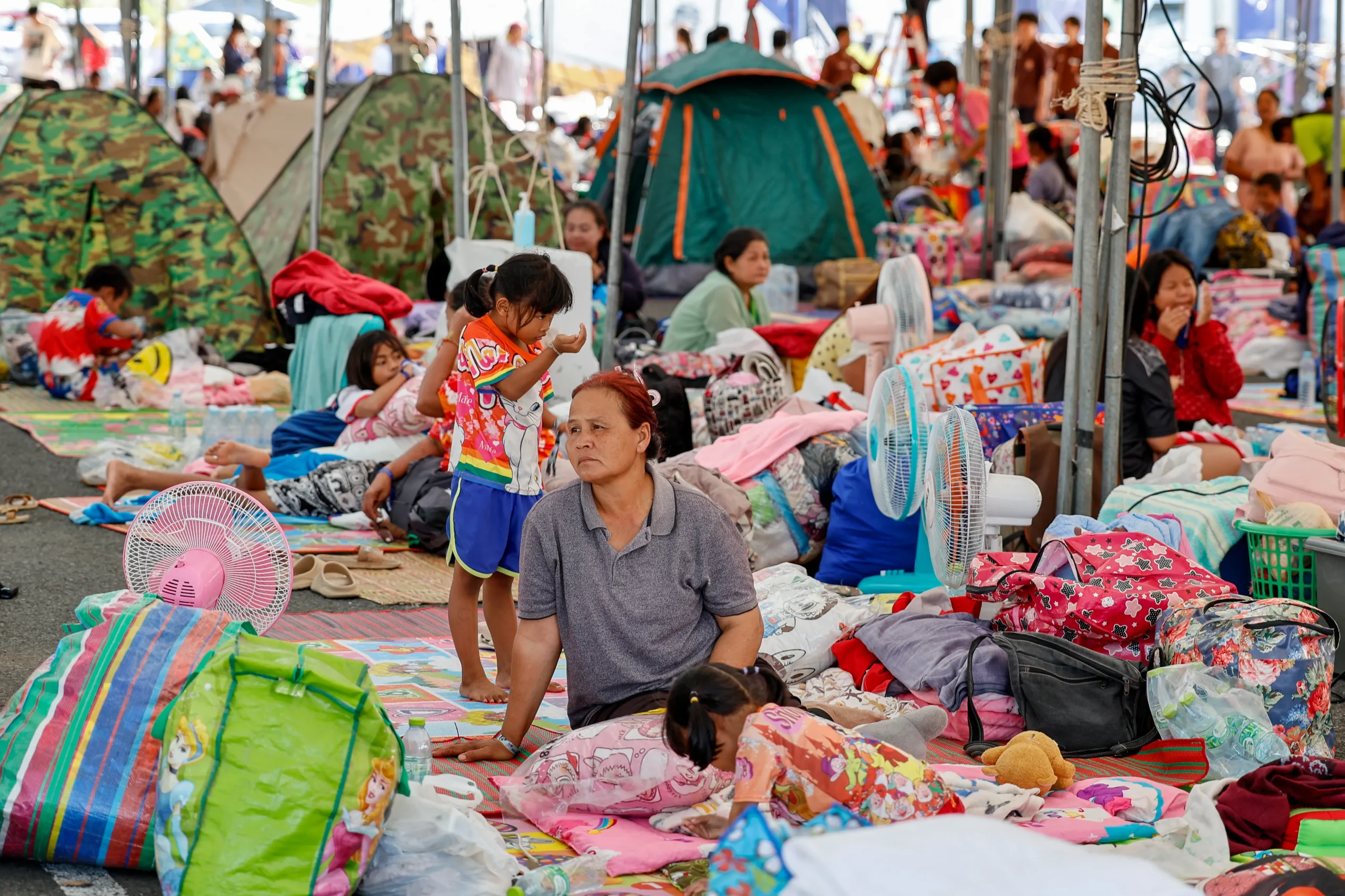
It did not elaborate but Cambodia said four civilians were killed on Monday. Tens of thousands of people have been displaced on both sides.
The Thai military reported Cambodian firing over the border into Thai territory at eight locales along their 500-miles border and reported some damage to at least two homes but no casualties. Cambodia also reported Thai forces firing into Cambodia in several spots.
Thailand launched airstrikes on Cambodian military positions on Monday after a clash the previous day in which one Thai soldier was killed and eight were wounded. The Cambodian Defense Ministry said the Thai assertion that the Cambodian side had started the fighting was false and that its forces were not responding to Thai attacks.
Thai Prime Minister Anutin Charnvirakul has taken a tough stance, ruling out negotiations with Cambodia or a role for Trump or other mediators in restoring the ceasefire. He said Thailand will take whatever military action it deems necessary to protect its sovereignty, while the Thai army’s chief of staff, General Chaiyapruek Duangprapat, said Thai forces aimed to neutralize the threat from the Cambodian military. He did not elaborate.
The long-standing dispute between the countries over their border, largely mapped by France when it ruled Cambodia, was reignited in May after an exchange of gunfire that killed a Cambodian soldier. This escalated into clashes in July before talks in Malaysia led to a ceasefire, for which Trump claimed credit, after he had threatened to impose heavier sanctions on both nations.
Thailand, with a population of some 70 million compared with Cambodia’s 17 million, has a much bigger economy and military than that of its neighbor. Thailand regularly conducts military exercises with U.S. forces. Cambodia suspended its exercises with the U.S. military for several years during a period of strained ties but recently announced resumption of the drills.
The U.S. embassy in Thailand urged its citizens to avoid travel within 31 miles of the border. “Both sides continue to report cross-border fire, and conditions remain volatile,” the embassy said.
What People Are Saying
The Thai army, in a statement Tuesday: “We will strictly adhere to international standards and implement all measures to protect the sovereignty and safety of the Thai people, and will respond to any provocations.”
Cambodia’s defense ministry, on Tuesday: “Cambodia calls on Thai side to reinstate ceasefire and joint statement on Cambodia-Thailand Peace Agreement signed on 26 October 2025.”
What Happens Next
The clashes show no sign of easing and neither the United States nor China appear to be pressing the countries to stop fighting.
Update 12/08/25, 10:45 p.m. ET: This article has been updated to include more information.