

This post was originally published on this site.
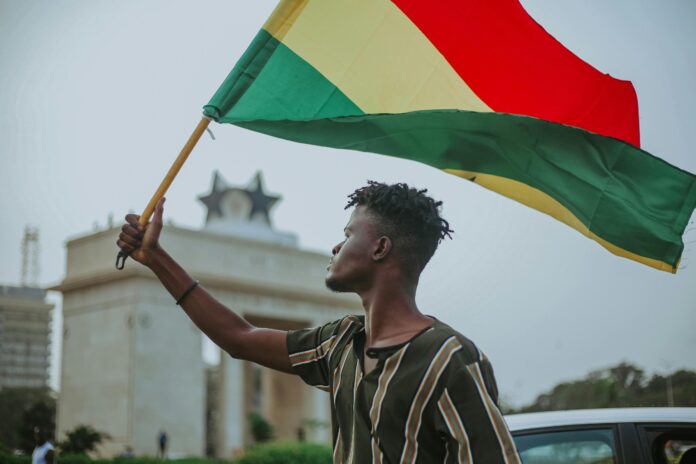
Ghana has legalized the use of cryptocurrency. In 2026, it will begin to roll out a range of products and investment tools, as well as new legislation to oversee them.
The African nation of Ghana has legalized the use of cryptocurrencies and passed laws that suggest its widespread acceptance in its financial institutions is coming. At the end of 2025, the Virtual Asset Service Providers Bill was passed, which set out the regulations that would govern the use of Bitcoin, crypto assets, and rules for those who provide them. It has now come into effect, and 2026 will see further developments.
The Current State of Bitcoin and Crypto Assets
Widespread adoption such as this may help curb the current levels of volatility cryptocurrency, and in particular Bitcoin, is experiencing. Over the past two years, its value has increased exponentially, buoyed by a range of factors. Yet in October, it hit a record high of $124,310 and has begun a gradual decline ever since. The USD to BTC price as of January 7th, 2026, stands at $91,856, after regaining some ground since the start of the year.
The information on Ghana’s new stance came from a Bank of Ghana press release, which has worked with the country’s Securities and Exchange Commission (SEC) to issue regulatory instruments and directives. These will be launched in 2026 and are aiming to create “a safe, transparent, and innovative virtual asset ecosystem.” The bank has noted that it is aiming to prioritise consumer protection and financial stability.
Individuals are now able to trade cryptocurrency legally, whereas before they could face arrest or legal action. Companies that provide these services, such as brokerages and exchanges, must now adhere to a given set of reporting and compliance requirements. All of this is in a bid to combat fraud and money laundering risks. It is also an acknowledgement of widespread crypto adoption rates in the country. Those not following the regulations, or those that are unlicensed, will face sanctions and closure. Existing providers will also be required to register and license, or face closure.
The Governor of the Bank of Ghana, Dr. Johnson Asiama, reiterated the announcement in late December, though the change has only begun to roll out in early 2026. Speaking from the capital Accra, he noted that it would be “within clear, accountable, and well-governed boundaries.” He also added that this will significantly lower the costs for banks, support small to medium-sized businesses, and improve customer experience. He then went on to add that it may even attract investors, fintech firms, and exchanges that had avoided the country in the past due to the threat of legal action.
The Adoption of Cryptocurrency in Africa
The use of cryptocurrency has been widely adopted across the African continent, where it plugs a gap that traditional banking institutions often overlook or fail to service. In Ghana, around 3 million citizens are estimated to have used cryptocurrency at some point. That equates to around 17% of the population. Up until June 2024, this totalled around $3 billion in transactions.
However, legislation is chequered across the continent. The countries with the biggest uptake have been South Africa, Nigeria, Zimbabwe, Kenya, and Ghana. Their legislation tells a very different story. Nigeria has a total ban on its use, while South Africa has quite a progressive, crypto-friendly stance. Other countries like Kenya are totally indifferent and have no laws either for or against its use.
The decentralized nature of cryptocurrency is a great boost in these emerging economies. As it is not tied to a single currency, it is not impacted by inflation and can allow people to protect their income. It is also not bound by international laws and regulations placed by financial institutions, which may have avoided some African countries due to poor financial infrastructure and fraud. This makes it great for cross-border payments, especially when you consider the continent’s large diaspora and high level of remittances.
Broader Market Access Across the Globe
Ghana is not isolated in its adoption of cryptocurrency. Across the globe, countries are becoming increasingly open and have begun incorporating legislation on the use of digital assets and cryptocurrency. Exchange Binance recently noted how Russia’s central bank-backed framework will now formally treat crypto as a currency asset and allow retail participation on regulated platforms. This will include tighter limits for non-qualified investors, while encouraging wider use of domestic digital financial assets and expanding services at major financial firms. This will include Sberbank’s pilot crypto-collateralized loan.
Many countries have also begun to implement the Crypto Asset Reporting Framework, also known as CARF. It was put together by the OECD Global Economic Forum, and aims to provide an information-harvesting service on those who use and trade cryptocurrency and digital assets. In Europe, the DAC8 provides the same function. Both aim to track transactions made by clients, reducing the risk of fraud and tax evasion.
Under this, those who provide services like exchanges and brokerages must report information on their clients to the relevant tax authorities. This can include crypto to fiat exchanges, transfers of crypto assets, and future asset class technology that may emerge. This widespread adoption, be it from Africa to Europe and Russia, signals a long-term future for cryptoproducts that seems interwined with that of traditional financial instruments.