
This post was originally published on this site.
Election year legislation introduced in the Alabama Legislature aims to crack down on cryptocurrency kiosk fraud, a growing scam trend that has cost Alabamians millions of dollars and disproportionately targets seniors.
Rep. Russell Bedsole (R-Alabaster) introduced the Cryptocurrency Kiosk Fraud Prevention Act (House Bill 303) on January 21, which would impose transaction limits, require enhanced disclosures and establish refund mechanisms for certain fraudulent transactions.
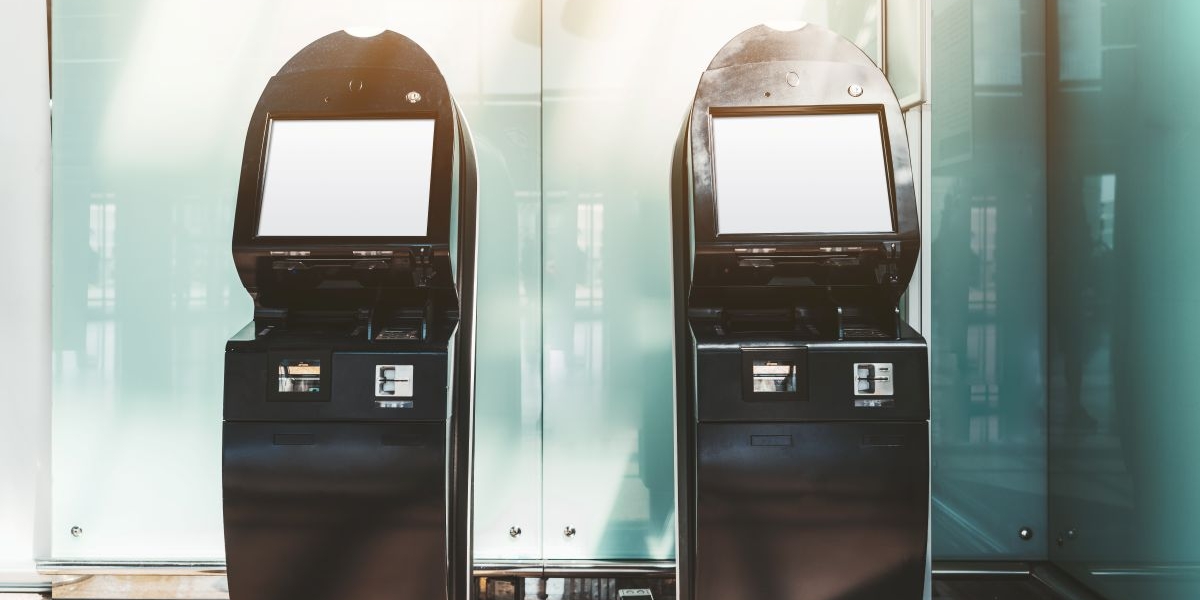
Crypto kiosks, often called crypto ATMs, allow users to convert cash into digital currency that can be transferred instantly and is difficult to recover.
According to the Alabama Securities Commission (ASC), scammers frequently pose as government officials, law enforcement, financial professionals or romantic partners and pressure victims into sending funds under false pretenses.
Recent cases illustrate the scope of the problem. A 73-year-old Huntsville woman conducted 192 cryptocurrency kiosk transactions totaling $335,420 between March and December 2024 after believing she was communicating with a trusted financial technical support team.
Another case involved a 67-year-old retired military service member from Enterprise who lost more than $250,000 in a romance scam.
“These are just two amongst hundreds of examples that occurred in Alabama during 2024 alone,” said ASC Director Amanda Senn. “The numbers are staggering and shocking, and the consequences are always devastating.”
The ASC conducted a review of six cryptocurrency kiosk companies and contacted 1,185 customers who used the machines in 2024. Of the individuals contacted, 64% reported being victims of fraud, and more than half of the victims were age 60 or older. Victims lost $6.5 million in the reviewed transactions, about half of the total $12.5 million deposited.
“Anyone can become the victim of this type of fraud. Highly successful and extremely intelligent people fall victim every day,” Senn said. “The fraudsters are relentless and creative. They invent new scams daily and are able to refine them at an unprecedented level with the help of artificial intelligence. The people who are victims of these frauds have money because they are smart and they worked hard. The only way to avoid becoming a victim is to trust no one who is asking you for money. Always verify the request and source, and if you cannot, don’t buy in.”
The proposed legislation would limit transactions to $1,000 per day and $10,000 per month, require U.S.-based customer service lines, mandate detailed fee and exchange rate disclosures and prohibit crypto kiosks from being placed inside bank or credit union ATMs. The bill also provides a mechanism for refunds in certain fraud cases and establishes penalties for operators who fail to comply.
“The members of the Alabama Legislature are committed to protecting Alabamians from fraud and other illicit activity. We believe this bill implements those protections. With clearer and more specific legislative safeguards in place, we believe that we can prevent millions of dollars from being lost to fraud. As a member of the law enforcement community, I have met with victims of fraud and heard their stories. Financial fraud is devastating and often affects friends and family as well,” Bedsole said.
Nationally, the Federal Trade Commission reported approximately $333 million in losses related to cryptocurrency kiosk fraud in 2025, double the amount reported in 2024.
The Alabama Securities Commission encourages anyone who suspects they are a victim of cryptocurrency fraud to contact the agency at 1-800-222-1253.
Sherri Blevins is a staff writer for Yellowhammer News. You may contact her at [email protected].