
This post was originally published on this site.
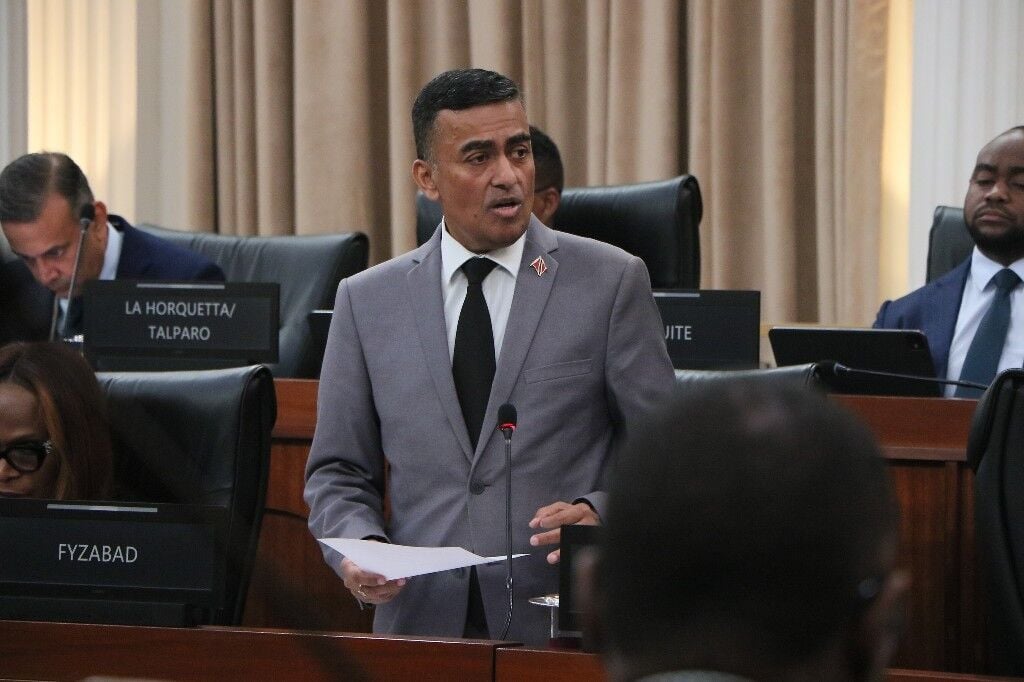
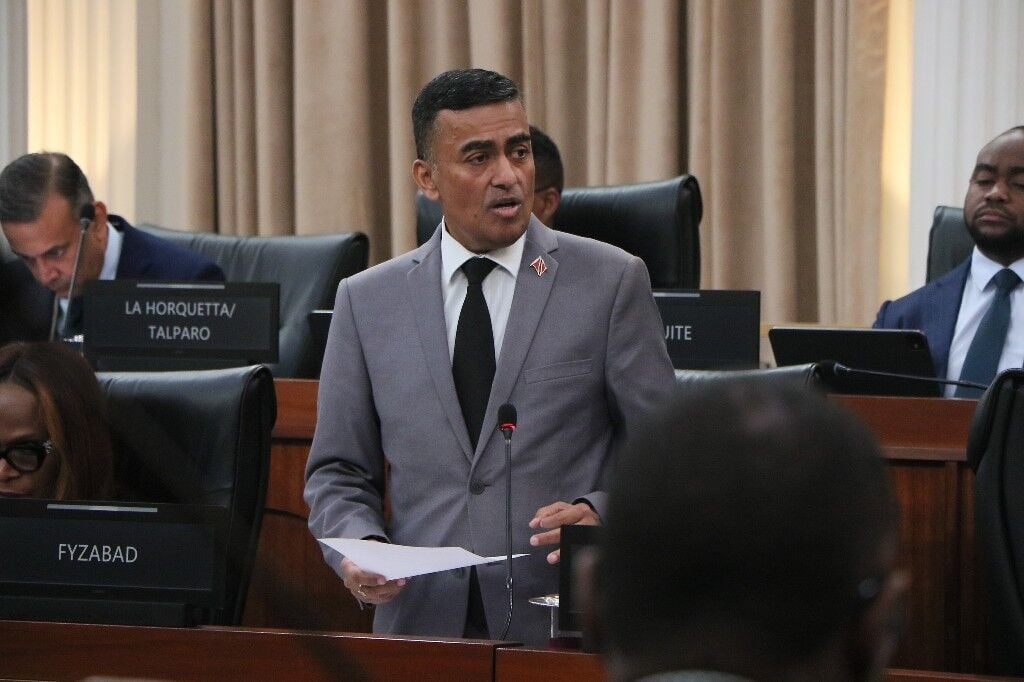
The Finance Bill 2025, which contains a number of legislative reforms -including several new road traffic penalties — was passed in Parliament last night with the Government’s majority.
The bill was piloted by Finance Minister Davendranath Tancoo, who described it as a decisive step towards strengthening governance, modernising outdated laws, boosting public safety, and ensuring greater fairness in Trinidad and Tobago’s tax system.
Tancoo went through 23 clauses that will amend 21 pieces of legislation.
He said the bill will update penalties, close loopholes, modernise institutions, and introduce new revenue measures while fulfilling several key campaign promises.
Road users will face stiffer penalties under Clauses 10–12, with fines increasing for traffic offences, operating maxi-taxis without permits, and violations under the Motor Vehicles and Road Traffic Act.
Tancoo said the amendments reflected Government’s comprehensive strategy to improve public safety, reduce traffic violations, and ensure that penalties remain proportionate to current socio-economic realities.
He said increasing fines will send a clear signal that road traffic offences are serious breaches of the law as they pose risks to the lives and property of all who use the nation’s roads.
The minister noted that clause 18 introduces new tax measures:
Commercial Asset Levy – a 0.25% levy on the total assets of licensed financial institutions and local insurers. Institutions must file annual returns, with penalties for late submission and payment.
Tancoo said the levy ensures large financial entities “make a fair and proportionate contribution to national revenue”.
He added that the Board of Inland Revenue (BIR) will have the power to enforce compliance.
A new surcharge on rental income, coupled with mandatory property registration, will also take effect.
Rates are:
– 2.5% on quarterly rental receipts of $20,000 or less
– 3.5% on amounts above that threshold
Unregistered rentals and false declarations attract penalties of $250,000 and three years’ imprisonment.
Tancoo said the measure is more equitable than the repealed property tax because it is based on “actual rental receipts as opposed to the PNM’s fictional rent”.
Turning to the electricity surcharge, Tancoo said a five-cent charge per kilowatt hour on commercial and industrial electricity consumption will be collected via T&TEC billing and remitted quarterly.
He said certain public institutions, including schools and healthcare facilities, are exempt.
The minister said the bill also provides for a 5% tax on the CIF value of specified imported single-use plastics, including plastic bags, packaging, cutlery, and PET preforms.
Tancoo said this aligns the country with global environmental standards.
He said clause 2 proposes amendments to the Prime Minister’s Pension Act, revising the recalculation formula for former prime ministers. He said the change aligns the law with the tiered, merit-based pension system introduced earlier this year.
Crime suppression
A major theme in Tancoo’s presentation was crime suppression through stronger penalties. Clause 3 modernises the Gambling and Betting Act, significantly increasing fines and introducing tougher custodial penalties for illegal lottery operations.
Tancoo said the Police Service advised the Government that illegal gambling was deeply intertwined with “tax evasion, money laundering, prostitution and drug trafficking”.
“For too long, illegal gambling has thrived due to low and outdated penalties. All illegal lottery activities will not be tolerated,” he said.
Clause 4 updates the Immigration Act and its Regulations to strengthen border security, improve efficiency, and support a transition to electronic declarations.
“It is no secret that our border control systems are weak…We must protect our citizens and that is what we are doing here today,” Tancoo said.
He noted that clause 5 formally allows the Governor of the Central Bank to receive statistical information, reflecting a long-standing practice.
Clause 6 delivers extensive changes to the National Lotteries Control Board (NLCB), including:
– broader purposes for the use of lottery proceeds,
– quarterly rather than annual deposits into the Consolidated Fund,
– caps on categories of expenditure, and
– a new offence targeting persons who illegally print, sell, or distribute tickets based on NLCB online draw results.
Penalties will range from $250,000 and three years’ imprisonment on summary conviction to $3 million and seven years’ imprisonment on indictment.
The minister noted that clause 7 strengthens penalties for illicit sales, advertising, and distribution of tobacco products, particularly those affecting children and young people.
He said clause 8 implements updated contribution tables for the National Insurance Fund, which Tancoo said the previous administration had “abandoned” placing citizens’ entitlements at risk. He emphasised that the Government worked closely with the NIBTT and stakeholders in designing the reforms.
The minister said clause 17 speaks to the repealing of the Property Tax Act.
Calling it “a blight inflicted on the people of this nation”,
Tancoo said the repeal represented “another promise made and kept”.
The House was adjourned to December 9 at 1.30 p.m.