
This post was originally published on this site.

Trump vows tariffs on eight European nations over Greenland
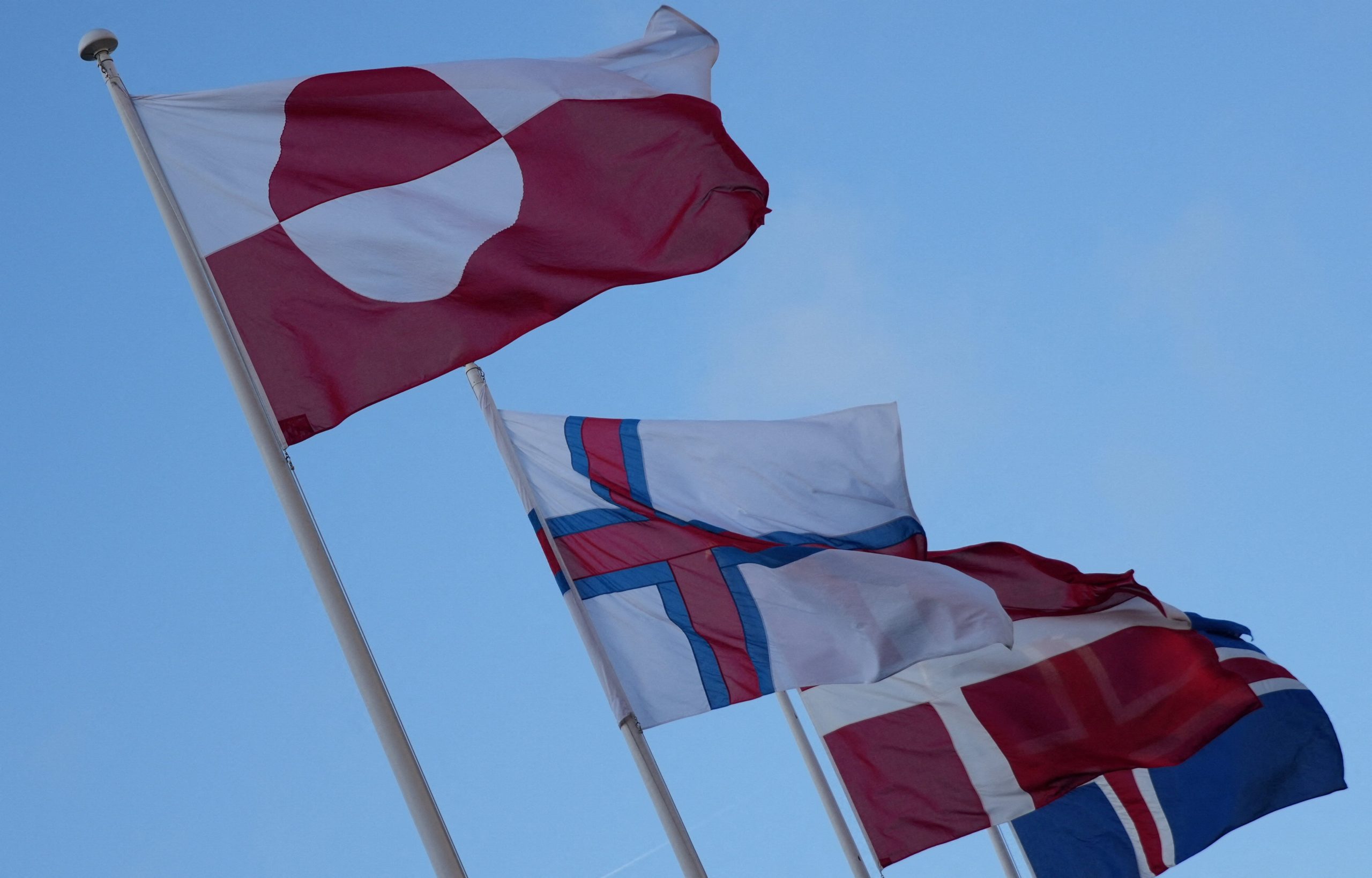
President Donald Trump vowed to implement a wave of increasing tariffs on European allies until the United States is allowed to buy Greenland, escalating a row over the future of Denmark’s vast Arctic island.
European Union ambassadors reached a broad agreement on Jan. 18 to intensify efforts to dissuade President Donald Trump from imposing tariffs on European allies, while also preparing retaliatory measures should the American president follow through on his threats.
The consideration comes as Trump announced that eight NATO countries will face a 10% tariff on all goods sent to the United States, effective Feb. 1, until the United States is allowed to buy Greenland, a step that major EU states decried as blackmail. The tariff would increase to 25% on June 1 if a deal to purchase the region is not reached, Trump said.
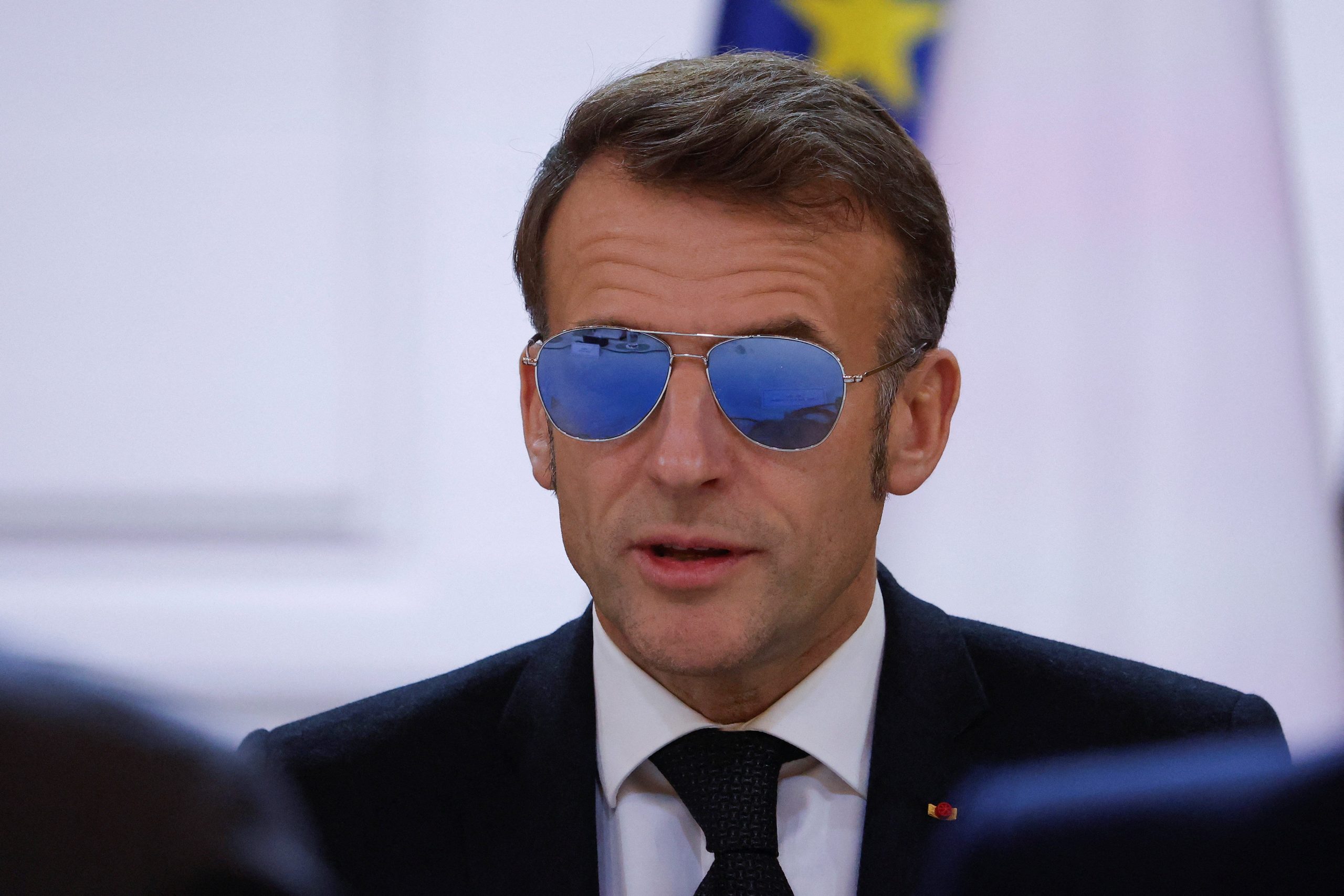
French President Emmanuel Macron floated using the European Union’s anti-coercion instrument against the U.S. as part of numerous exchanges with European leaders, a diplomat told USA TODAY. The diplomat added that Macron reaffirmed to his counterparts the importance of a firm and coordinated European response.
Irish Prime Minister Micheal Martin said that while there should be no doubt that the EU would retaliate, it was “a bit premature” to activate the instrument.
In May 2025, the EU had said it would implement $107 billion worth of U.S. imports in the wake of Trump’s sweeping tariff announcement, but suspended them for six months after the president and ambassadors reached a deal. Items covered under the proposed tariffs, according to Euronews, targeted industries centered in Republican-leaning states, such as bourbon, airplane components, soybeans and poultry.
The EU has not ratified the deal, according to the Financial Times, and lawmakers in Brussels signaled that the renewed threats to Greenland would scuttle its approval.
The tariff package appeared to command broader support as a first response than other anti-coercion measures where the picture was currently “very mixed”, Reuters reported, citing an EU source.
The eight NATO nations – including Denmark – called Trump’s latest tariffs “dangerous” to transatlantic relations in a joint statement. “Tariff threats undermine transatlantic relations and risk a dangerous downward spiral,” the countries said
Here’s what to know about the European Union’s “trade bazooka.”
What is the ‘trade bazooka?’
The European Union’s anti-coercion instrument, also known as the “trade bazooka,” was adopted in 2023 to prevent and eliminate “situations of economic coercion,” according to the regulation’s text.
“It especially aims to deter the economic coercion of the Union or a Member State and to enable the Union, as a last resort, to counteract economic coercion through Union response measures,” the regulation reads.
The instrument was conceived to prevent “bullying” from China, Politico Europe reported. However, Euronews said that it was designed to counter China and the U.S. in wielding tariffs and natural resources to advance national interests.
The instrument allows the EU to curb or cease imports of goods and services into its market and put restrictions on foreign investment and intellectual property rights, among other retaliatory options.
The European Commission’s Q&A page on the instrument notes that any action against a country must be “proportionate to the harm” caused.
“The range of potential measures is designed to be broad, in order to allow the selection and design of an effective and efficient response to an individual case of economic coercion with minimal or no impact on the EU economy,” the European Commission wrote.
How long would it take to deploy the ‘trade bazooka’?
Once a country is accused of coercion, the European Commission has up to four months to examine the allegation, according to the regulation’s text. After the investigation, a majority of EU members must agree to initiate it.
Once the instrument is activated, the EU negotiates with the accused country. If those negotiations fail, retaliatory measures can be taken.
The instrument has not been used since its adoption, according to the AFP.
Why is the anti-coercion instrument seen as a ‘bazooka?’
Invoking the anti-coercion instrument would cause major damage to the trading relationship between Europe and the U.S. and was considered a “nuclear option” to respond to Trump’s tariffs, according to Euronews.
Trade between the U.S. and EU reached nearly $2 trillion in 2024, representing almost30% of global trade and 43% of global GDP, according to EU Council data.
“The European Union and the United States have the largest bilateral trade and investment relationship and the most integrated economic relationship in the world,” the Council writes.
The European Union is made up of 27 countries with a combined population of 450 million people, according to Agence France-Presse.
Contributing: Reuters