
This post was originally published on this site.
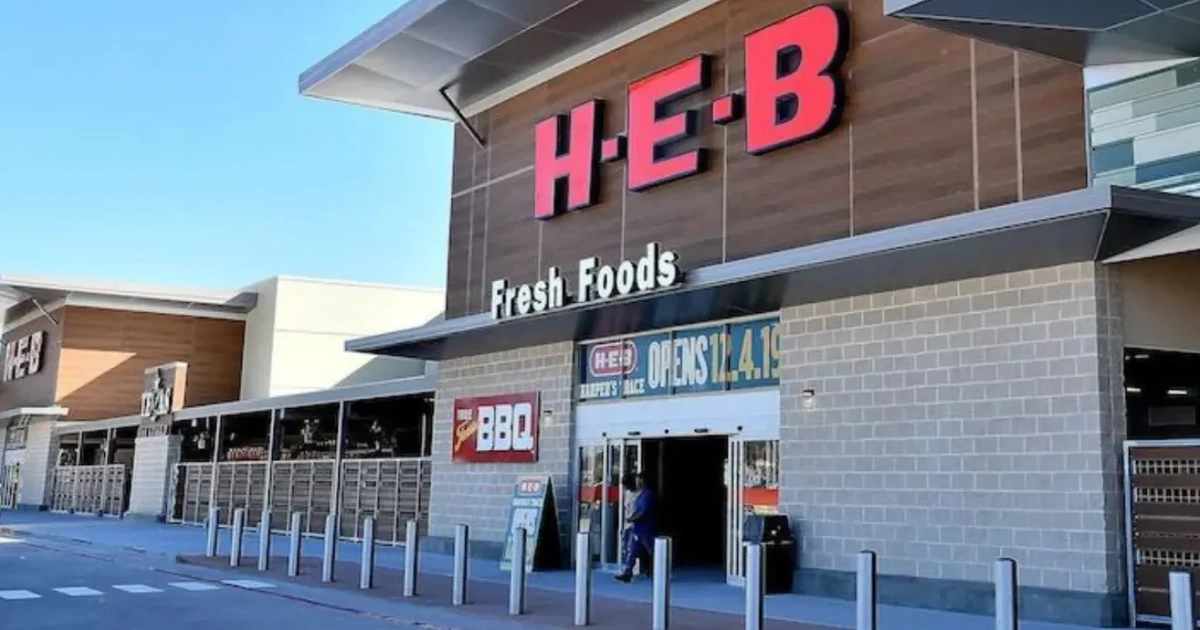
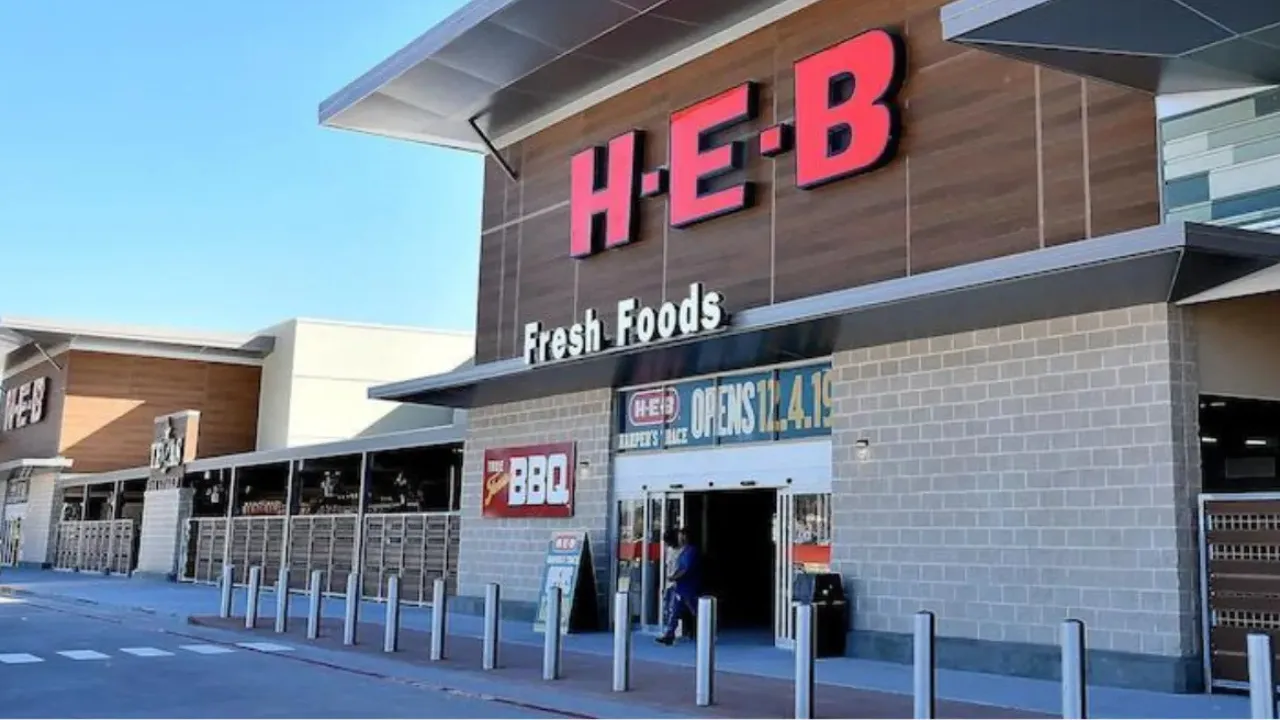
When it comes to ecommerce, H-E-B is the cream of the crop, according to the 2025 Ipsos Channel Check-In report on the grocery ecommerce experience.
The San Antonio-based retailer earned the top ranking for both delivery and curbside pickup in the research, which was conducted using secret shoppers who graded 15 grocery retailers based on a weighted set of criteria.
Brad Christian, chief commercial officer at the Ipsos Experience Group, said H-E-B and other traditional supermarket operators are improving their ecommerce operations by investing in some of the aspects of the experience that consumers are most concerned about.
“We believe that their investments are translating into performance,” he said.
He described the environment as an “ecommerce arms race” among traditional grocery retailers seeking to compete against larger rivals such as Amazon, Walmart and Target, which have made significant investments in their own grocery delivery and pickup capabilities.
Much of the recent activity among grocery retailers has involved the evolution of their use of third parties for delivery and/or in-store order picking.
“It is an incredibly expensive proposition to have store staff fulfilling orders and handling curbside pick-up,” said Christian. “In some cases, brands are starting to outsource this to a third party that they can kind of call their own and let them manage all the staffing issues.
“The next chapter is how much of this will brands outsource, and how much of this will they manage themselves,” he said.
Kroger, for example, is shifting toward an ecommerce model in which it is relying more heavily on third-party delivery companies that can fulfill orders from Kroger’s own stores, while scaling back its partnership with Ocado that had envisioned a nationwide network of automated ecommerce fulfillment facilities.
Similarly, Ahold Delhaize is paring back its ecommerce fulfillment facilities at both its Stop & Shop and Giant Food divisions, and others are also continuing to adjust their operations in an effort to drive a return on their ecommerce investments.
Walmart last year said it expected its ecommerce division to be operating profitably in the current fiscal year, which ends this month, but that target remains elusive to most food retailers.
“It’s expensive, but it addresses a need that consumers have, so brands are trying to figure out how to do it in a way that’s profitable,” said Christian.
H-E-B excels at the ordering experience
In terms of both delivery and curbside pickup, H-E-B benefitted from strong performance in the order experience, a pillar in which it ranked first for both aspects of ecommerce.
H-E-B also ranked above the industry mean in the two other pillars of delivery—customization and the delivery experience, and it ranked above the industry mean in the curbside pickup experience as well.
H-E-B’s 2018 acquisition of Favor Delivery, a local grocery delivery specialist that continues to operate as an independent division of the company, appears to be paying dividends as H-E-B continues to excel at curbside pickup and make improvements in its delivery operations.
Other grocery retailers that showed year-over-year improvements in the Ipsos report include both Kroger and Albertsons.
Kroger recorded the biggest year-over-year improvement in its curbside pickup score, jumping up eight places in the rankings to land a close second behind H-E-B. The Cincinnati-based retailer performed better than the industry mean in the ordering experience and was by far the leader in the pickup experience itself, which encompasses the execution of an on-time, smooth handoff; order accuracy and being well-packaged.
Both Safeway and Albertsons also performed well in multiple aspects of curbside pickup, and Albertsons saw its ranking in the curbside pickup aspect rise two positions to place third in that area.
Amazon Fresh, meanwhile, rose four places in the curbside pickup rankings to finish fourth, narrowly edging out Safeway.
Meanwhile, H-E-B jumped eight places in the rankings for ecommerce delivery performance this year, compared with a year ago, the biggest leap of any of the retailers that were evaluated.
Whole Foods, Meijer, Food Lion and Kroger rounded out the top five, in that order, as Food Lion jumped up 10 spots from the year-ago rankings.
As is the case with curbside pickup, H-E-B’s strength in delivery was driven by its top-ranked performance in the ordering experience. H-E-B also outperformed the industry mean score in customization (the ability to control certain variables such as the ability to select delivery time windows), and the retailer also placed second, behind Hy-Vee, in the rankings for the delivery experience.
Room for improvement
The report identified some key areas of opportunity for the industry—aspects of the delivery process at which retailers underperformed but which consumers said were important for their likelihood to use a retailer’s delivery services again. These included the ability to provide delivery instructions and the ease of completing a purchase.
The research found that grocery retailers did perform well overall in one key area of importance: Offering a delivery scheduling option. Retailers also performed well in several areas that were less important in driving repeat use, such as delivery timeliness and en-route confirmation.
In fact, communication remains a critical aspect of the experience for customers when it comes to ecommerce. Although users might have varying expectations when it comes to the level of communication with their order pickers, often some back-and-forth needs to occur, particularly around product substitutions.
“If you don’t communicate about product substitutions, and there are substitutions that I don’t agree with when I receive my order, I’m not happy,” said Christian. “Conversely, if you overcommunicate about every possible permutation of every substitution, then I start to think I should have just done this myself. We’ve found that there is this sweet spot of really targeted and pointed communication, but not too much.”
Shipt tops third-party delivery experience
Grocery retailers are increasingly leveraging third-party delivery partners to outsource some or all their ecommerce operations.
For the first time, Ipsos measured the performance of third-party delivery service providers and found that Shipt was the clear winner, beating out Instacart, DoorDash and Uber Eats.
Shipt, a captive subsidiary of Minneapolis-based Target, performed well in the report at least in part because of its efforts to make it easy for users to work with their preferred shoppers, Christian said.
“Consumers get a level of comfort because ‘preferred’ Shipt shoppers know who they are and what they like,” said Christian. “This connection between the consumer and the Shipt shopper, which Shipt does a lot more intentionally than the other brands, is a strength and a benefit to their value proposition.”
While Uber Eats achieved the top score in terms of the ordering experience, Shipt ranked at the top in terms of the ability to customize the order and the delivery experience.
Methodology
In order to create this report, Ipsos first conducted a consumer survey of 1,200 respondents, all of whom had previously used a supermarket’s ecommerce offering for either curbside pickup or delivery. Their responses helped Ipsos understand consumer preferences and expectations for ordering groceries through this channel. Ipsos used this information to identify key drivers and create measurable performance attributes.
Then, Ipsos deployed about 100 mystery shoppers to each of the 15 supermarket brands and four third-party delivery service providers to evaluate how effectively each brand delivered on those operational standards.