
This post was originally published on this site.
At 80 years old, he was standing in a convenience store pouring $60,000 into a crypto ATM machine. He wasn’t an investor. Someone called pretending to be his bank representative. She scared him, saying he needed to convert his life savings into cryptocurrency to protect those funds. But he didn’t know anything about crypto, even how to convert cash into it. The scammer explained what to do and where the closest crypto machine was located, in a convenience store near his apartment.
His son, having received a notice of a large cash withdrawal from the bank, desperately called the police to help. Police tracked down his dad as he was stuffing hundred-dollar bills into the crypto machine, but only after he had already lost nearly $58,000. The criminal scammer was still on the phone, and when the police officer spoke to her, she laughed. There will be no justice for this victim, and his life savings are gone. He is not alone.

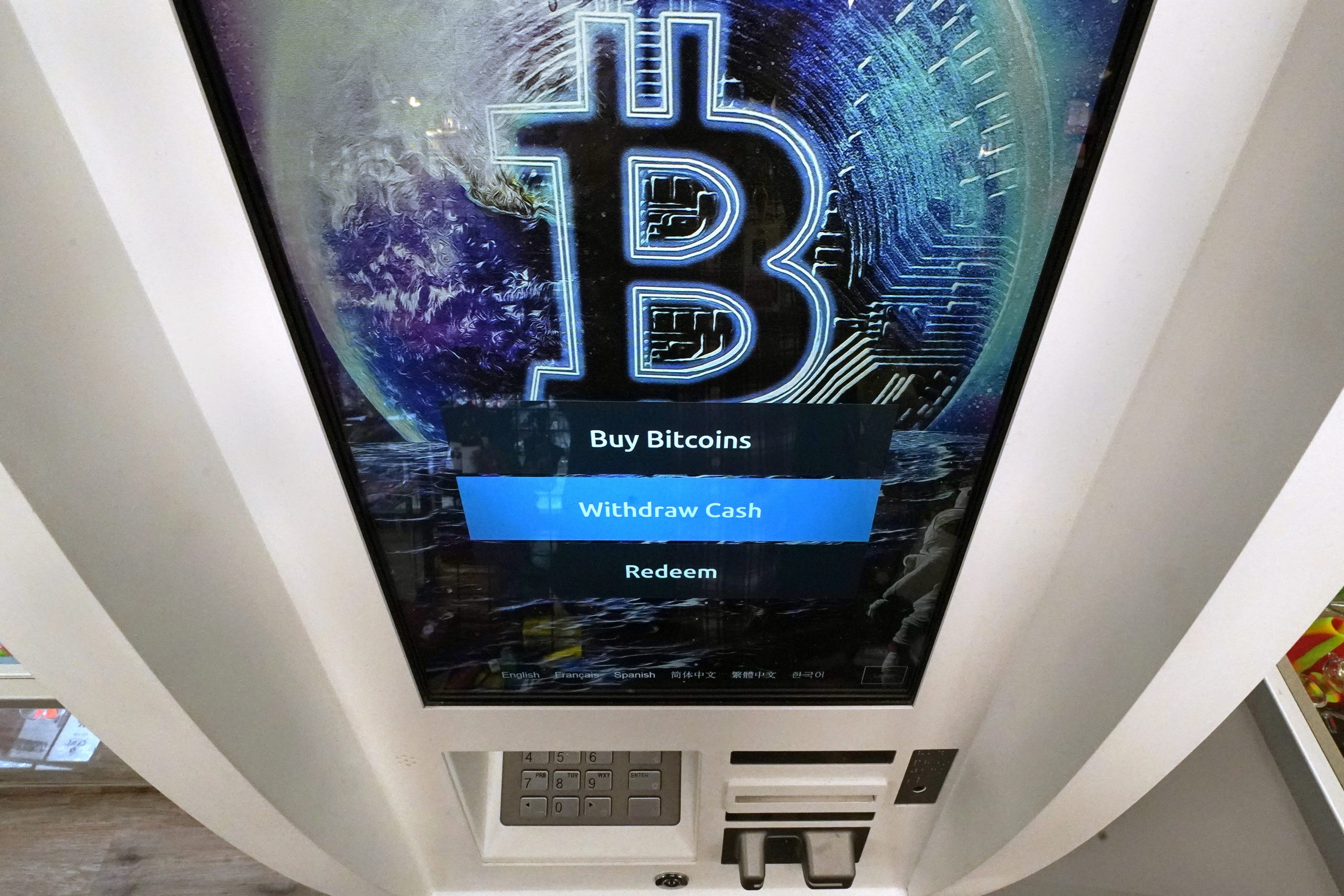
As the national dialogue on cryptocurrency wanders around the merits and criticisms of the crypto market, we have seen an explosion of crypto machines in convenience stores and gas stations. The legal names for these machines are “virtual currency kiosk businesses,” but they’re commonly known as Bitcoin ATMs or crypto ATMs.
These machines allow customers to exchange cash for crypto. Once purchased, a customer can secure the crypto in their own digital “wallet” or, importantly for facilitating criminal activity, can send the purchased crypto to a third party’s “wallet.” Once transferred, tracking the money, by design, is impossible as it bounces around the world.
The transactions fees are astronomical, between 9% and 12%, with some fees reported to be as much as 20%, of the value of the transaction. Such high transaction costs undermine arguments that these are exclusively for legitimate investment; few can make money on a commodity when they start out 10% to 20% down in transaction costs.
According to our police department, in Sunrise this year alone, we have received 20 complaints of fraud or potential fraud, totaling more than $1 million in losses. Federal officials last year received 11,000 complaints nationwide totaling $250 million in losses to victims. There are an estimated 30,000 of these machines nationwide. In Florida, 26 companies operate these crypto ATMs, with nearly 3,000 kiosks throughout the state. It is estimated in Florida that, since 2020, victim losses total between $16 million and $21 million.
Simple steps to protect residents have been ineffective. In one example, law enforcement received a report of fraud and immediately seized the machine that contained $10,000 of the victim’s money. The company owning the machine sued the police department. While not disputing the victim was defrauded, the crypto ATM company that owned the machine successfully argued that, once the money was put in the machine, it was the company’s asset. The victim lost every penny. Warning signs have also proved ineffective.
The Florida Legislature proposed legislation to regulate these machines last year. A bill analysis for the legislation specifically stated it was intended to reduce unlawful and fraudulent activities by requiring these businesses to register with the state and be subject to enforcement rules. That legislation, with bipartisan cosponsors, never even got a committee hearing in the Florida House. The victimization and criminal activity continued.
Beyond the victimization of our seniors and community, these machines can be used to facilitate other illegal activities, including money laundering and the purchase of illegal services and goods.
The Florida Legislature is watching this happen and doing nothing to stop the continued victimization in our community or the fact that these machines are used to commit illegal activities. In the meantime, the companies owning these machines are profiting not only from victimization but by serving as a tool for illegal activities beyond the reach of law enforcement.
Local elected officials and local law enforcement are left to find solutions to protect our community and fight against criminal activity. Perhaps we must ban these machines entirely. In the meantime, warn those around you and be aware these machines can be used as tools for criminality.
Mike Ryan is mayor of the city of Sunrise.