
This post was originally published on this site.
Scams involving bitcoin ATMs reportedly took $333.5 million from Americans from January through November, up from about $250 million in 2024.
Fraudulent transactions using cryptocurrency kiosks have seen a “clear and constant rise,” an FBI spokesperson told ABC News in a report posted Tuesday (Dec. 30).
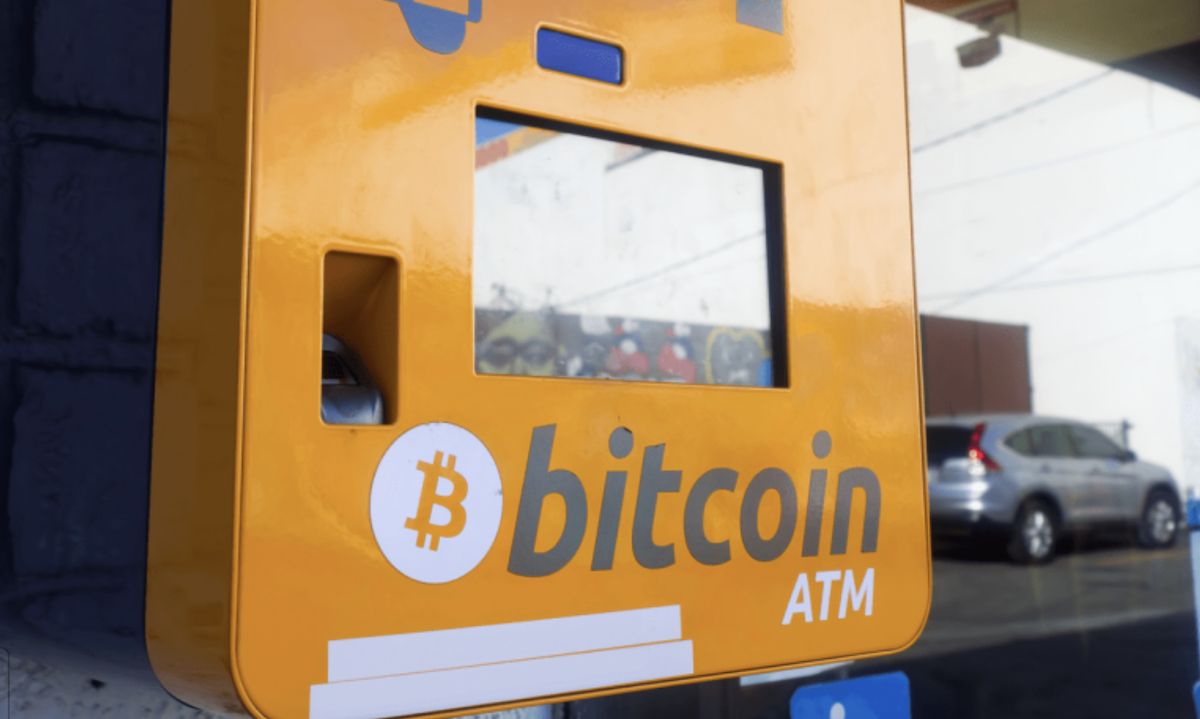
Bitcoin ATMs have become attractive tools for fraudsters because these machines can be found at 45,000 locations nationwide, enable users to insert cash and send it to any digital wallet, and provide a payment method that makes the funds nearly impossible to recover, according to the report.
The FBI said in September 2024 that criminals exploit these features of cryptocurrency in every form of fraud tracked by its Internet Crime Complaint Center (IC3).
“The decentralized nature of cryptocurrency, the speed of irreversible transactions, and the ability to transfer value around the world make cryptocurrency an attractive vehicle for criminals, while creating challenges to recover stolen funds,” an FBI report said. “Once an individual sends a payment, the recipient owns the cryptocurrency and often quickly transfers it into an account overseas for cash out purposes.”
The Federal Trade Commission (FTC) said in September 2024 that as bitcoin ATMs have been installed in more locations, they have become a “payment portal for scammers.”
Advertisement: Scroll to Continue
The FTC said scammers increasingly use bitcoin ATMs as part of their government impersonation, business impersonation and tech support scams.
“The lies told by scammers vary, but they all create some urgent justification for consumers to take cash out of their bank accounts and put it into a bitcoin AMT,” the FTC said in a September 2024 press release. “As soon as consumers scan a QR code provided by scammers at the machine, their cash is deposited straight into the scammer’s crypto account.”
The Missouri Attorney General’s Office is investigating companies that operate cryptocurrency kiosks, looking into whether they engage in practices that may violate the state’s consumer protection laws and requiring the companies to disclose their anti-fraud policies and procedures.
“These transactions are nonrefundable and difficult to trace, making them a preferred method of payment for scammers to prey on vulnerable Missourians,” the Attorney General’s Office said in a Dec. 17 press release, speaking of cryptocurrency kiosks.