
This post was originally published on this site.
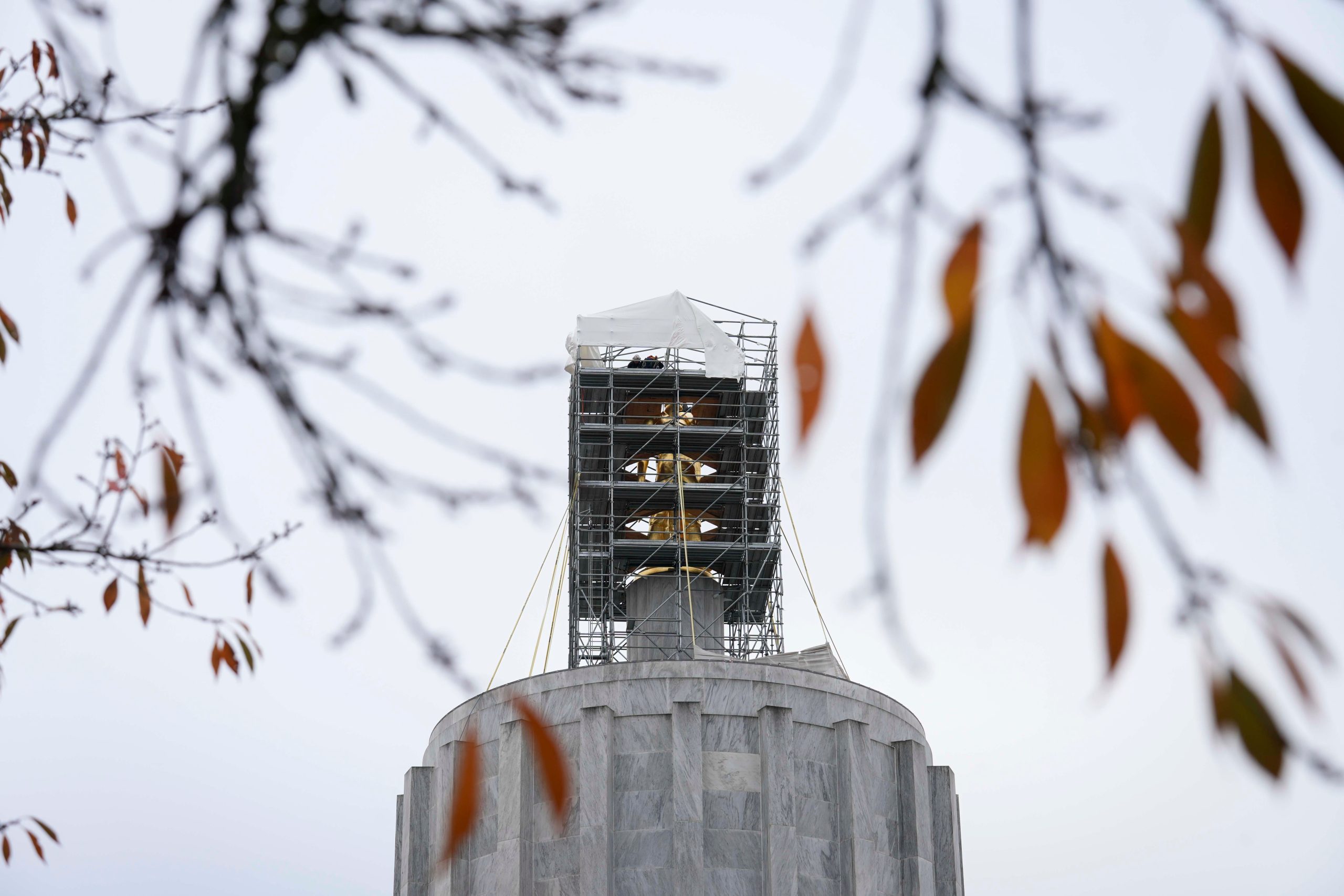

Video shows iconic Gold Man after regilding at Oregon State Capitol
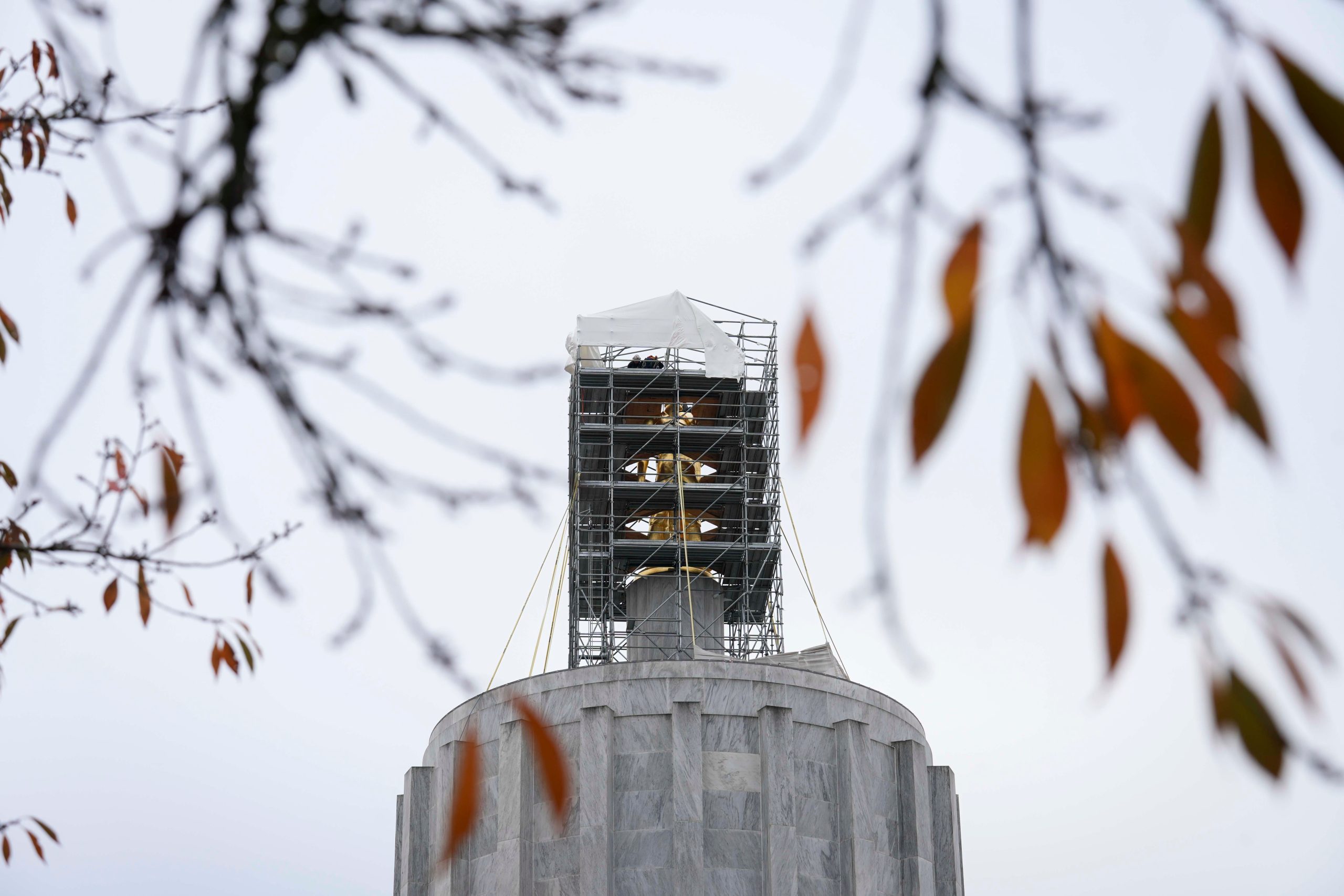
The iconic Gold Man at the Oregon State Capitol was last gilded in 2000. Work to refresh the statue was part of the ongoing CAMS project.
Oregon filed its 51st lawsuit against the Trump administration on Dec. 22 over defunding of the Consumer Financial Protection Bureau, which is tasked with collecting and investigating consumer complaints.
The lawsuit, which was filed in Oregon with 20 other states and Washington, D.C., claims U.S. Office of Management and Budget director Russell Vought broke the law by refusing to request funds for the bureau when the Federal Reserve’s interest expenses outweigh its income.
The CFPB was created following the 2008 financial crisis and has returned more than $21 billion to consumers since its inception, according to the lawsuit.
The bureau is “a watchdog that gets results,” Oregon Attorney General Dan Rayfield said in a statement.
The suit challenges conclusions drawn by Vought that he cannot and will not request more funding because of the Federal Reserve’s financial status which the states say could lead to the CFPB running out of funds as soon as January 2026.
The states allege Vought’s determination he cannot request funding and decision to not do so violate the Administrative Procedure Act and the Constitution.
The Trump administration is using “private sector accounting concepts that simply don’t apply to the nation’s central bank” to justify not funding CFBP, California Attorney General Rob Banta told reporters.
“Based on that interpretation, instead of current law, the CFPB has declared it can’t legally draw funds,” Banta said. “Our lawsuit challenges that refusal as unlawful, as arbitrary and as beyond the agency’s authority.”
More than 8,800 Oregonians submitted complaints to the CFPB in 2024, a 51% increase from 2023, leading to $710,000 going to Oregon consumers, according to a CFPB report.
States use data from the CFPB to investigate consumer issues and refer their constituents to the bureau, they said in the lawsuit.
“What Congress didn’t know and I don’t think any of us, frankly, could have predicted, that you would have a president that would go to such extreme lengths to create this wild legal theory about why you can’t fund this consumer watchdog organization,” Rayfield told reporters Dec. 22.
Rayfield and other Democrat-led states have aggressively pursued legal action against the Trump administration in 2025.
With 51 suits this year, Oregon has now exceeded the number of suits it filed against the administration during the entirety of Trump’s first term.
Anastasia Mason covers state government for the Statesman Journal. Reach her at acmason@statesmanjournal.com or 971-208-5615.