
This post was originally published on this site.
In today’s day and age the hot job markets have to do with technology or AI, but there’s a growing number of people forgoing college and turning to skilled trades. Those trades range in becoming electricians, welders, HVAC technicians, and more.
And it’s an unlikely demographic leading the charge: Gen Z.
“So I went to school for just like a year, and I went back the next year. And the first day I was like, yeah, I’m done, and I left. I had no plan, but I just left,” shares 26-year-old Chandler Alexander.
At the age of 20, Alexander ditched his plans of college and started selling coconuts on the beach.
For him cutting coconuts eventually turned into chopping trees.
“For like the first two years, I literally only learned off of YouTube. Like YouTube and Instagram, I would search people that were like doing trees, trimming palms and like nowadays you can literally learn everything off the internet,” Alexander said.
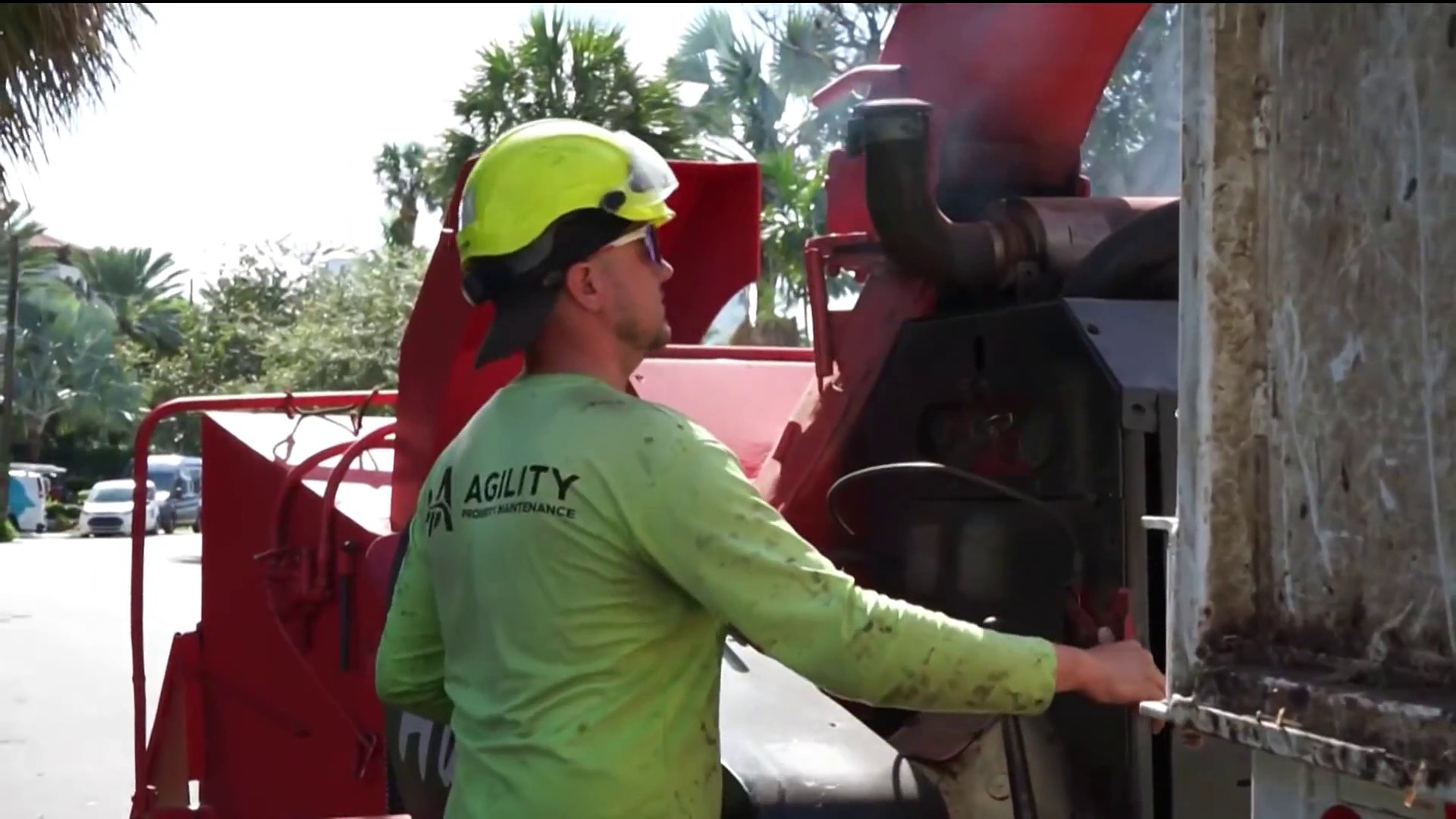
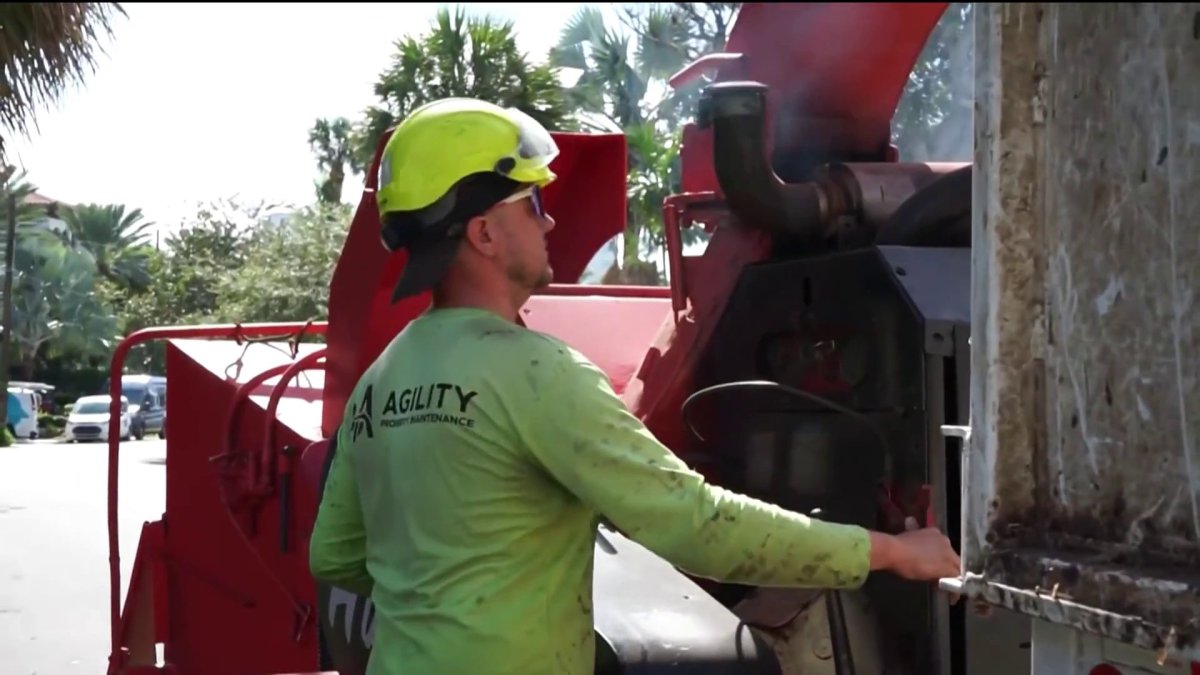
And now, with his success in his growing landscaping and maintenance company called Agility, he’s teaching others.
On TikTok, under the handle @chandlerunlocked, he creates his own social media videos of what learning a trade can provide. He shows the highs and the lows, as well as provides business advice to roughly 1 in 3 TikTok users who are of the same age range.
“Everyone says, ‘oh, go to college, get a job.’ But the job market out there isn’t that big if you go to college like I’m probably making, you know, close to or maybe more and building something for myself, you know, more than what a college degree would give you,” Alexander said.
Alexander is part of a growing number of individuals aged 18 to 28 that are turning to blue collar work. 42% saying the top motivators are avoiding student debt and not being replaced by artificial intelligence.
“Trade’s always going to be there. The, you know, the, the hardworking blue-collar Americans that, you know, that work in this country, they’re the ones that build the structures, they are the ones that pave the roads, they’re the ones that provide all this infrastructure for people to be able to live. And I think without us there, you know, there wouldn’t be much of a, an actual, you know, society. So, I think, you know, as, as, as undesirable and as dirty as this may be, there’s always going to be a need for it,” explained Steven Schoberg.
The 25-year-old comes from a family of trade workers. During high school he went to a technical school, he joined the union at 18, later became a steel worker, then a mechanic, and is now a part of Chandler’s eight-man crew.
In just his first year in a trade he made upwards of 6 figures.
“When there’s less workers, there’s a lot of opportunity. And I think that, you know, higher paying jobs are going to come from stuff like this. You know, your plumbers, electricians, your roofers, stuff like that,” he said.
Currently, the Bureau of Labor and Statistics says there are 500,000 open manufacturing jobs in the U.S., and by 2033 some are expecting that number to grow to 2 million.
However, Gen Z is starting to fill that gap.
Last year, according to Gusto, a payroll and benefits company, Gen Z accounted for nearly one in four new hires in skilled trade roles despite making up just 14% of the total working population.
“Going into school for four years. I don’t see myself doing that,” shared 20-year-old Arturo Rodriguez. “I prefer rather just, instead of doing the four years. If I get into a trade, I just do my five years. It’s a rough five years. But then after that, it’s pretty, it gets better. And while I’m in those 4 to 5 years, I’m making money at the same time.”
Rodriguez is an industrial electrician with Horsepower Electric. He has been working there for roughly 4 months after completing lineman and electrical classes at Miami Dade College North.
Both classes for Arturo were free. And it is cost, that’s also a big sell.
Whereas the average cost of a four-year college in the US is about $108,000 over four years, most trade schools according to a US News and World Report take a few weeks to two years, and can cost a few thousand dollars to no more than $25,000.
Students like Rodriguez who are in apprenticeships can make money while they learn.
“The rewarding part, I would say, is definitely when you get when you get the job done, you do something you, you have a lot of pride. And I take a lot of pride in what I do. And if I do something and I, I wired it up or I do it from scratch, I enjoy doing that and knowing that I did that on myself or with the help of somebody,” he said. “The challenging part is just it’s the hours, the sun. And that’s mainly it.”
And even so, 4 in 10 gen z workers are turning to blue collar work for job security.
“I feel like AI it’s kind of taking over some of the jobs and a lot of the jobs we had back then, we don’t have now just because of I. And I feel like in the future it’ll probably get more jobs and I know that I cannot take over a plumber, an HVAC technician, an electrician. That’s something that you can always have to do.”