
This post was originally published on this site.
KANSAS CITY, Mo. (KCTV) – Law enforcement agencies across the country are warning the public about a growing number of cryptocurrency fraud cases.
The Missouri State Highway Patrol’s Division of Drug and Crime Control said criminals are using the internet, social media, email, dating sites, text messages, and phone calls to convince victims to send money through Bitcoin and other virtual currencies.
“These scams are designed to appear legitimate and frequently rely on urgency, fear, or promises of guaranteed returns,” the Highway Patrol said. Many victims are groomed and have established mutual trust with the perpetrator before money is requested.
Older adults appear to be particularly targeted by the schemes, though the Highway Patrol said scammers victimize others, as well.
Warning signs of cryptocurrency fraud:
- Pressure to act quickly
- Requests for payment in cryptocurrency or gift cards
- Unsolicited contact from someone claiming to represent government agencies with promises of guaranteed profits or ‘risk-free’ investment opportunities
- Scammers also commonly instruct victims to keep transactions secret
Romance fraud is also common, in which online relationships quickly turn into requests for money or investment.
Investigators emphasize legitimate government agencies and law enforcement do not request payment in cryptocurrency, gift cards, or wire transfers, or insist on urgency of action.
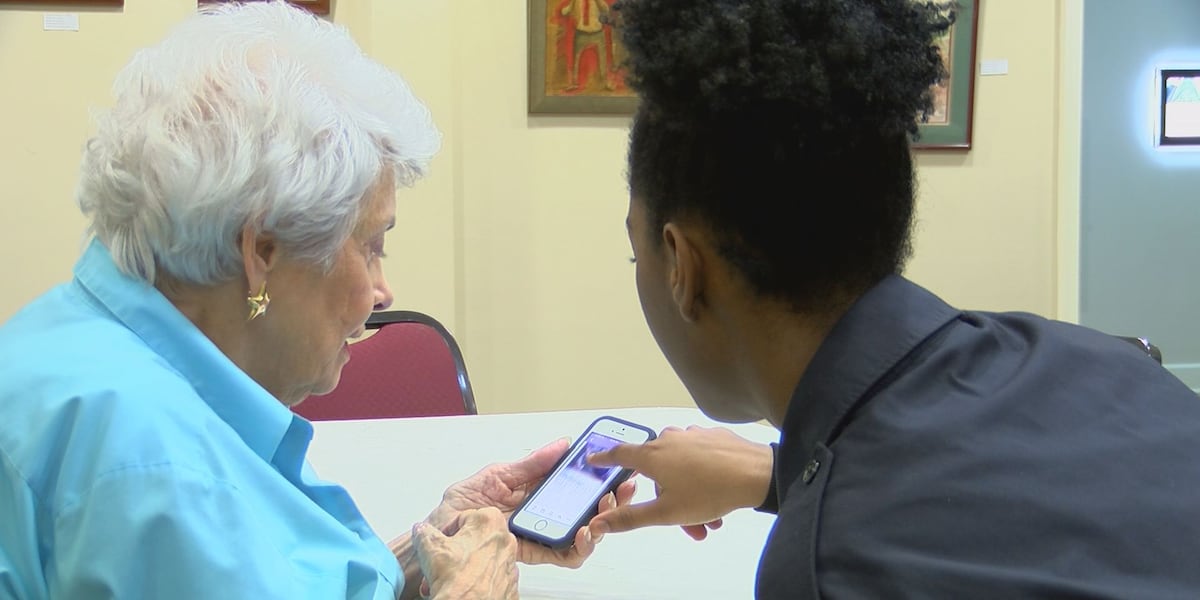
The agency encourages families and caregivers to discuss these scams with older adults.
Anyone in Missouri who believes they have been targeted or victimized by a scam can contact the state Attorney General’s Consumer Protection Hotline at 800-392-8222 or file a complaint online at the Attorney General’s website. Residents in other states are encouraged to contact their respective state Attorney General’s office.
Local law enforcement and the Missouri State Highway Patrol can also be contacted to report suspected fraud.
Copyright 2026 KCTV. All rights reserved.