
This post was originally published on this site.
British Prime Minister Keir Starmer recently concluded his four-day visit to China, during which he met President Xi Jinping. He was accompanied by a sizeable delegation of prominent British business leaders across finance, pharmaceuticals, clean energy and aviation.
Starmer met Chery chairman Yin Tongyue, who announced his intention to open the carmaker’s European headquarters in Liverpool. Separately, AstraZeneca also announced a US$15 billion investment in China over the next five years.
The government said it has secured market access valued at £2.3 billion (US$3.1 billion) and £2.2 billion in export deals, though questions inevitably remain over the extent to which they materialise. Beijing agreed to extend 30-day visa-free access to British citizens as well as to lower tariffs on British whisky from 10 per cent to 5 per cent.
Advertisement
As a Hongkonger who benefited greatly from nearly a decade’s worth of British education, I found Starmer’s visit refreshing for two reasons. First, it was the first visit by a British prime minister to China in eight years, hopefully marking an end to the deep freeze in Sino-British bilateral relations after what was termed a “golden era”.
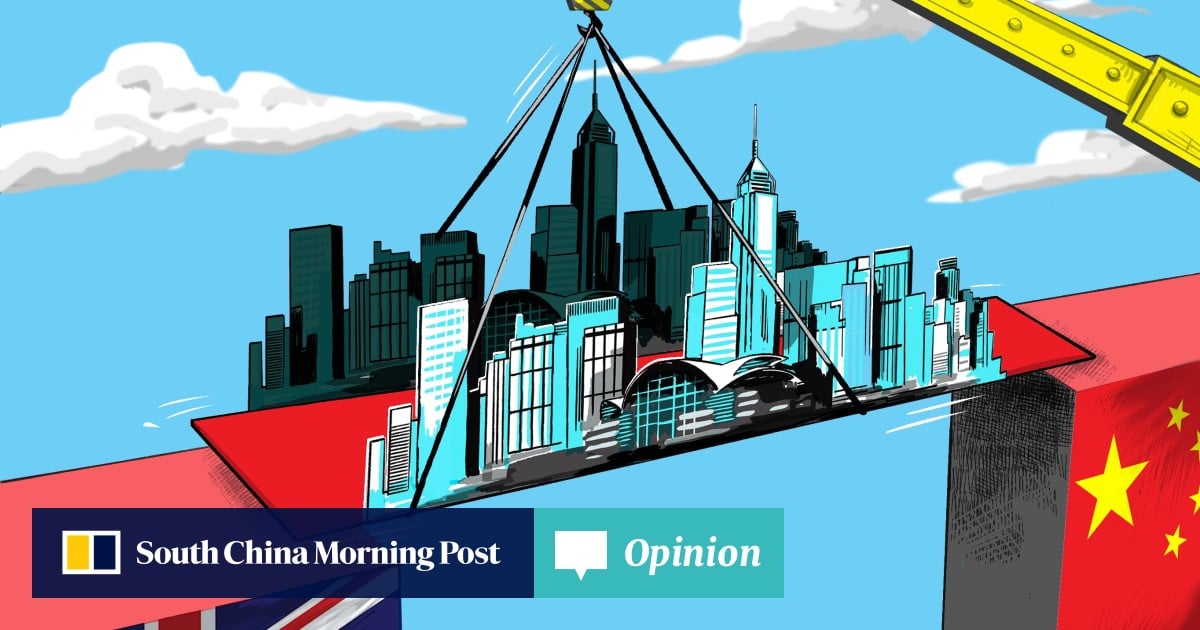
Second, Starmer highlighted the role of Hong Kong as a “unique and important bridge between the UK and China”. This is a view I have long advocated, given our city’s distinctive and rich cultural, institutional and interpersonal ties with the UK.
Advertisement
As Washington continues to pull back from global public goods provision, both Beijing and London appear eager to fill the resultant vacuum in global governance. Xi and Starmer have made ameliorating the effects of climate change and governing the impacts of artificial intelligence (AI) policy priorities.