
This post was originally published on this site.
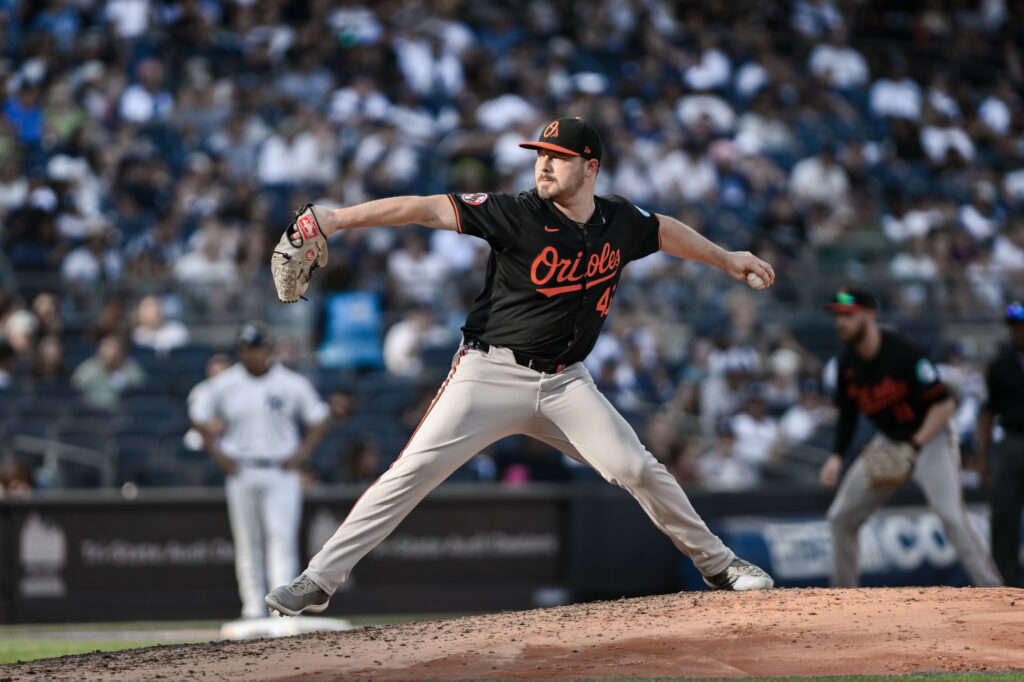
Left-hander Keegan Akin lost his arbitration hearing against the Orioles, per Mark Feinsand of MLB.com. He will earn $2.975MM in 2026. Akin filed at $3.375MM but will earn $400K less than that figure in his final trip through arbitration. Akin is a client of All Bases Covered Sports Management.
The 30-year-old (31 in April) has thrown 368 innings for the Orioles since debuting in 2020. He spent his first two seasons in 2020-21 as a swingman before converting to a full-time reliever in 2022. He had a 3.20 ERA in 81 2/3 innings that year and stood out with a 49.3% groundball rate and just a 6.1% walk rate. He struggled mightily in 2023, posting a 6.85 ERA in 23 1/3 innings and missing most of the season with a lower back injury. He had his best season in 2024. Akin had a 3.32 ERA in 78 2/3 innings that year while posting career-best strikeout and walk numbers (24.9% K-BB rate).
This is the first instance of a team winning an arbitration hearing this offseason. Players had been 5-for-5 before Akin’s defeat. The left-hander is in his final year of arbitration. He made $825K in his first trip through the process, then $1.475MM last season. Akin and the Orioles were able to come to an agreement before heading to an arbitration hearing the first two times.
Akin stepped into the closer’s role over the final two months of the 2025 campaign after Felix Bautista went down with a shoulder injury and Seranthony Dominguez was shipped to Toronto at the trade deadline. The lefty picked up eight saves across August and September, though he also blew three opportunities. Akin’s handedness and middling velocity don’t make him an obvious closer candidate, but he entered the offseason as the potential favorite for the role. Baltimore then added a pair of backend arms in Ryan Helsley and Andrew Kittredge, all but guaranteeing Akin will slide back into a role geared toward the 7th and 8th innings.
Last season saw Akin make a pair of pitch arsenal adjustments. He bumped his changeup usage to a career-high 19.9%. The pitch held opponents to a measly .103 batting average. It was his most effective offering in terms of Run Value (+6). Akin also tweaked the movement of his fastball, adding two inches of horizontal break and more than an inch of vertical drop. That tweak did not go so well, as hitters slugged .566 against Akin’s heater. It generated a negative Run Value for the first time in his career.