
This post was originally published on this site.
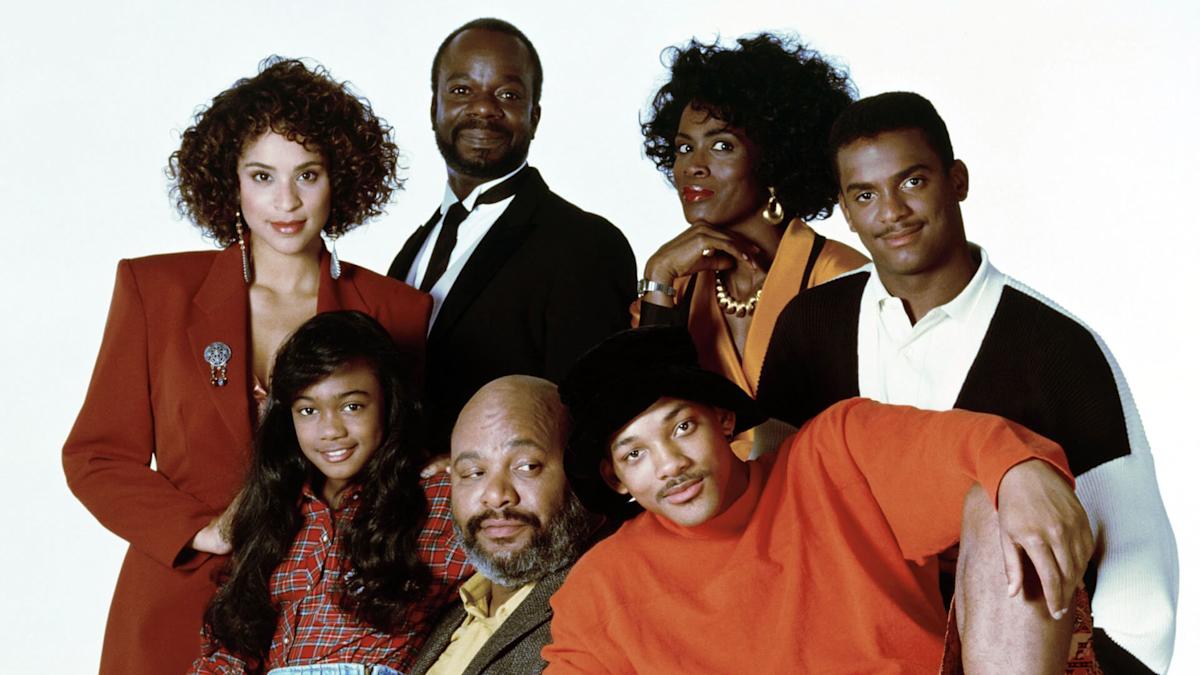
In the 1990s, the Banks family on “The Fresh Prince of Bel-Air” represented a specific kind of success. Philip Banks was a powerful judge. The family lived in Bel-Air, sent their children to private schools and employed full-time household staff. It was an elite lifestyle, but it didn’t feel cartoonish or absurd.
Today, that same setup raises a different question: What would it actually take to sustain that level of financial ease in 2026?
The answer isn’t about trivia or nostalgia. It’s about how the economics beneath that lifestyle have changed.
This math matters because many people feel financial pressure even when they’re doing everything “right.” They earn well, manage debt responsibly and save consistently — yet stability can still feel fragile. For most households, a lifestyle like the Banks family’s isn’t reachable without an entirely different financial strategy.
Discover Next: 10 Celebrities Who Were on SNAP Before They Got Rich
Find Out: 6 Subtly Genius Moves All Wealthy People Make With Their Money
The Banks family’s version of “doing well” wasn’t overtly flashy. There were no private jets, superyachts or celebrity parties. There was a large home, stable routines and money that rarely needed to announce itself — part of what made the lifestyle feel aspirational rather than absurd.
They owned a home in Bel-Air, sent their children to private schools, employed full-time household staff and drove multiple vehicles without worrying about tradeoffs or repair bills.
According to Zillow, homes in Bel-Air frequently sell in the eight-figure range. But the ownership costs don’t stop there. Property taxes, insurance, maintenance, landscaping, and security turn housing into a permanent financial commitment rather than a milestone you absorb and move past. These aren’t expenses you grow out of. They follow the household year after year, even after the home is paid off.
The Banks family employed Geoffrey Butler. Household staff come with salaries, benefits and turnover costs that add up quickly, especially in high-cost markets.
And we can’t forget education. According to tuition data analyzed by the Southern Association of Independent Schools, median private school tuition reached about $31,000 per year in 2024, placing many independent schools firmly in five-figure territory before extracurriculars or college preparation. For families with more than one child, that cost multiplies quickly, and it tends to rise year after year.
Consumer Price Index data from the U.S. Bureau of Labor Statistics show steady increases in shelter and service-related categories, including utilities, transportation services and other labor-driven costs.
In short, wealth comes with its own costs, and staying rich is expensive.
Taken together, the costs of housing, education, staff and everyday living suggest that maintaining the Banks family’s level of financial ease today requires far more than a high salary.
According to Richard McWhorter, managing partner and private wealth advisor at SRM Private Wealth, sustaining that lifestyle now requires deep, durable wealth.
“I would estimate that the net worth needed to sustain that lifestyle today would be in the $50 to $100 million net worth area,” McWhorter said.
He added that the real challenge isn’t the lifestyle itself, but keeping pace with rising costs over time.
“The main risk at any level of wealth is spending habits, which include taxes and inflation increases,” McWhorter said. “Understanding and maintaining a high standard of living, as long as spending is at or below the level of active and passive income, is essential to maintain that level of worth.”
In other words, income can support the lifestyle. Wealth keeps it from unraveling. That kind of wealth typically comes from long-term asset accumulation, business ownership or inherited capital, and not salary alone.
The Banks family didn’t live extravagantly, but they were wealthy and secure. That distinction matters because security at that level has a cost.
What this illustrates is that maintaining wealth is expensive. The higher the lifestyle, the more it costs simply to keep everything running smoothly.
Wealthy households don’t have fewer money problems — they have different ones. Instead of worrying about making ends meet, the pressure shifts to managing rising costs, protecting assets and ensuring income and investments can keep up. Earning well isn’t the finish line. Staying comfortable is its own financial challenge.
More From GOBankingRates
This article originally appeared on GOBankingRates.com: How Much Would the Fresh Prince of Bel-Air Family Need to Stay Rich in 2026?