
This post was originally published on this site.
The four Big Tech “hyperscalers” — Microsoft (MSFT), Alphabet (GOOGL, GOOG), Amazon (AMZN), and Meta (META) — are on track to spend upward of $650 billion on artificial intelligence investments this year.
Amazon said on Thursday it would invest about $200 billion in capital expenditures in 2026, an announcement that followed Alphabet telling investors on Wednesday its capex would fall between $175 billion and $185 billion this year.
Late last month, Meta told investors it would spend anywhere from $115 billion to $135 billion in 2026, while Microsoft’s annual run rate for its 2026 fiscal year, which began in July, would put the company on pace for capital expenditures of $145 billion.
At the low end of that range, the four would spend about $635 billion, marking a roughly 67% spike from the companies’ $381 billion in expenditures in 2025. At the high end of their guidance, the group would spend around $665 billion, or a 74% jump from the previous year.
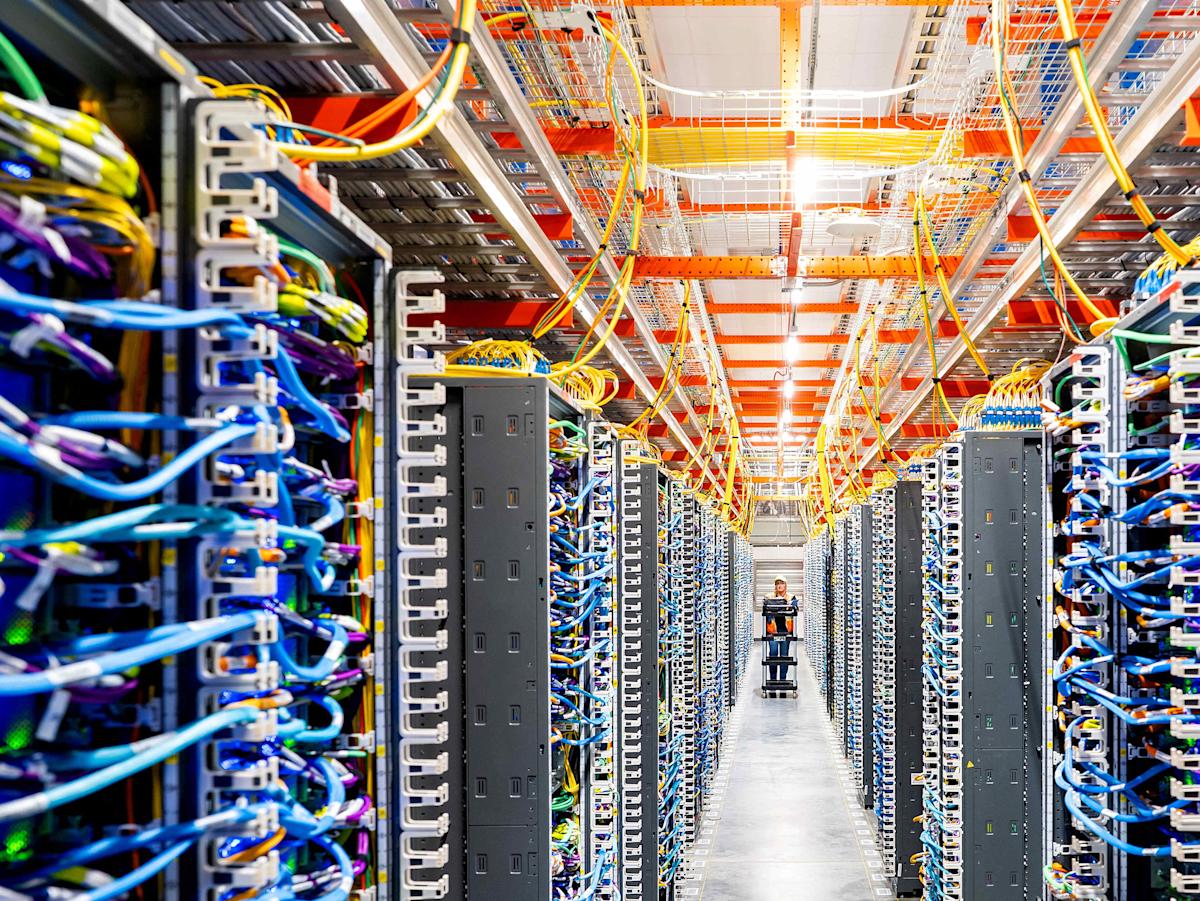
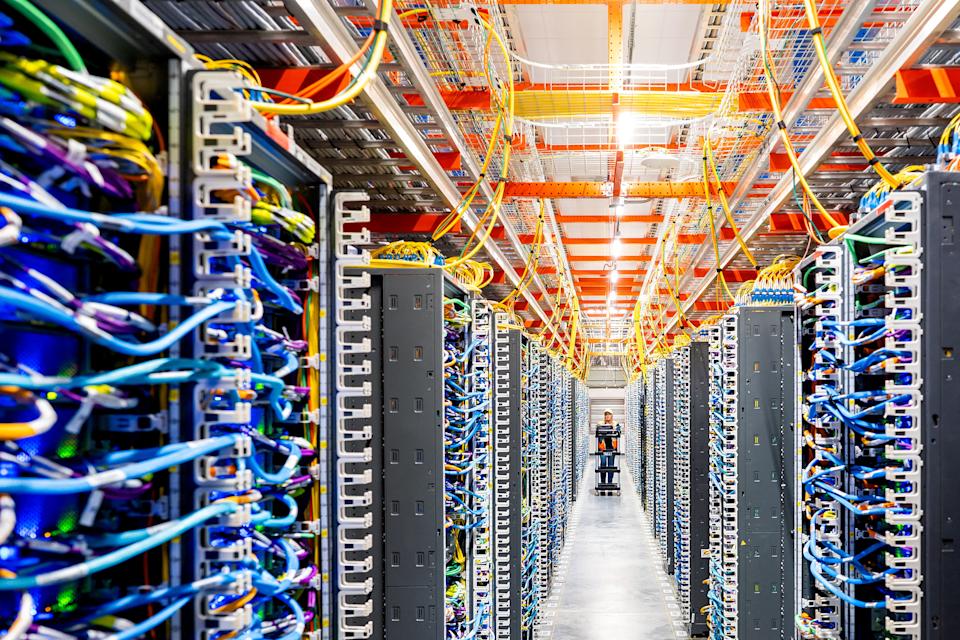
The vast majority of that spending will go to AI chips, servers, and data center infrastructure, the companies said.
Investors have expressed some misgivings about these new spending plans.
Amazon stock fell more than 8% on Friday following the company’s announcement. Alphabet shares fell 3% following their announcement, and Microsoft stock fell over 11% after its quarterly results, which were also tainted by slightly slower growth in its Azure cloud unit.
Meta stock rallied after the company announced its quarterly results and spending plans, which revealed how AI is boosting the social media giant’s ad revenue.
DA Davidson analyst Gil Luria said the cautious approach to tech stocks amid the spending hikes shows investors showing “very healthy” caution.
”The skepticism is probably healthier than any previous cycle I’ve seen,” he said. Investors are placing more scrutiny than before on how tech giants are generating returns on their investments in AI infrastructure, as fears of a market bubble mounted in the latter half of 2025.
Read more: How to protect your portfolio from an AI bubble
“ [Investors are] going to wait to see the returns that the companies are promising them in order to increase the price they’re willing to pay for these stocks.”
The good news: Higher scrutiny applied to AI stocks could mean less potential for the market to grow even frothier after a huge run-up in the last few years.
Additionally, investors are beginning to believe in the transformative effect AI could have on enterprises, as new tools from Anthropic and the success of Google’s Gemini 3 have gained traction, Luria said. Their focus has shifted to finding areas of the market that could be negatively impacted by the evolving tech, namely in the software space.