
This post was originally published on this site.

Savannah Guthrie and siblings ask to bring their mother home
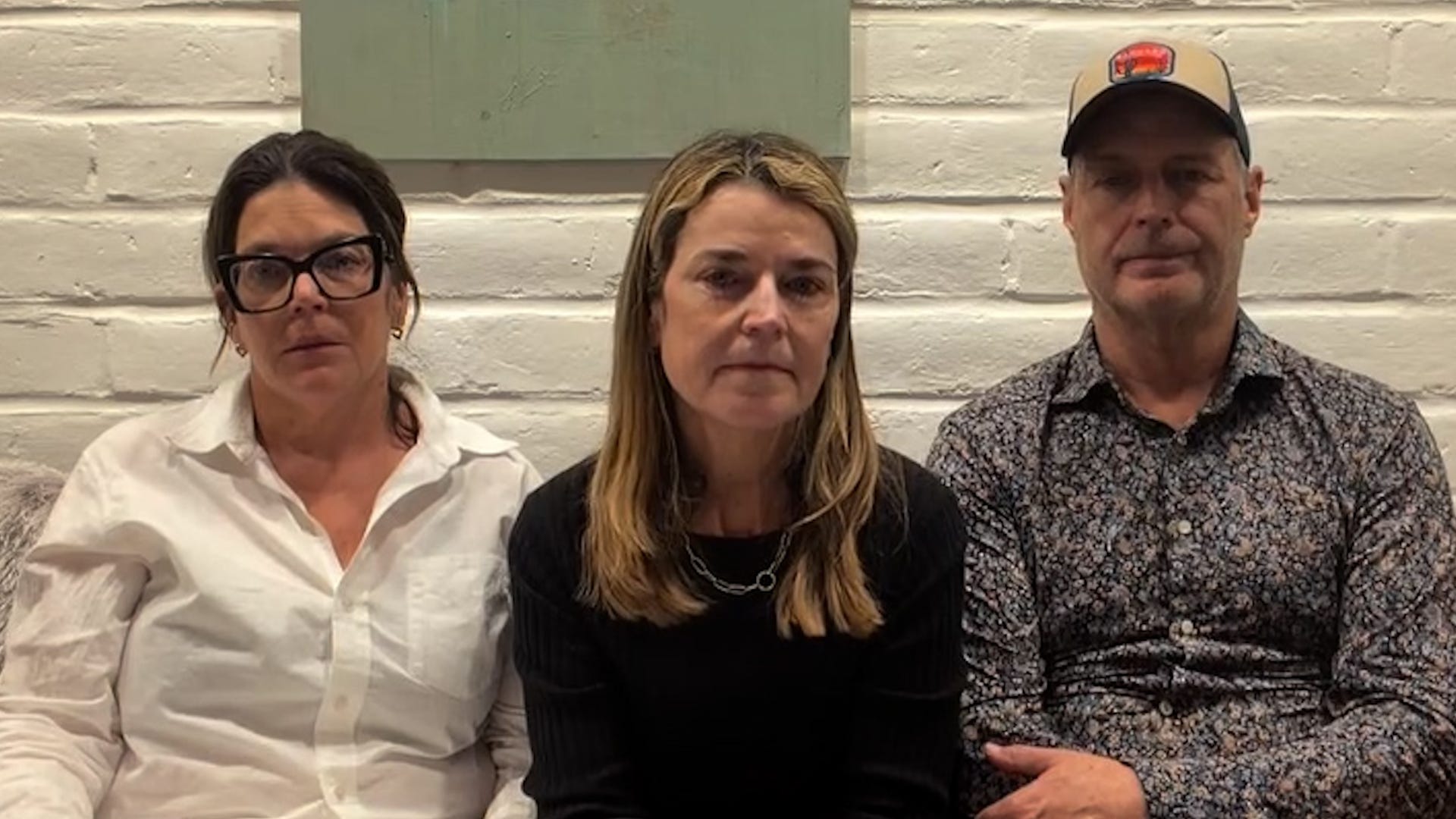
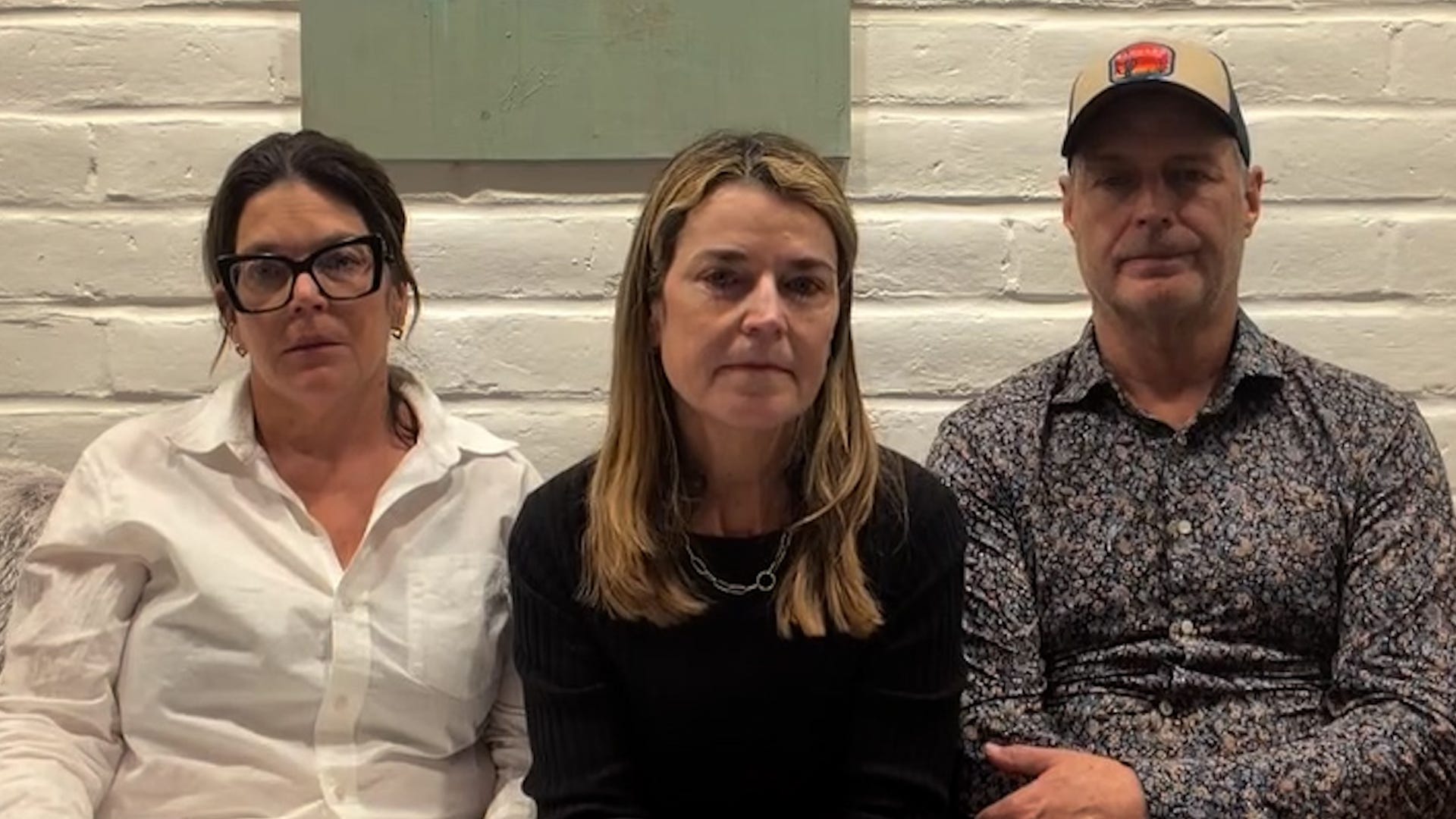
Sitting in between her siblings, “Today” anchor Savannah Guthrie made an emotional plea on social media to have her mother brought home.
Amid the hunt for “Today” cohost Savannah Guthrie’s mom Nancy Guthrie, TMZ and an Arizona CBS News affiliate report receiving demands for millions in Bitcoin for her release.
TMZ said its note demanded millions of Bitcoin cryptocurrency and provided a specific Bitcoin address. The outlet reported that it has verified the validity of the address.
While investigators continue to evaluate the validity of the notes, some Americans may wonder if the Bitcoin address would be enough to find the culprit or at least narrow the search for the kidnapper.
It’s not that simple. Here’s what to know about Bitcoin.
How do Bitcoin transactions work?
Once someone establishes a Bitcoin wallet with a private key that makes the wallet unique to that user, a first Bitcoin address will be generated where you can receive or send Bitcoin. People can create more addresses.
It works much like an email address someone might use to correspond with others, except that each Bitcoin address should only be used once. For enhanced privacy, each transaction should use its own Bitcoin address, according to Bitcoin.org, an open-source, community-driven website that provides Bitcoin education.
Different addresses hide or scatter transactions, making them harder to link to one person. People can use the same address, but patterns of money going in and out of that address will be visible.
Knowing the address of transactions still doesn’t reveal its owner because addresses are pseudonymous and unattached to emails, phone numbers or street addresses. More sophisticated tools would be needed to dig further.
Why would someone choose to receive ransom in Bitcoin?
“Criminals demand ransom payments in cryptocurrency because it is quick, efficient, and they can easily verify if and when payments are made,” wrote Angelena Bradfield and Stephanie Wake at bank advocacy group BPI in 2021.
According to Bitcoin.org, here are some features criminals may like in Bitcoin:
- A person’s identity in a Bitcoin transaction is difficult to trace. Bitcoin doesn’t require any ID to use and the software for transactions can be installed by anybody worldwide.
- Using different addresses each time, and maybe even different wallets, for various purposes isolates each transaction, making it difficult to tie them together to one person.
- Transactions are fast, cheap, irreversible (like cash) and can be done 24 hours a day, seven days a week, 365 days a year.
- IP addresses (similar to a street address for your Internet device) can be hidden so a person’s location may not be easily discerned.
Can investigators ever find the Bitcoin address owner?
Finding the owner of a Bitcoin address is nearly impossible, said Ken Gray, professor in the Department of Criminal Justice and Criminology at the University of New Haven and former FBI agent.
“Crypto’s not trackable,” Gray said. “It’s outside the banking system. You can’t find the owner. That’s why it’s the currency of choice for criminals.”
Money transferred by PayPal or Venmo could be traced, and “no one wants to carry a big suitcase of cash,” Gray said. “Crypto is the modern way of transporting large amounts of money” quietly.
What about stories of crypto recoveries by investigators?
There are many stories of investigators recovering billions of dollars in cryptocurrency. But Gray said those cases usually begin by tracing a person through something physical, like an email or call, that leads them to the cryptocurrency.
In Guthrie’s case, the investigation might begin with the ransom notes the media outlets received, he said. Investigators could try to trace the emails. If the criminal’s a professional, the person may have used an anonymous email that passes through several networks to get to the recipient. That may make it more difficult to trace, but the FBI can sometimes exploit vulnerabilities.
As for the crypto itself: “It’s not leading to the person who’s requesting it,” Gray said.
Medora Lee is a money, markets, and personal finance reporter at USA TODAY. You can reach her at mjlee@usatoday.com and subscribe to our free Daily Money newsletter for personal finance tips and business news every Monday through Friday.