
This post was originally published on this site.
Few things are as bracing as a good dose of irony.
Staff writer Kevin Baskins‘ featured story about the implications of artificial intelligence for the Des Moines metro’s economy-leading financial industry contains a rich example: The supercomputer that OpenAI used to develop ChatGPT, the interactive system that powers Microsoft AI applications, including Copilot, happened to have been housed in one of Microsoft’s data centers in West Des Moines.
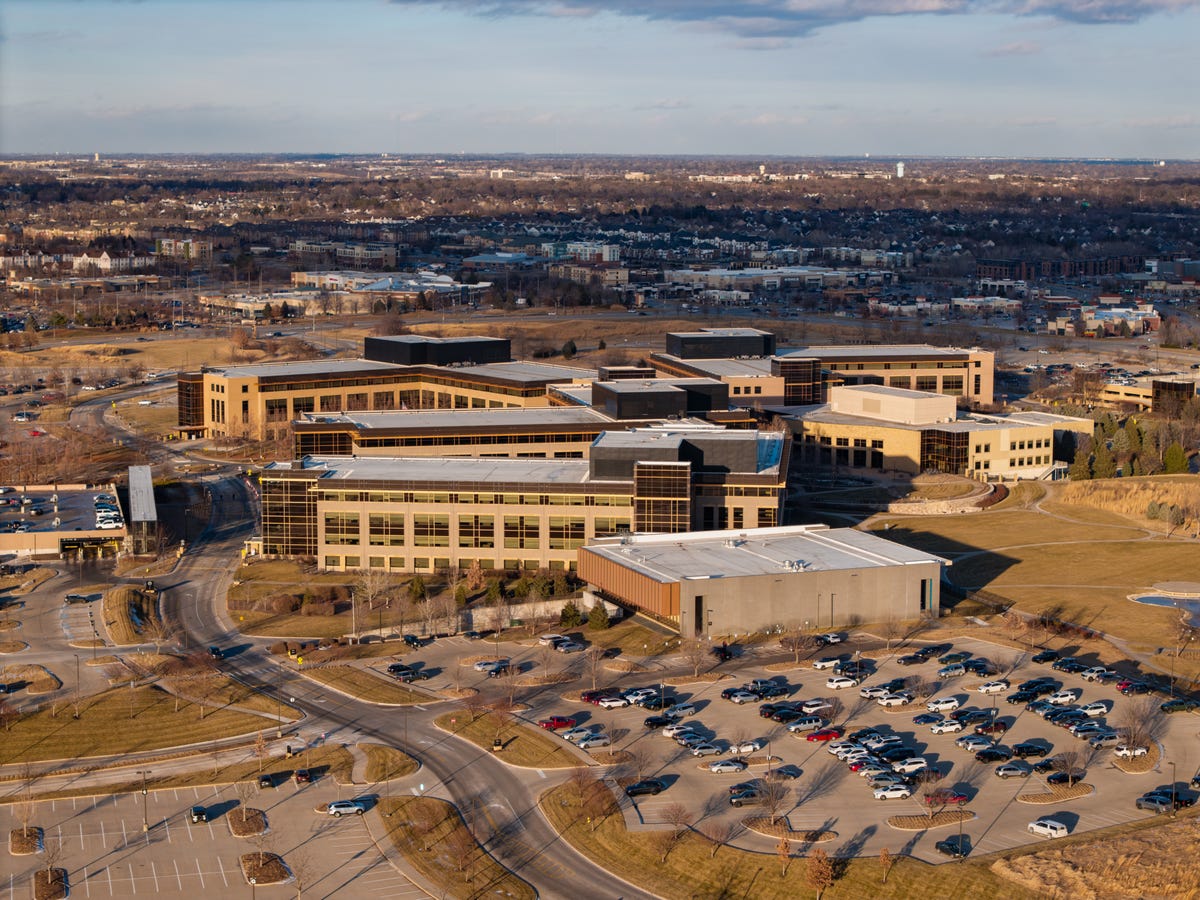
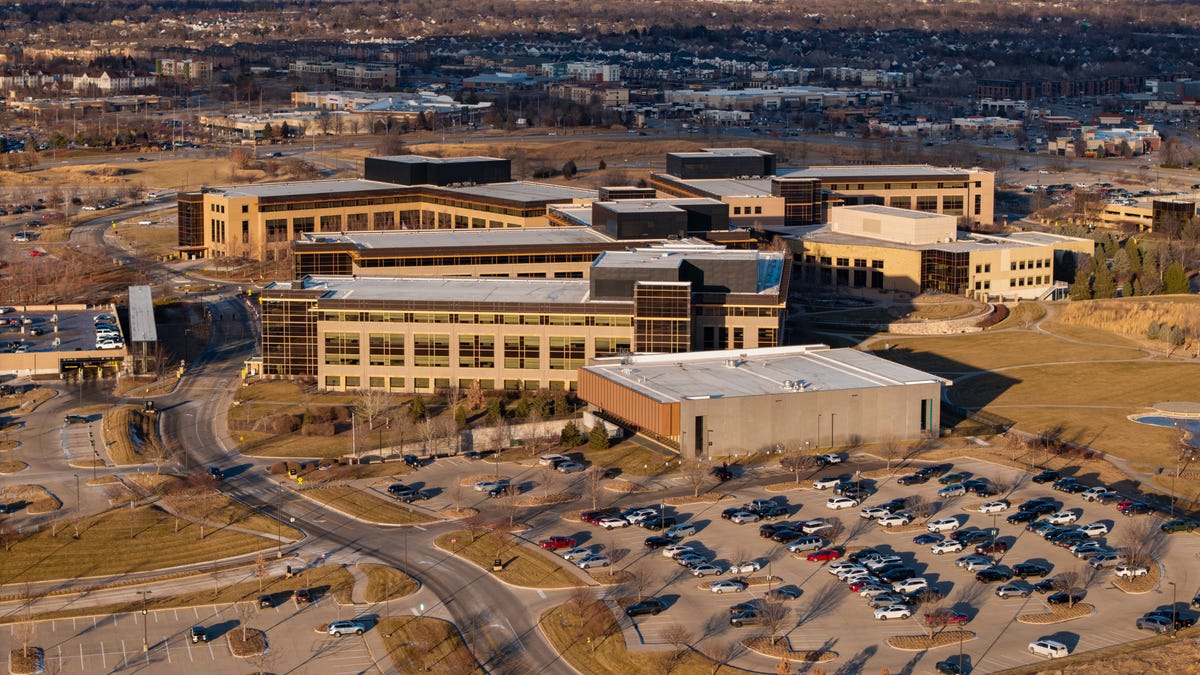
Why is that an irony? The same West Des Moines is home to Wells Fargo’s sprawling office campus; Athene, the company that manages a mind-boggling share of U.S. pension plans; Farm Bureau Financial Services; GuideOne Insurance; American Equity Investment Life Insurance; and dozens of similar finance and insurance firms.
And as Kevin’s story points out, industry leaders like Wells Fargo’s Charlie Scharf and JPMorgan Chase’s Jamie Dimon have openly acknowledged that AI is likely to take over some of the jobs people now do in their highly quantitative industry.
So what does that mean for metro Des Moines, where companies like Principal Financial, EMC Insurance, Wellmark Blue Cross Blue Shield and Nationwide Mutual Insurance are anchors of the Iowa capital’s downtown?
The Des Moines Register reported in 2024 that finance employment in the metro has been trending down from a peak reached in 2017. Does the growth of AI portend even tougher times for those who make their living in finance?
And what about the local communities that depend on their earnings? As Kevin cheekily notes, AI doesn’t pay taxes. Or, to extend the observation, it also doesn’t buy the new homes going up in suburban boomtowns like Waukee, Bondurant and Ankeny. Or eat at local restaurants, buy gas at Casey’s or shop at Hy-Vee.
The answer Kevin’s story provides through interviews with people, including a University of Iowa student planning a finance career, a city planner trying to anticipate employment trends and respected academics known for their economic forecasts, is both encouraging and bracing, just like the irony of the origin of some of the most widely used AI applications.
It includes an intriguing question: If AI decimates entry-level jobs in finance, where will the future leaders of the sector come from?
See “AI arrives: Are the robots coming for your job?” for that and other thought-provoking insights.
A plug for my own work
And now let me pitch something of my own creation. I love history. I read books on it. I feast on podcasts like “And the Rest is History,” despite Tom Holland’s terrible imitations of historic figures. I tour battlefields and historic homes. And every Sunday, I provide the “From the Archives” feature in the Des Moines Sunday Register.
I love stories, and true ones are better than just about anything that can be made up. In Sunday’s print edition of “Archives,” for example, includes an item from 1976, when Jimmy Carter’s Iowa caucus win put the wind in his sails that would propel him to the Oval Office ― and turn Iowa into a destination for everyone seeking to do likewise. It also allowed me to remind readers that what we now know as ethanol was called “gasohol” when it debuted some 45 years ago. And that when it was reported in 1986 that the 1830s-vintage Iowa State Penitentiary was slated for replacement, a couple of imaginative entrepreneurs thought maybe they could turn it into an Alcatraz-like tourist attraction (it now is, though not as the profit-making venture they envisioned).
I’ve also become familiar with some fascinating Des Moines lore, including the public pronouncements on everything from gambling to dancing by the endlessly outspoken James Cavender, the English-born police chief who presided in the city from 1924 to 1927; countless tales of exploits by the operators of Des Moines’ abundant speakeasies, many of which survived the end of Prohibition because of the draconian Iowa laws on liquor-by-the-drink that persisted into the 1960s; and shenanigans like the tale of the pair of Des Moines girls who, star struck by nascent Hollywood in 1921, got some boys to drive them to the edge of town, then set out on a hike to California, only to be picked up and sent home when they reached Waukee.
Join me each week for these and other tales about Des Moines’ and Iowa’s surprisingly colorful past. Maybe you’ll recognize one of your ancestors in the always entertaining mix.
Bill Steiden is the business and investigative editor for the Des Moines Register.