
This post was originally published on this site.
Tariffs imposed by the Trump administration contributed to a decline in Maine exports to Canada and fewer northern neighbors coming to visit the Pine Tree State this year.
Overall, exports from Maine to Canada are down nearly 20%, according to information Wade Merritt, president of the Maine International Trade Center, shared with the Legislature’s Maine-Canadian Advisory Commission during a meeting Dec. 10. He also said Canadian tourism fell from 7% of all visitors to the state in 2024 to just 4% in this year.
Merritt said tariffs have “defined trade policy in 2025” and will continue to next year, but the decline in exports can also be attributed to multiple economic factors such as changes in commodity prices and supply chain shifts. And despite the downturn, he conveyed a sense of optimism that there continues to be opportunities across the border.
Last year, Maine exported $1.3 billion worth of manufactured items to Canada, which is about 40% of what the state sells globally, Merritt said.
However, as of August, exports to Canada (excluding petroleum) were down 18%. Natural resources including pulp, paper, lobster and salmon are leading the decline, Merritt said, but there are also losses in manufacturing.
President Donald Trump has argued that one goal of the tariffs is to encourage domestic manufacturing and the purchasing of American-made products.
A recent survey from Pan Atlantic Research found that nearly a third of Mainers believe that tariffs are bad for the state because they drive up costs and hurt businesses.
Maine’s trade relationship with Canada is unlike that with any other country, Merritt explained. He described it as “familial” due to the binational communities that exist along the border and credited in-person interactions with helping sustain the relationship.
For example, he mentioned Gov. Janet Mills’ June visit to New Brunswick and Nova Scotia to encourage Canadians to continue to visit Maine. That trip spawned a friendly soccer match between the Portland Hearts of Pine and Canada’s Halifax Wanderers.
“We certainly see opportunity across the border continuing despite the headwinds,” Merritt said.
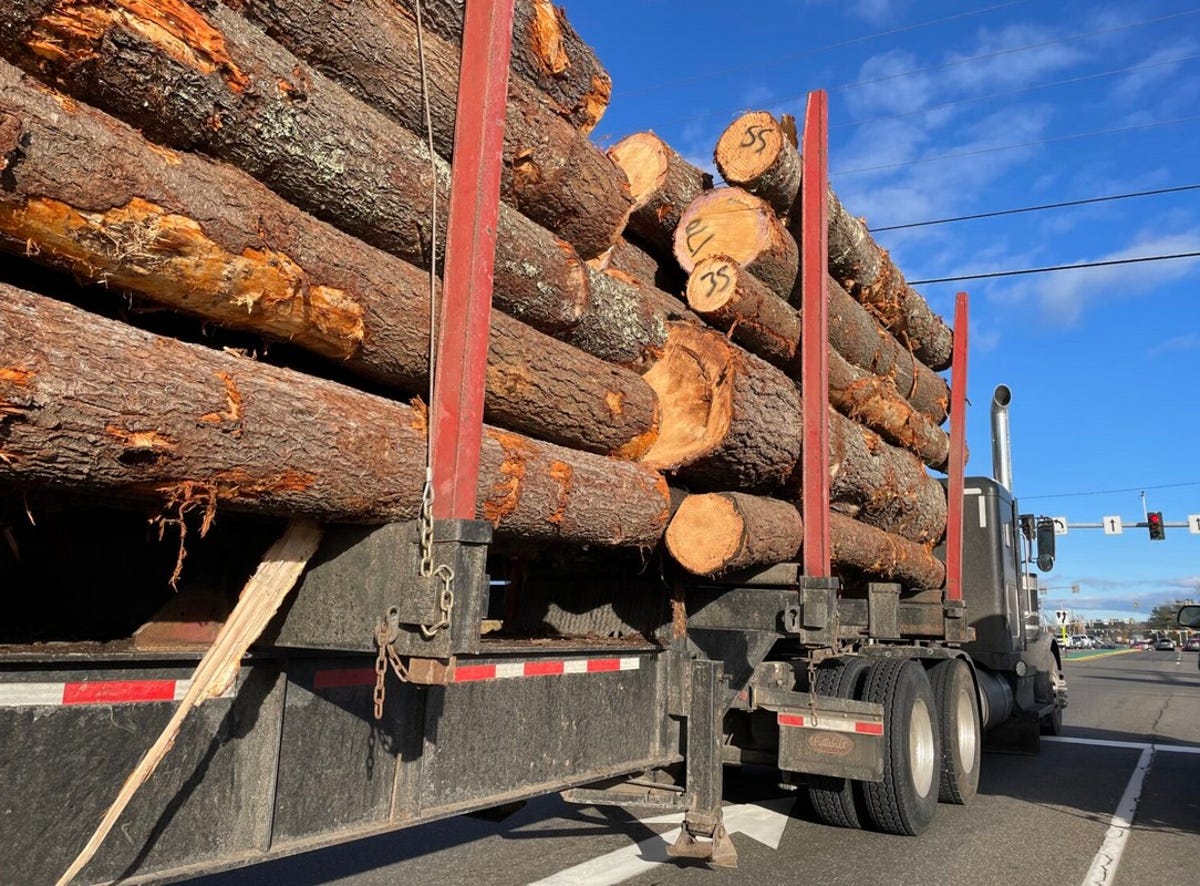
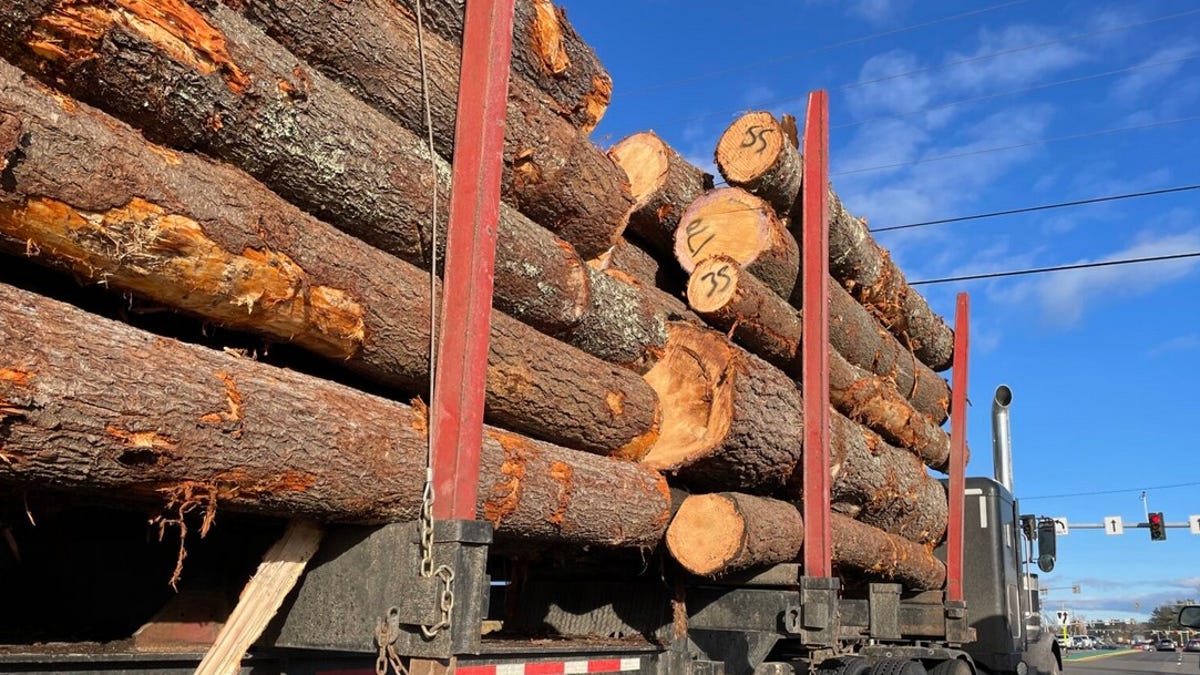
Forest products taking a big hit
Experts from the state’s forest product industry told the commission Dec. 10 that the new tariffs imposed in October were particularly challenging for pulp and paper sales.
This builds on reports from August that the tariffs drove up lumber prices.
Dana Doran, executive director of the Professional Logging Contractors of the Northeast, said the last eight weeks have been “chaotic” for the pulp and paper sector because of the 10% tariff imposed on certain lumber products that started in mid-October. Because pulp mills often buy wood from Canada and export their finished product, they have been hit double by the new taxes, he noted.
“Many of our folks have said that this is the worst they have ever seen in 50 to 60 years in business,” Doran said.
Technological changes over the past few decades were already forcing the forest product industry into a transition, but tariffs have had an impact beyond that, said Ellen Parent of the Maine Forest Products Council.
Doran said he frequently hears from logging contractors that they would get out of the business if they had another opportunity. More than a dozen organization members in Aroostook County said that they have worked on the same land for 35 years but won’t have a job next year because the tariffs are making it so much harder to sell wood.
While he hopes there is a resurgence of pulp markets and a drop in interest rates to fuel more home construction in the coming years, Doran said mills won’t be successful if that workforce isn’t there to harvest the wood.
He suggested the lawmakers look for opportunities to prioritize Maine wood, such as large-scale heating projects or a policy to use Maine wood when building new houses. Doran also pointed to a new low-interest loan program from timber harvesting contractors that could be utilized, as well as a proposed sales tax exemption for logging trucks and trailers that could be funded and finally passed.
The commission meeting concluded without committing to next steps but the members plan to reconvene in the new year.