
This post was originally published on this site.
” data-image-caption data-medium-file=”https://candysdirt.com/wp-content/uploads/2025/12/Untitled-design-41-300×229.jpg” data-large-file=”https://insidernarrative.com/wp-content/uploads/2025/12/Untitled-design-41.jpg” src=”https://insidernarrative.com/wp-content/uploads/2025/12/Untitled-design-41.jpg” alt=”crypto mortgage” class=”wp-image-410398″ srcset=”https://insidernarrative.com/wp-content/uploads/2025/12/Untitled-design-41.jpg 840w, https://candysdirt.com/wp-content/uploads/2025/12/Untitled-design-41-300×229.jpg 300w, https://candysdirt.com/wp-content/uploads/2025/12/Untitled-design-41-768×585.jpg 768w” sizes=”auto, (max-width: 840px) 100vw, 840px”>
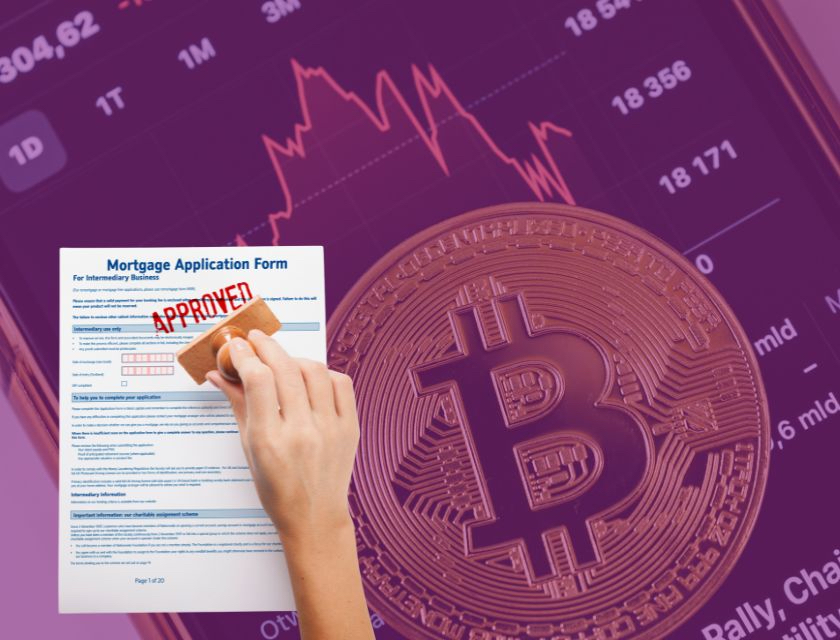
Who would’ve thought even 10 years ago that cryptocurrency would become such a part of the American financial scene that you could use it to buy a home without converting it to cash? Well, that’s where we are now. It’s such an institution that crypto mortgages have entered the lending space.
I’m clearly behind the times because when I first heard about this I couldn’t wrap my mind around how a crypto mortgage could work. Cryptocurrency has largely been embraced as a speculative instrument. Consequently, it can be extremely volatile. Bitcoin, for instance, easily the most well known and established cryptocurrency, had a bit of a crash out earlier this year — nothing like it’s seen in the past, though.
Regardless, there’s more crypto being held by Americans than ever before, valued in the billions of dollars. Early adopters, in particular, have become incredibly wealthy. The catch is, though, if they want to access that wealth, they have to pay capital gains tax on it.
Now, of course, a private transaction between two parties with crypto wallets is always on the table, but most sellers these days aren’t quite ready for that.
“Our typical customer is someone that basically bought Bitcoin 10-11 years ago. They bought $10,000 worth and that Bitcoin today is worth anywhere from $5-10 million depending,” said Josip Rupena, founder and CEO of the crypto mortgage company Milo. “A lot of our customers fit within that sort of profile.”
” data-image-caption data-medium-file=”https://candysdirt.com/wp-content/uploads/2025/12/1627703752071-300×300.jpeg” data-large-file=”https://candysdirt.com/wp-content/uploads/2025/12/1627703752071.jpeg” src=”https://candysdirt.com/wp-content/uploads/2025/12/1627703752071.jpeg” alt=”Josip Rupena” class=”wp-image-410400″ srcset=”https://candysdirt.com/wp-content/uploads/2025/12/1627703752071.jpeg 488w, https://candysdirt.com/wp-content/uploads/2025/12/1627703752071-300×300.jpeg 300w, https://candysdirt.com/wp-content/uploads/2025/12/1627703752071-150×150.jpeg 150w” sizes=”auto, (max-width: 488px) 100vw, 488px”>
He told CandysDirt.com that many of them are entering prime home-buying age but have been renting because traditional mortgage underwriting doesn’t treat crypto as income or a qualifying asset, and, of course, they’d prefer not to liquidate their holdings and have to pay X amount in taxes.
“Essentially, that’s been an invisible part of their net worth, and when they come across a company like ours that’s saying we’re going to underwrite you because you have Bitcoin, then that changes the decision for them,” Rupena said.
A licensed mortgage lender in 10 states, Milo will finance 100% of a home purchase with a dual-collateral mortgage. The borrower posts Bitcoin or Ethereum equal to the full sales price with one of two approved custodians: BitGo or Coinbase. At the same time, Milo puts a standard mortgage lien on the home. If the cryptocurrency’s value drops significantly, borrowers can either add more to the collateral stock, pay down part of the loan, or they can do nothing — in which case Milo liquidates only enough crypto to bring the loan-to-value back into a safe range without triggering foreclosure.
“If they don’t make payment, we can actually sell a little bit of the Bitcoin and keep them current before they go into foreclosure,” Rupena said.
Earlier crypto loans in the market weren’t designed for home purchases. They required heavy overcollateralization (200% or more) and could trigger instant liquidations if the value of Bitcoin fell. Rupena said his company’s model allows borrowers to keep their cryptocurrency, avoid capital gains taxes, and become homeowners, all while managing volatility without prompting foreclosures or margin-call spirals.
“We were really trying to solve for those three points with our product,” Rupena said.
Milo was a pioneer in the crypto mortgage frontier, and it looks like it could face some competition in the years to come if cryptocurrency becomes further institutionalized in the housing space. Earlier this year, President Donald Trump directed federal agencies to begin devising a framework in which cryptocurrency can be considered as an asset for the purpose of securing a mortgage without liquidation.