
This post was originally published on this site.
The U.S. Is Ceding Its Africa Trade Advantage
Renewing the African Growth and Opportunity Act would protect U.S. jobs and economic power.
After 25 years, the African Growth and Opportunity Act (AGOA)—the landmark policy on U.S.-Africa trade—expired on Sept. 30, 2025. To encourage investment and trade diversification, AGOA accorded 32 sub-Saharan African countries privileged access to U.S. markets by eliminating export tariffs on more than 1,800 products. Although congressional legislation to extend the program has passed in the House, it must still clear the Senate and be signed into law amid continued debates over the federal budget—and even if enacted, current proposals largely amount to short-term continuity. This uncertainty for long-term investors underscores the importance for a durable and predictable U.S.-Africa trade framework to achieve mutual prosperity.
From the United States’ perspective, AGOA has consistently contributed to U.S. economic and strategic interests by supporting jobs, increasing access to critical minerals, and enhancing energy security—all crucial goals for the Trump administration’s America First agenda. The State Department describes AGOA as “the cornerstone of U.S. economic engagement with the countries of sub-Saharan Africa.”
After 25 years, the African Growth and Opportunity Act (AGOA)—the landmark policy on U.S.-Africa trade—expired on Sept. 30, 2025. To encourage investment and trade diversification, AGOA accorded 32 sub-Saharan African countries privileged access to U.S. markets by eliminating export tariffs on more than 1,800 products. Although congressional legislation to extend the program has passed in the House, it must still clear the Senate and be signed into law amid continued debates over the federal budget—and even if enacted, current proposals largely amount to short-term continuity. This uncertainty for long-term investors underscores the importance for a durable and predictable U.S.-Africa trade framework to achieve mutual prosperity.
From the United States’ perspective, AGOA has consistently contributed to U.S. economic and strategic interests by supporting jobs, increasing access to critical minerals, and enhancing energy security—all crucial goals for the Trump administration’s America First agenda. The State Department describes AGOA as “the cornerstone of U.S. economic engagement with the countries of sub-Saharan Africa.”
The Biden administration signaled an interest in reforming and reauthorizing AGOA, and Congress introduced various bipartisan bills, but none were taken to a vote before the end of President Joe Biden’s term. Officials signaled interest in a one-year extension when President Donald Trump took office, but AGOA’s expiration date coincided with the annual budget deadline, and Congress was unable to reach an agreement—leading to a record-long 43-day government shutdown and the expiration of AGOA before legislation could be passed.
If AGOA is not renewed or replaced with a credible alternative, the United States would lose much more than a trade program: It would sacrifice one of its most important tools of economic diplomacy, weaken supply chain resilience, and signal unreliability as a partner precisely when Africa’s population, markets, and global influence are surging. As Congress considers proposals to extend AGOA, it must develop a framework that builds on AGOA’s past successes.
AGOA’s impacts on the U.S. economy cannot be understated. Despite underwhelming topline numbers—U.S. AGOA imports totaled $8 billion in both 2001 and 2024—the program has been essential to U.S. industrial capacity, supplying the necessary raw materials, components, and cost-effective inputs to make global U.S. production more competitive, enabling U.S. companies to manufacture more sophisticated, higher-value products domestically.
AGOA has supported an estimated 450,000 American jobs directly linked to U.S.-Africa trade and generated additional opportunities through integrated supply chains. In Michigan, the top U.S. state for automotive manufacturing jobs, supply chains for automakers such as Ford and General Motors import platinum and rare-earth elements from Africa to use in catalytic converters and advanced manufacturing. Michigan’s automotive and mobility sector employs more than 1.1 million workers, or 20 percent of the state’s workforce.
Additionally, Alabama’s pecan processing facilities were expanded to process African cashew nuts (the source of 58 percent of the global cashew harvest), allowing the United States to swap complex processing routes through India and Vietnam for direct processing in U.S. facilities and enabling year-round employment for previously seasonal workers. The Port of Virginia is employing Americans to handle the growing two-way trade with Africa as one of the country’s closest locations to West Africa. (The U.S. port and maritime infrastructure employs 1 in 8 workers, or 21.8 million jobs, in the United States and contributes $2.9 trillion in GDP.) And North Carolina—home to a textile industry that employs more than 33,000 people, the second largest in the United States—recently announced the export of 300 tons of premium-grade cotton from North Carolina to Mauritius.
Increased trade engagement with Africa through AGOA has also granted the United States greater supply chain security and critical minerals access. Leading AGOA beneficiaries are home to the world’s largest supply of minerals: 70 percent of the world’s manganese, 89 percent of platinum group metals, 54 percent of cobalt, 23 percent of graphite, and 10 percent of copper. Washington has thus had the opportunity to diversify supply chains; 98 percent of the U.S. chromium supply, 37 percent of its platinum (a key input for hydrogen fuel cells and power vehicles), and 29 percent of its manganese ores came from South Africa in 2021, and the United States has imported $6.1 million worth in cobalt from the Democratic Republic of the Congo, Madagascar, South Africa, and Zambia under AGOA.
Greater economic engagement with Africa has enabled the United States to bolster its battery supply chain. While the country is home to less than 1 percent of the world’s graphite reserves, Madagascar, Mozambique, and Tanzania together are home to almost the same amount of graphite as China. Australian company Syrah Resources has built a new graphite processing plant for electric vehicle batteries in Louisiana—the first of its kind in the United States—to help diversify away from China and increase U.S. competitiveness in the EV battery market.
Additionally, African apparel exports to the United States has nearly doubled over 20 years, while more than 76 percent of U.S. textile manufacturers reported using imported inputs. AGOA’s influence on the apparel industry has lowered prices for Americans, opened new markets for U.S. machinery and cotton, and created jobs. Africa accounts for 16 percent of the world’s cotton trade, offering Washington an alternative to Asia’s dominance in the apparel industry. Lead times to Africa are also much quicker than to Asia; deliveries take about 15-18 days from Togo’s Lomé port to the U.S. East Coast, compared with 50 days from China or Bangladesh.
Finally, economic engagement with Africa has proved crucial to U.S. energy security. The United States imports significant volumes of crude oil from AGOA beneficiaries such as Nigeria, Ghana, and Angola. This reduces U.S. dependence on Middle Eastern suppliers, creating a two-way energy relationship that benefits U.S. companies and workers while strengthening strategic partnerships with democratic African allies.
In Texas, energy companies are capitalizing on Africa’s growing refining capacity. Sunoco and Shell have imported the first shipments of refined gasoline from Nigeria’s new Dangote refinery, which has simultaneously become a major customer of U.S. crude oil. This arrangement is mutually beneficial: Nigerian refineries get higher-yield U.S. crude with better gasoline blending capabilities, while Texas crude producers gain a reliable customer as trade tensions make some Asian markets less accessible.
Read More
-
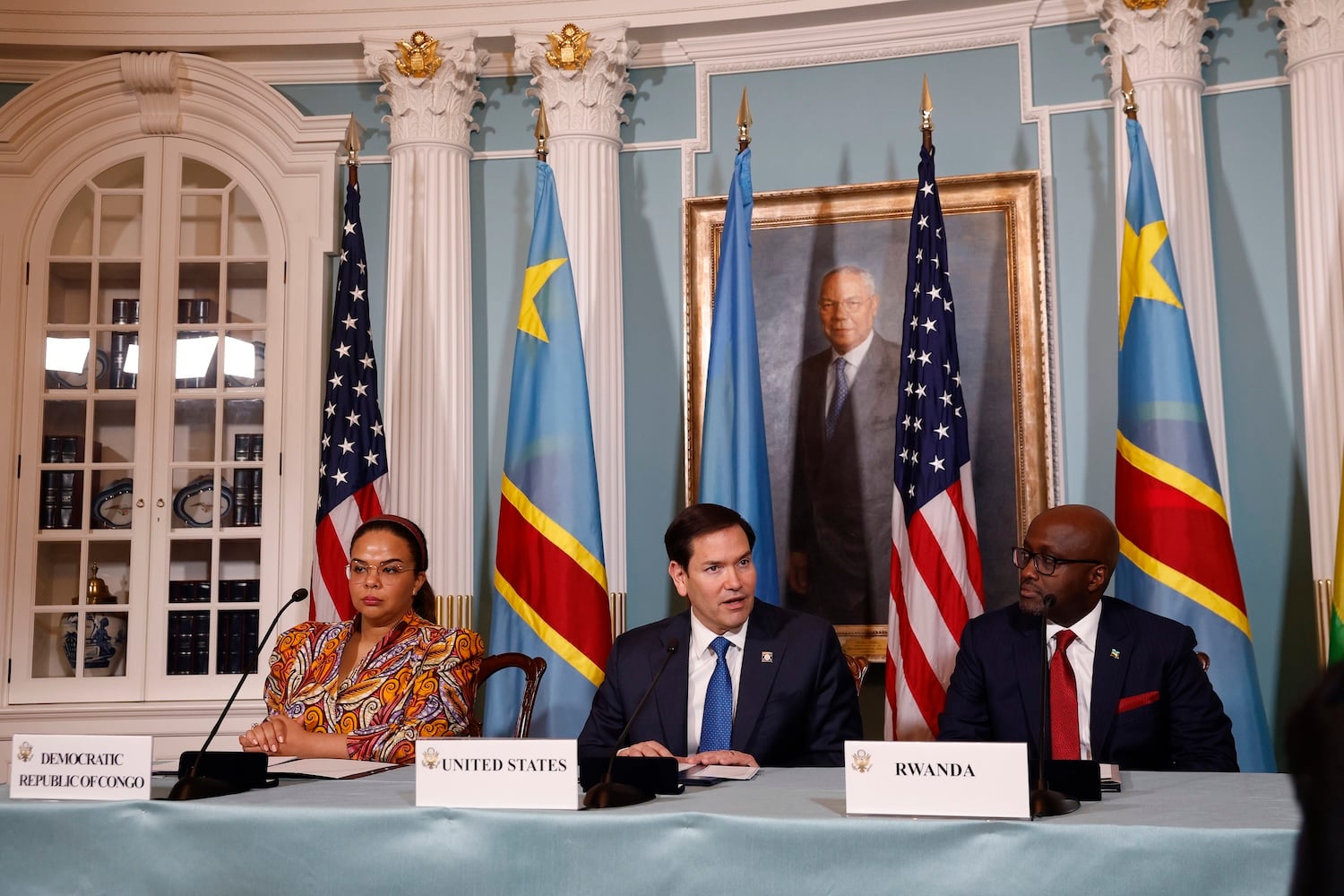
U.S. Secretary of State Marco Rubio delivers remarks alongside Democratic Republic of the Congo Foreign Minister Thérèse Kayikwamba Wagner (L) and Rwandan Foreign Minister Olivier Nduhungirehe during a Declaration of Principles signing ceremony at the State Department in Washington on April 25. U.S. Secretary of State Marco Rubio delivers remarks alongside Democratic Republic of the Congo Foreign Minister Thérèse Kayikwamba Wagner (L) and Rwandan Foreign Minister Olivier Nduhungirehe during a Declaration of Principles signing ceremony at the State Department in Washington on April 25. The ‘America First’ Case for U.S. Engagement in Africa
The Trump administration should embrace a smarter form of transactionalism.
-
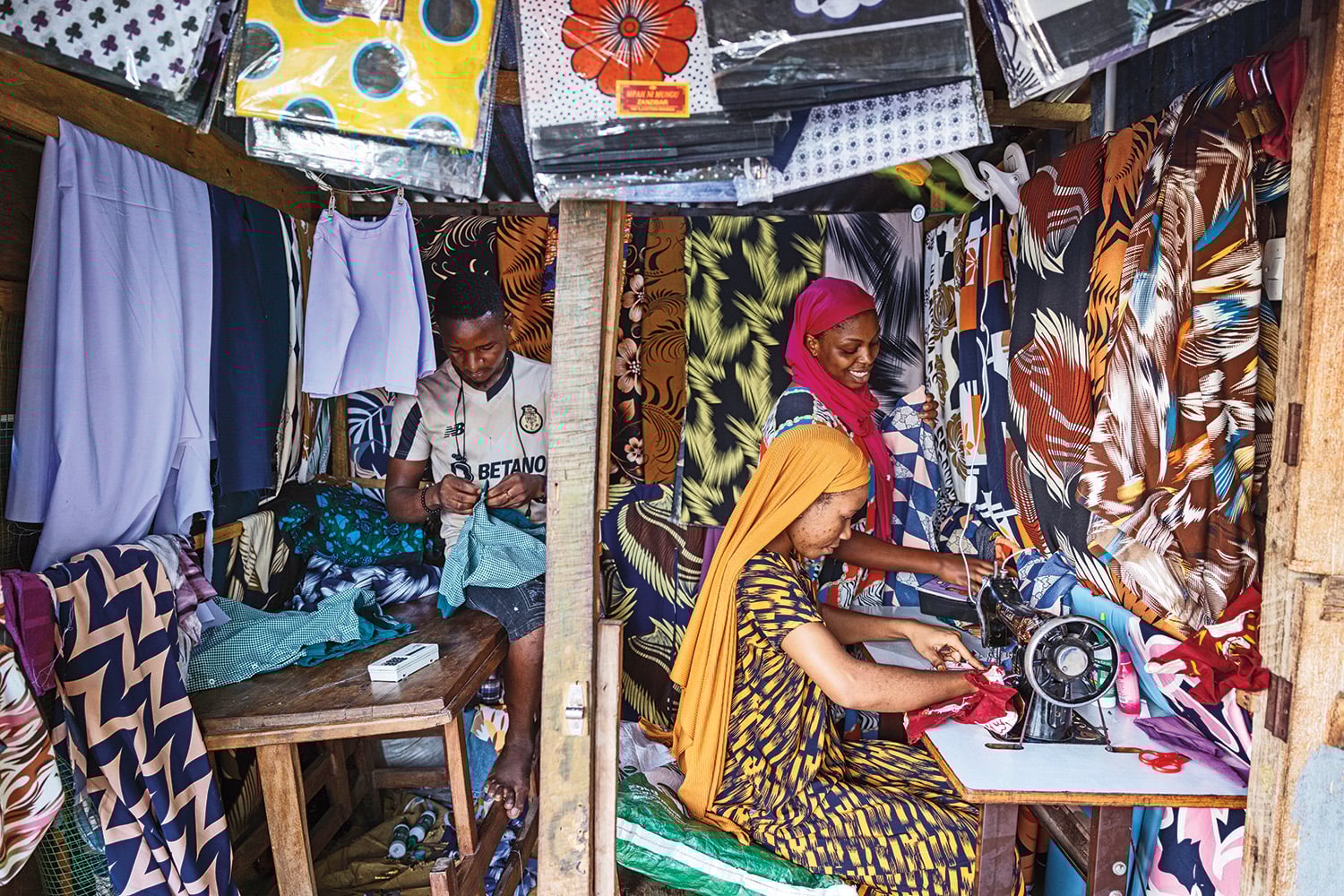
Two women work at a sewing machine in a booth filled with patterned fabrics. A man is seen working on fabric at a table on the left. Two women work at a sewing machine in a booth filled with patterned fabrics. A man is seen working on fabric at a table on the left. Africa Is Now Calling the Shots
Governments, civil society, and the private sector are reimagining development away from external interventions.
Between job creation, increased access to critical minerals, and oil sector impact, AGOA’s track record is well aligned with the Trump administration’s National Security Strategy. Reducing the U.S.-Africa trade relationship is counterproductive to the administration’s core priorities around economic prosperity and geopolitical power.
Trump’s tariff approach typically targets countries with high trade deficits, but Africa’s trade deficit with the United States reflects the U.S. need for natural resources from smaller economies with abundant reserves. Reducing trade decreases the likelihood that Africans will buy U.S. exports—a dangerous possibility given that Africa will be home to 42 percent of the world’s youth, with a middle class exceeding 500 million people, by 2030.
The market opportunity is staggering: If African Continental Free Trade Area (AfCFTA) implementation accelerates, Africa will have $6.7 trillion combined in consumer and business spending, with a population of 1.7 billion people, by 2030. This expansion creates opportunities for U.S. marketing, fintech, e-commerce, transport, logistics, and business services companies. With the AfCFTA, U.S. companies could source and add value across African borders without tariffs—but only if the United States maintains credible trade relationships.
Eliminating AGOA without extension or replacement also risks ceding geopolitical power to China. Beijing far outpaces Washington in total goods trade with Africa already, and after Trump’s tariff announcements last April, China diverted exports toward Africa, increasing African exports by 26 percent in August while decreasing U.S. exports by 33 percent. China also eliminated tariffs on all African imports in June, creating direct incentives for Africa to divert trade away from the United States.
The current U.S. dependence on China for critical minerals to power advanced technologies needed for defense, energy storage, medical technologies, and more makes securing access to Africa’s critical minerals crucial. While the Trump administration has signaled interest in cutting bilateral deals, such as the security deal with Congo and Rwanda in exchange for critical minerals access, access to broader continental opportunities requires sustained engagement tools.
Africa’s demographic powerhouse will inevitably drive future global consumption and production. By abandoning structured trade relationships, the United States risks ceding influence to China precisely as African nations gain weight in international forums. This shift could also fundamentally isolate Washington from the world’s fastest-growing economic bloc, to the direct detriment of U.S. companies. Without AGOA or a credible alternative, U.S. companies benefiting from low-cost, diversified sourcing in apparel, agriculture, and specialty goods could face higher costs and greater dependence on Asia, leading U.S. exporters to miss opportunities in one of the world’s fastest-growing middle-class markets.
AGOA’s current lapse need not equate to a total abandonment of U.S.-Africa trade relations. Congress can use this time to develop a framework that aligns with the Trump administration’s goals, giving the United States a strategic edge in global competition and prioritizing reciprocal partnerships. Congress should consider proposals not just to renew AGOA but to expand the agreement to include a wider range of sectors, negotiate a critical minerals agreement, and reduce barriers to digital trade.
The United States’ successful comprehensive trade framework negotiation with the European Union, despite its complexity as a multicountry bloc, indicates that it is possible for Washington to engage with new arrangements with the African Union or the AfCFTA to serve its own interests. The challenge lies in developing these alternatives quickly enough to prevent strategic losses and maintain supply chain relationships while the renewal bill journeys through Congress.
Regardless of how and to what extent AGOA may play a role in U.S.-Africa trade going forward, the United States needs a strategic plan. Prolonged uncertainty will create ripple effects for U.S. investment and national security, tarnish U.S.-African business partnerships, forego billions of dollars in potential gains, and cede ground to competitors when Washington can least afford it.
Landry Signé is a senior fellow at the Brookings Institution, professor and executive director of Thunderbird School of Global Management’s Washington Center, and co-chair of the Regional Action Group for Africa at the World Economic Forum (WEF). He is also a member of the WEF Global Foresight Network, Technology Convergence Initiative, and AI Governance Alliance.
Read More
-
U.S. Secretary of State Marco Rubio delivers remarks alongside Democratic Republic of the Congo Foreign Minister Thérèse Kayikwamba Wagner (L) and Rwandan Foreign Minister Olivier Nduhungirehe during a Declaration of Principles signing ceremony at the State Department in Washington on April 25. The ‘America First’ Case for U.S. Engagement in Africa
The Trump administration should embrace a smarter form of transactionalism.
-
Two women work at a sewing machine in a booth filled with patterned fabrics. A man is seen working on fabric at a table on the left. Africa Is Now Calling the Shots
Governments, civil society, and the private sector are reimagining development away from external interventions.
Stories Readers Liked
-

A large crowd of people carrying flags and holding signs with faces on them. -
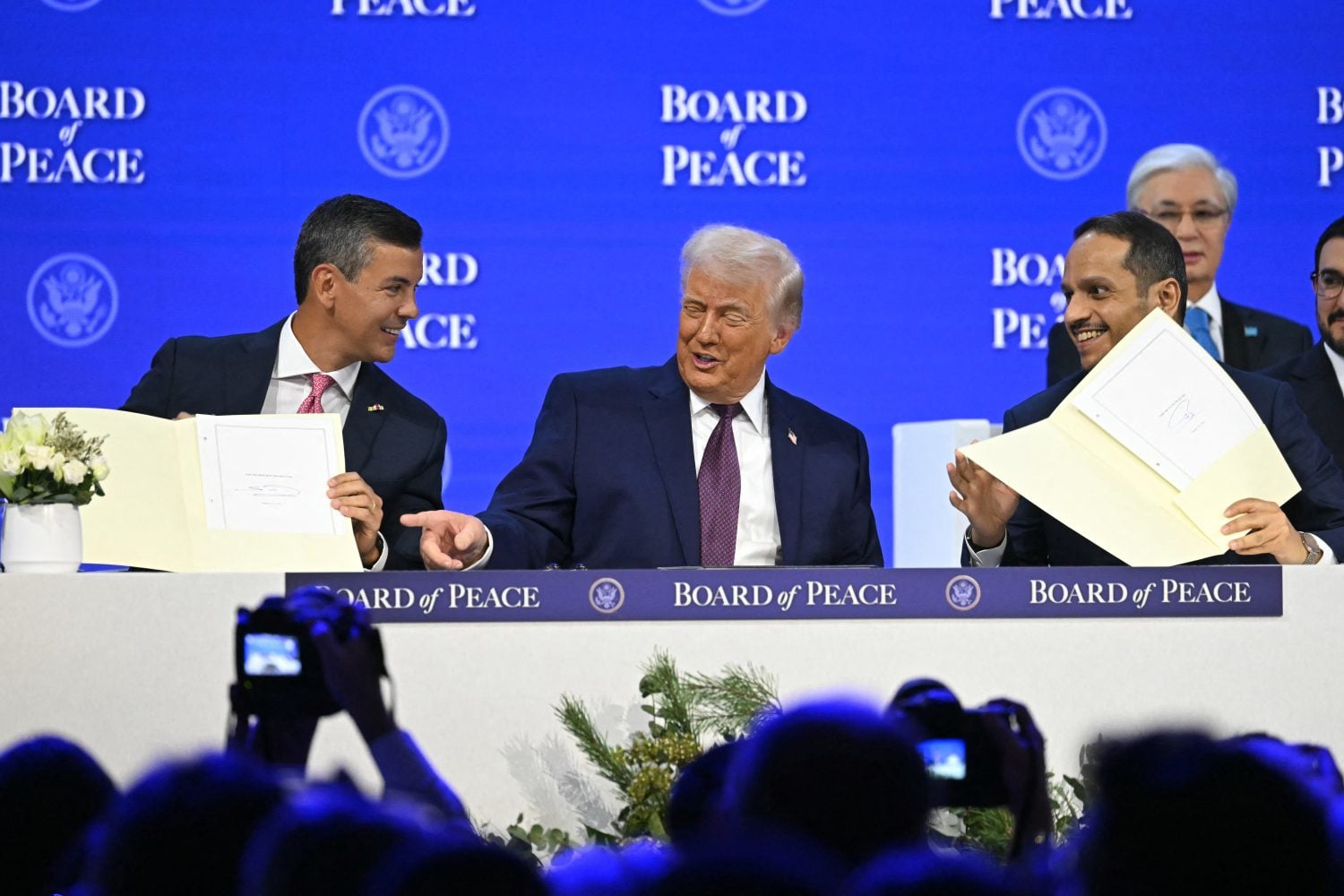
Paraguayan President Santiago Peña, U.S. President Donald Trump, and Qatari Prime Minister Sheikh Mohammed bin Abdulrahman bin Jassim Al Thani participate in the signing ceremony of the Board of Peace in Davos, Switzerland on Jan. 22. -
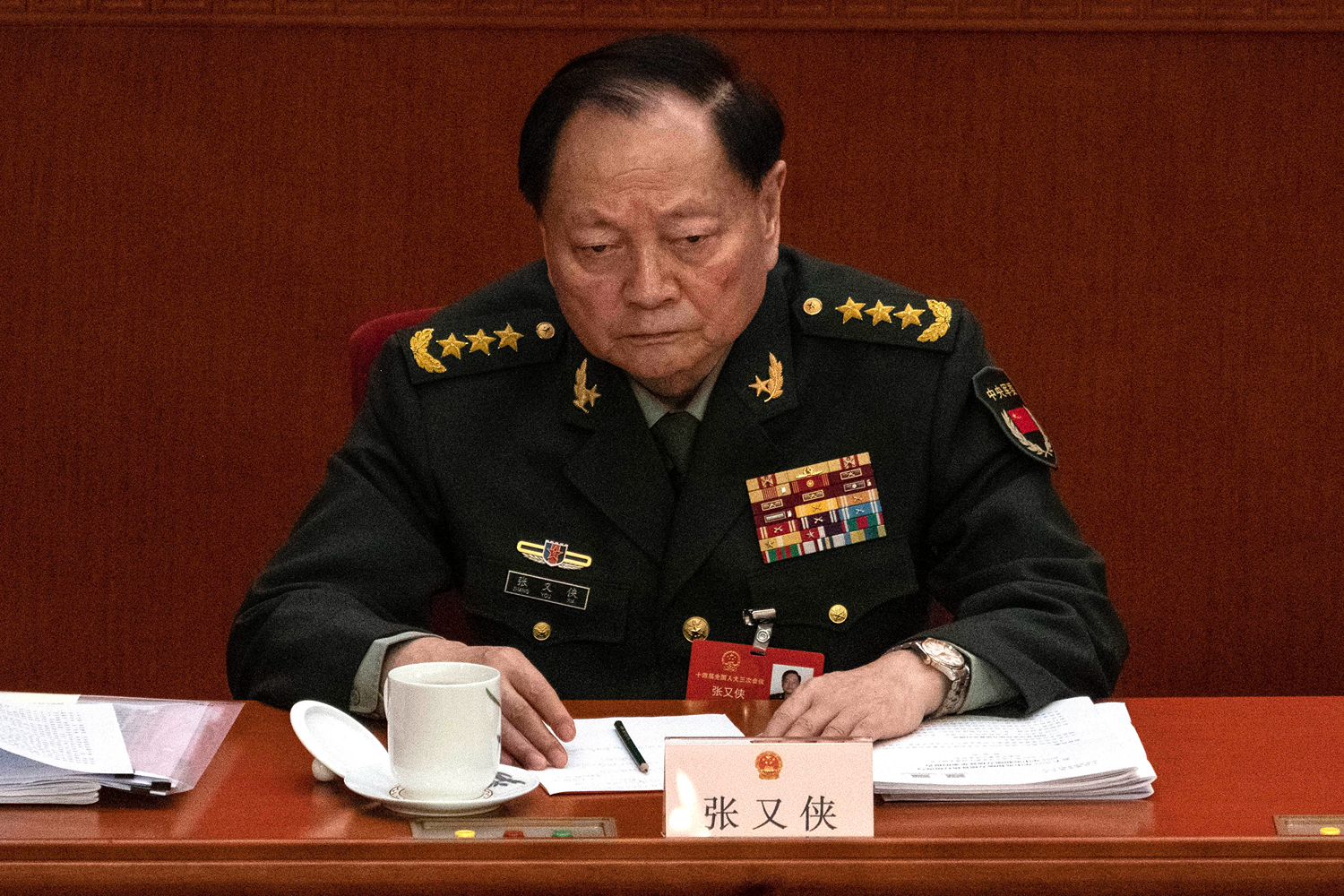
Gen. Zhang Youxia, then the vice chair of the Central Military Commission, attends the opening session of the National People’s Congress in Beijing. -

Ukrainian President Volodymyr Zelensky talking with officers at a map during his visit to the Donetsk region on October 14, 2019. -

Central American migrant children play on a seesaw at a shelter in Ciudad Juárez, state of Chihuahua, Mexico. -

An illustration shows Donald Trump from the nose down with a red oil rig as a tie. -
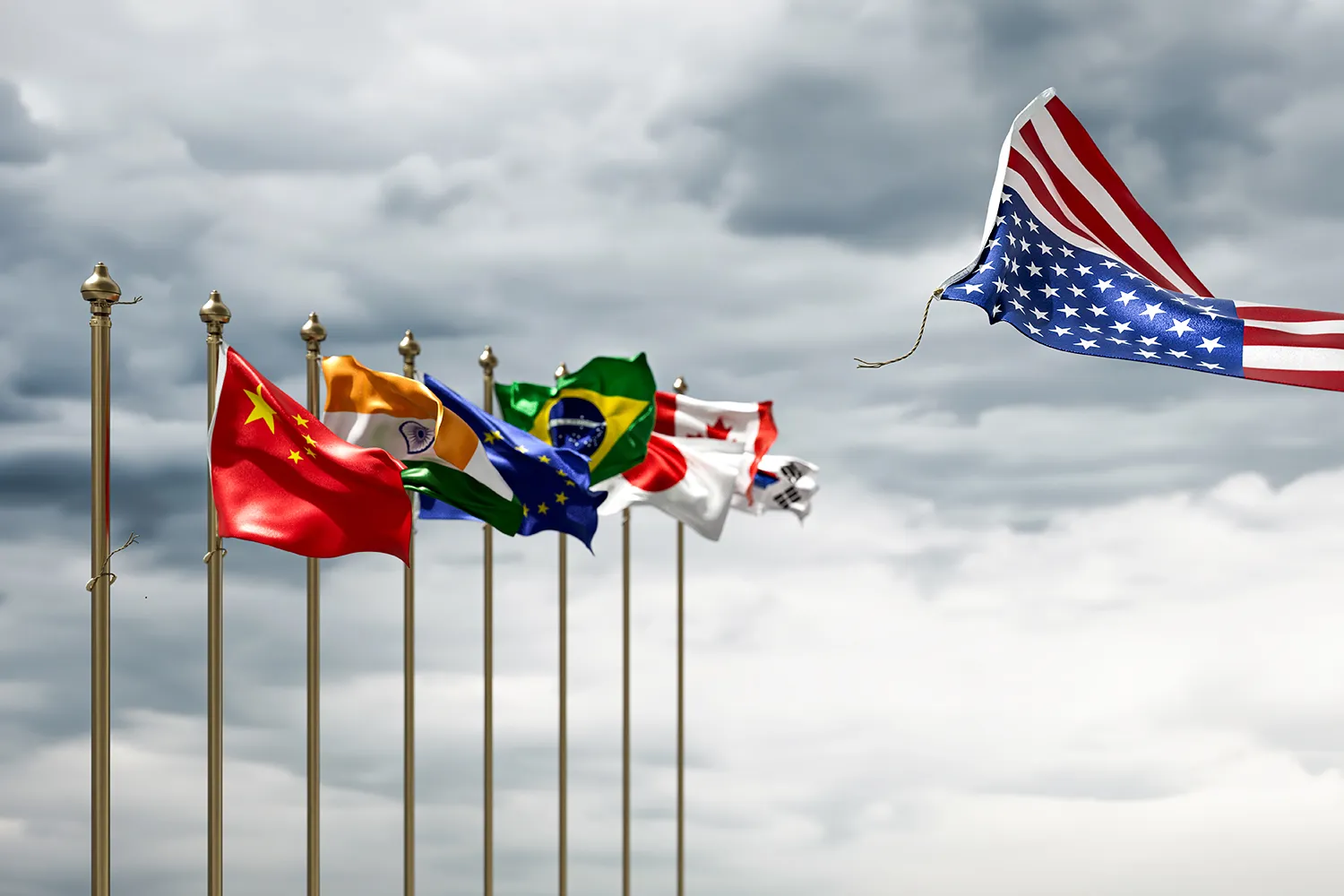
An illustration shows one empty flagpole alongside the flags of multiple countries. The U.S. flag is seen at far right, untethered, flying out of frame. -

An illustration shows two men against a bright yellow background. One man wears a Western-style business suit and the other wears a black robe and white head covering. The men are shaking hands. Each holds a briefcase with money spilling out, the left man’s briefcase shaped like the United States’ and the right man’s like the Arabian Peninsula. -

A man in a coat outside of a glass office building, with high rise buildings under construction in the background. -

Photos of two men speaking each shown as a negative color inside a red and blue circle.
Trump’s Board of Peace
Trump’s Board of Peace Cracks the BRICS Wall
The myth of a global south resisting U.S. hegemony melted away in Davos. 
-
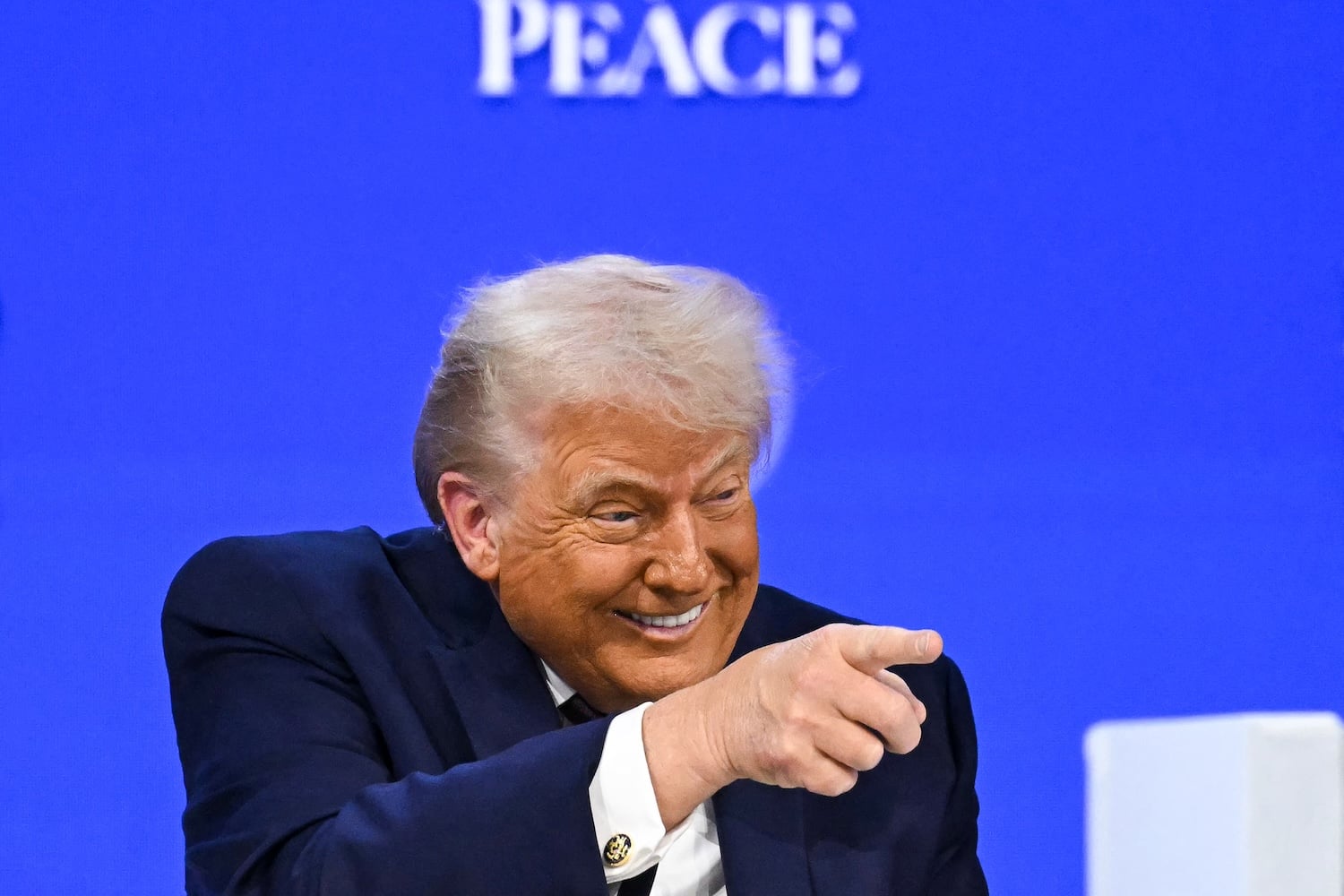
U.S. President Donald Trump speaks at the Board of Peace meeting during the World Economic Forum in Davos, Switzerland, on Jan. 22. -
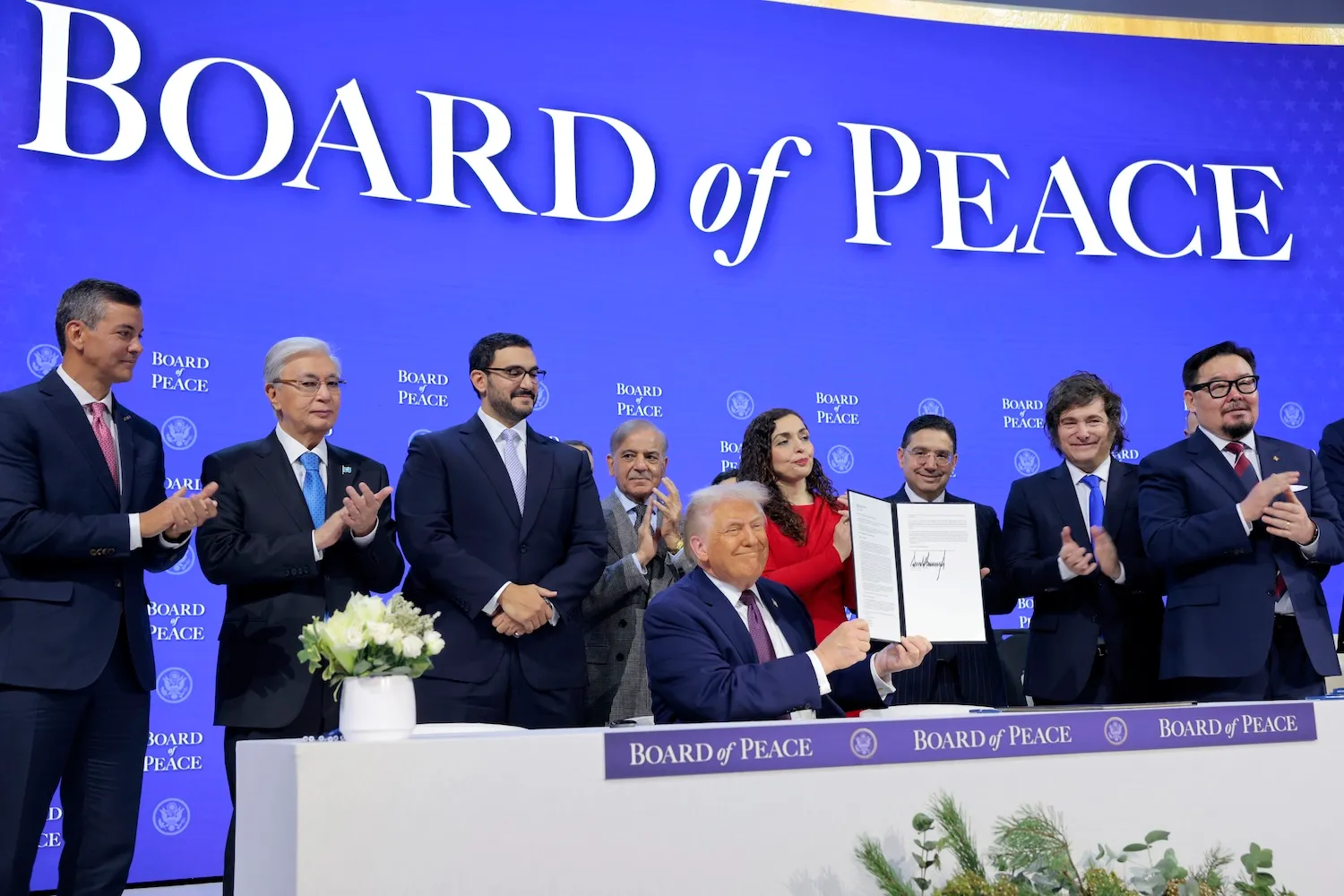
Trump beams and sits at a long table while holding up a folder containing printed text as well as his large signature. Other world leaders stand behind him, some with their hands clasped, some clapping. -

People walk past a heavily damaged building in Gaza City on Nov. 10, 2025.
Join the Conversation
Commenting is a benefit of a Foreign Policy subscription.
Subscribe
Subscribe
Already a subscriber?
.
View Comments
Join the Conversation
Join the conversation on this and other recent Foreign Policy articles when you subscribe now.
Subscribe
Subscribe
Not your account?
View Comments
Join the Conversation
Please follow our comment guidelines, stay on topic, and be civil, courteous, and respectful of others’ beliefs.
View Comments
Change your username |
Log out
Change your username:
CANCEL
Confirm your username to get started.
The default username below has been generated using the first name and last initial on your FP subscriber account. Usernames may be updated at any time and must not contain inappropriate or offensive language.