
This post was originally published on this site.
00:00 Julie
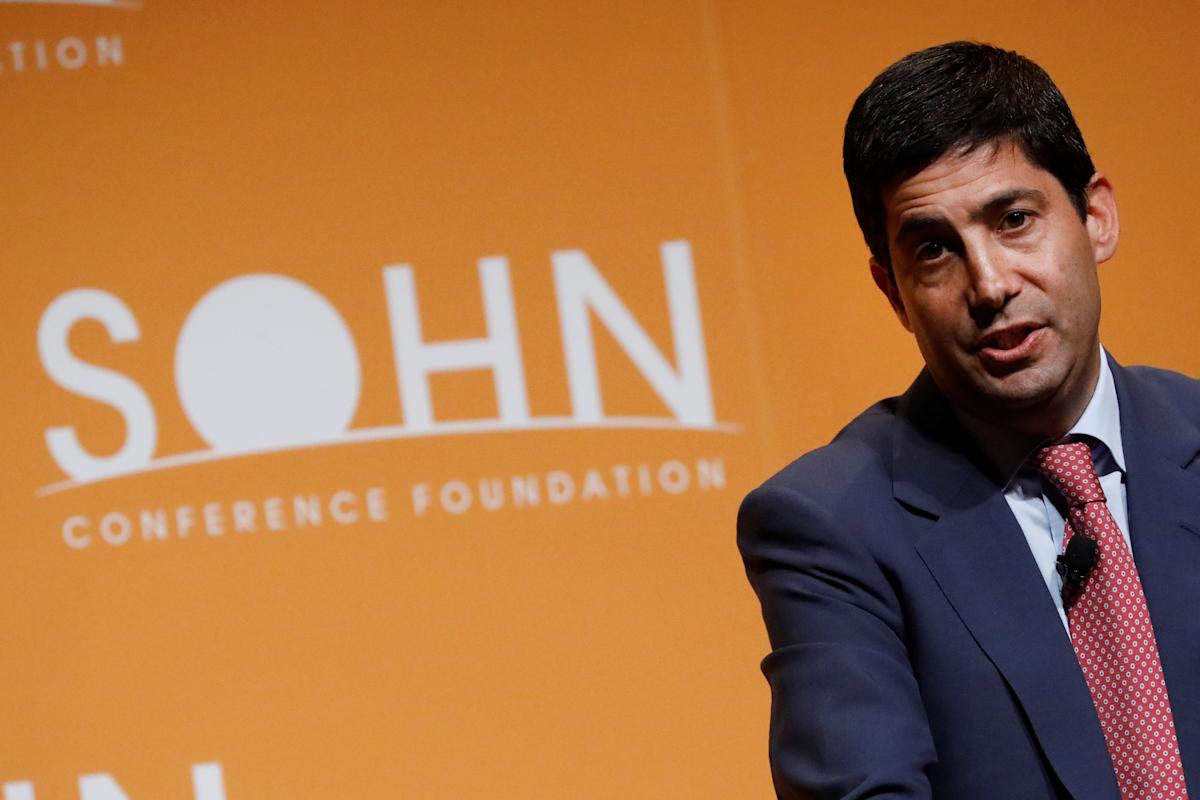
Jennifer mentioned the sort of history of Warsh here, uh that he served on the Fed during the great financial crisis and there have been a lot of questions about his positioning during that time. I mean, but how do we bring that to today and try to extrapolate what kind of Fed chair this guy’s going to be?
00:21 Speaker A
Well, I think the big the first question to ask is Kevin Warsha, man for all seasons or a chameleon. You know, he’s traditionally been leans to the hawkish side. He certainly has some what we’ll just call unorthodox views on the radical reduction of the balance sheet. You know, low rates, liquidity and leverage are the holy trinity of modern finance. We’ve got a $31 trillion dollar economy that demands a much larger balance sheet than what existed 20 years ago. A lot of times when I hear Kevin Warsha speak, I’m hearing an echo of 2007 where let’s just be blunt about this. He missed the mark. He was arguing for an over concern and and really too much of a focus on inflation at a time when the economy was experiencing a deflationary depressionary leg shock and unemployment was on its way to 10.1%. So there’s good reason out there why Wall Street is looking at this, at least interpreting it early as a hawkish appointment. and Mr. Orsch needs to be pressed inside the Senate Banking Committee on, will he preserve the Central Bank Independence? Just what does he mean by reducing the balance sheet? What does he want to go with reforming the Federal Reserve? And what’s his views on things such as reducing the supplemental leverage ratio within the context of financial deregulation, which is clearly going to be one of the big things this year, Julie.
02:08 Julie
Okay, Julian, let’s get to you because we are seeing yields come up a little bit on this nomination. Um, how do you think that what are the market implications of this pick?
02:22 Julian
Well, let’s step back for a moment, Julie and consider the horrendous inflation statistics we got at 8:30 this morning. And in fact, given those numbers, the yields are actually very tame. Uh in our mind, uh Warsh is really the example of that Keynesian statement, uh, when the facts change, I change, and he’s been very quick to acknowledge the potential productivity boost uh to AI, which is something we we at Evercore ISI are are firmly convinced is in the process of occurring. And so from that perspective, uh he is likely to be less dogmatic, uh, than believed. And frankly, when you think about markets, uh, the push pull of Trump this week endorsing a lower dollar versus Besons coming on uh and saying, no, we want a stronger dollar and the perception of Warsh being a hawk, uh, not necessarily at the short end with regard to interest rates, but at the longer end with regard to the balance sheet is actually the countervailing force that keeps the dollar intact and in our mind, the fact that the dollar’s firmer here is really uh good news and ultimately will translate into good news for stocks.