
This post was originally published on this site.
Cryptocurrency is legal in many countries, but being “crypto-friendly” means more than just legality. It means clear laws, protection for users, support for businesses, and sometimes tax advantages that make using and investing in crypto easier. Some countries have councils or agencies specifically for virtual assets, while others offer tax breaks or strong developer communities around blockchain technology.
Here are seven countries where cryptocurrency is fully legal and friendly in 2025, based on their laws, regulations, user protections, and overall support for crypto.
WHAT IS: Cryptocurrency
Gain a clear understanding of what cryptocurrency is, as well as its opportunities and risks so you can make informed investment decisions.

/1. United Arab Emirates

The United Arab Emirates (UAE), especially Dubai and Abu Dhabi, has built a very strong and friendly environment for crypto. The government has clear regulations through bodies like the Virtual Assets Regulatory Authority (VARA) that explain how crypto businesses must operate. The UAE has zero personal income tax on crypto gains and no tax on crypto trading in most cases, which attracts many investors and companies.
Free zones like the Dubai Multi Commodities Centre (DMCC) allow crypto and blockchain companies to set up with supportive rules. This has helped the UAE become one of the world’s leading hubs for crypto businesses and events.
/2. Switzerland

Switzerland has long been known as a safe and friendly place for cryptocurrency. The country treats crypto as legal property and has one of the most transparent regulatory systems in the world. The region around Zug, called Crypto Valley, hosts hundreds of blockchain startups and major financial firms that provide crypto services.
Swiss regulators like FINMA (Swiss Financial Market Supervisory Authority) provide clear rules for crypto companies, which invites innovation while protecting users. Switzerland also offers tax benefits for personal crypto holders in many cases.
/3. Singapore

Singapore is one of the most respected financial and crypto hubs in Asia. The Monetary Authority of Singapore (MAS) provides clear licensing rules for crypto exchanges and digital asset providers. Singapore has no capital gains tax on most personal crypto profits, making it attractive for traders and investors.
The country also runs regulatory sandboxes that allow new crypto and blockchain businesses to test ideas safely before scaling up. Singapore’s focus on regulation and innovation has helped it attract many global crypto companies.
/4. El Salvador

El Salvador made history in 2021 by being the first country to adopt Bitcoin as legal tender, meaning that merchants could accept bitcoin for payments alongside the US dollar. This law aimed to make payments and banking easier for people without bank accounts.
However, in early 2025, the government changed the law, so Bitcoin is no longer required to be accepted in all cases, and its use became voluntary rather than mandated. Even so, Bitcoin remains fully legal, and the government continues to support crypto investment and strategic reserves of Bitcoin.
/5. Portugal

Portugal has long been viewed as one of the most tax-friendly countries for cryptocurrency users in Europe. Individuals generally do not pay tax on long-term crypto gains if the assets are held for more than 365 days, making it attractive for long-term holders. Short-term gains (under 12 months) are subject to tax, but long-term holders still benefit from exemptions.
The country also treats many crypto-to-crypto transactions as nontaxable, which makes it easier for traders and investors. This balanced approach has made Portugal a favorite location for crypto professionals and digital nomads.
/6. Malta
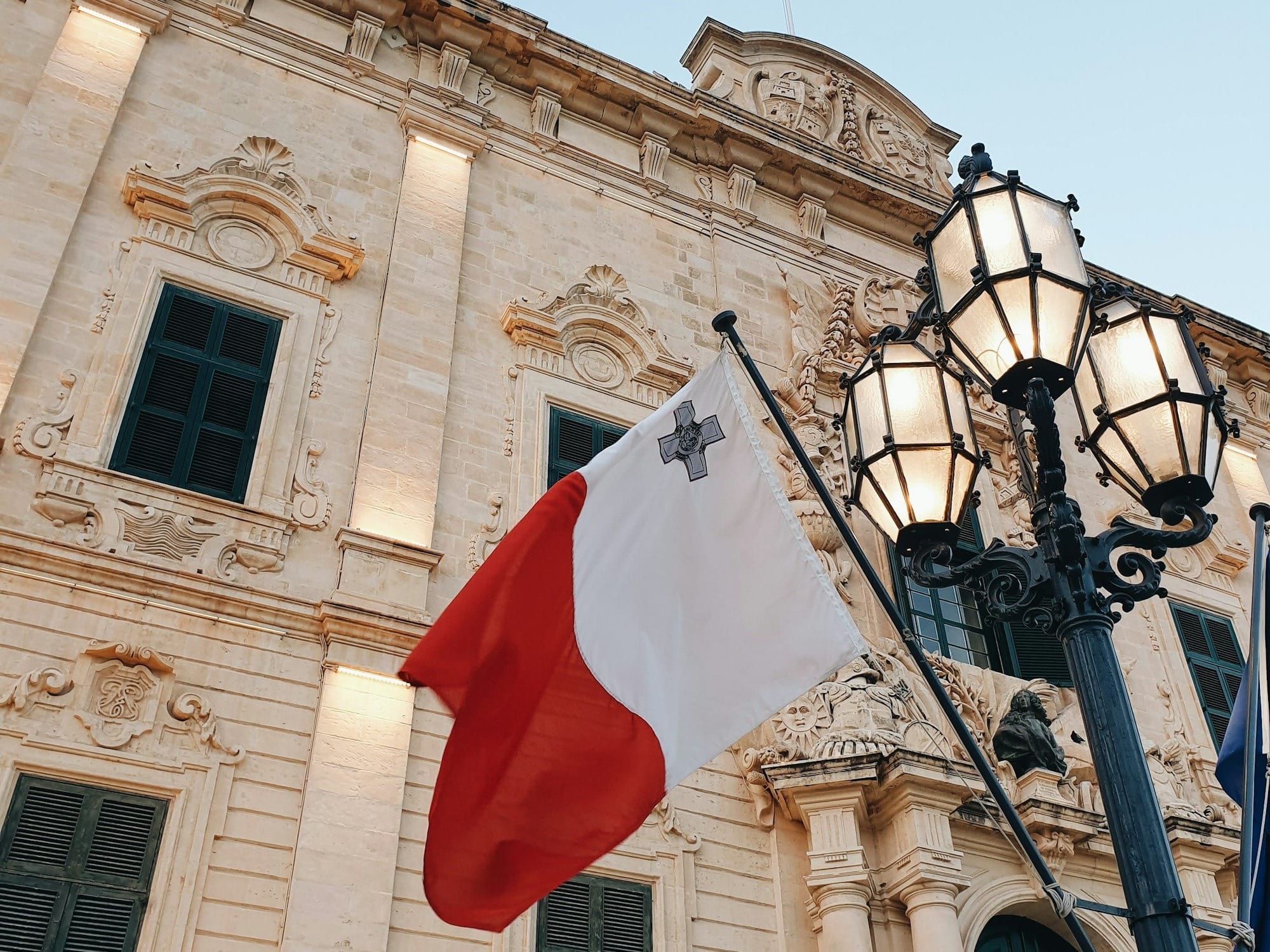
Often called the “Blockchain Island,” Malta has one of the earliest and clearest legal frameworks for cryptocurrency and blockchain businesses. Its laws specifically define digital asset services and set licensing standards for exchanges, custodians, and ICOs.
This clarity has encouraged many global crypto firms to open offices in Malta, and the country continues to refine its rules to protect users and investors while enabling innovation.
/7. Brazil

Brazil allows cryptocurrency to be freely bought, sold, and held, and its legal framework for crypto continues to evolve. The country approved a legal framework for virtual assets in 2022, and regulators are strengthening oversight around exchanges and services to protect users and reduce fraud.
Brazil’s laws require virtual asset service providers and brokers to be authorized and follow anti-money-laundering rules. These clear guidelines offer legal certainty for users and businesses, even as regulators continue to improve protections.
Ghana passes crypto regulation law, giving digital assets legal status for the first time
The new law brings crypto exchanges and wallet providers under Bank of Ghana oversight, turning years of informal adoption into a regulated financial industry.

Conclusion
These seven countries show different ways governments can make cryptocurrency legal and friendly. Some focus on clear regulations (like Switzerland and Singapore), others offer tax benefits (like Portugal and the UAE), and some have taken bold steps to include crypto in national systems (like El Salvador). While laws and rules continue to change, these countries currently offer some of the most supportive environments for crypto users and businesses.
If you are thinking about crypto use, investing, or relocation, it’s important to check the latest local laws first. But right now, these countries are among the most welcoming in the world for cryptocurrency in 2025.