

This post was originally published on this site.
Remember when buying something online felt like a leap of faith? When “ecommerce” was still a buzzword that needed explaining? When the idea of ordering groceries from your phone seemed like science fiction? If someone from 2000 time-traveled to today, they’d think we were wizards.
The past 25 years have fundamentally rewired the relationship between brands and shoppers, creating entirely new industries, and making the impossible routine. We’ve had a front-row seat to this story—and we’ve helped write a few chapters ourselves. From democratizing commerce for millions of entrepreneurs to pioneering AI-powered shopping experiences, we’ve been building the tools that turn ‘what if’ into ‘what’s next.’
So let’s take a trip back through the top 11 moments that got us here, from 2000 to 2025. These are more than milestones. They’re the core plot points in the greatest commerce story ever told. And if the past quarter century taught us anything, it’s that the next wave of transformation is already building.
1. The dot-com crash and the digital commerce reset (2000)💥
In 2000, the internet bubble burst spectacularly, taking down hundreds of companies. The NASDAQ fell more than 75% between March 2000 and October 2002, wiping out $5 trillion in market value. Pets.com’s sock puppet became the mascot of hubris, Webvan became a billion-dollar bonfire, and suddenly having ‘.com’ in your name wasn’t the flex it used to be. But this was creative destruction. The crash separated sustainable digital business models from pure speculation, creating space for companies with real value propositions to emerge. The survivors learned that technology was a tool, not a business model, laying the foundation for everything that followed. The lesson was this: sometimes you need to break things to build them right.
2. The moment shopping online stopped being scary (2002) 💳
Online payments went from sketchy to standard, with digital wallets becoming as trusted as credit cards. This was when the internet became a real marketplace. Before secure and easy online payments, ecommerce was limited to the brave and the desperate. But thanks to innovations like PayPal we stopped treating online payments like a drug deal in a parking garage. PayPal IPO’ed in 2002 at a roughly $800 million valuation and then was soon acquired by eBay for $1.5 billion. Everyone could shop online without fear, transforming the web from an information highway into a commerce engine.Every fintech innovation since traces back to these early moments.
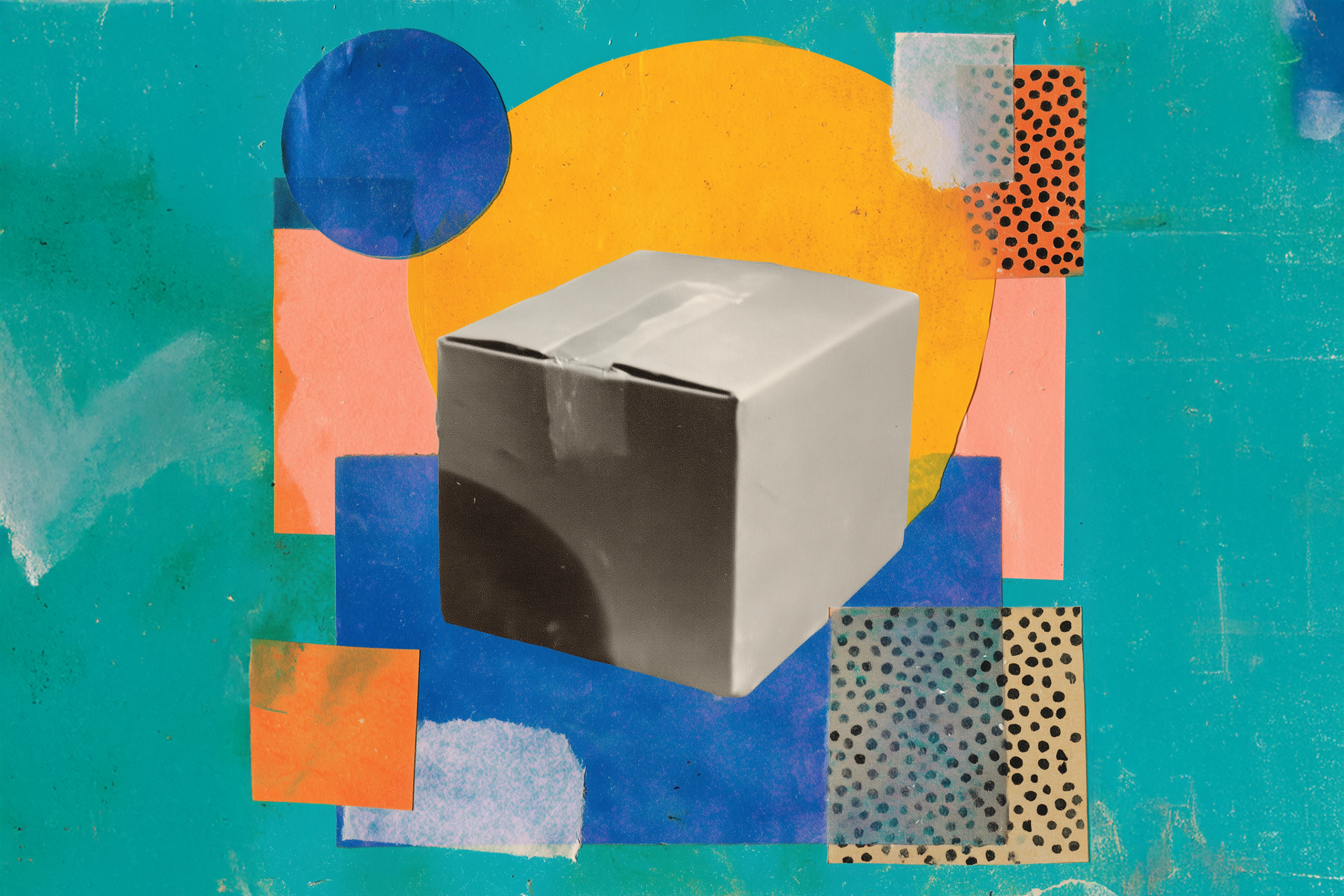
3. The fast shipping that rewired our brains (2005) 📦
Two-day delivery became table stakes, then same-day followed, fundamentally changing consumer expectations forever. It was normal to wait 4-6 weeks for a catalog order to show up, but now we rage-tweet if delivery takes more than a few days. Patience became obsolete. The entire supply chain had to reinvent itself around speed, with warehouses moving closer to customers and logistics becoming a competitive advantage. “I want it now” went from unreasonable to expected. Instant gratification became the baseline, not the premium.
4. The democratization of online commerce (2006)🛍️
David finally had access to the same tools as Goliath. Building an online store became as easy as creating a blog, spawning millions of independent merchants worldwide. The launch of Shopify in 2006 proved that commerce technology could be made accessible to anyone, not just enterprise retailers. In the ensuing years, this would lead to a democratization of commerce. You no longer needed a team of developers or a massive budget to compete with established players. A teenager in their bedroom could launch a brand that rivaled century-old companies, fundamentally shifting the balance of power in retail. Now Shopify powers millions of businesses in over 175 countries, and last year more than 875 million people bought something from a Shopify store, that’s 1 in every six internet users.

5. The store in your pocket (2007) 📱
The smartphone put the world in the palm of your hand, creating location-independent commerce and instant purchasing power. Mobile didn’t just make shopping more convenient—it made it constant. Suddenly, every moment was a potential shopping moment. The friction between wanting something and buying it nearly disappeared, changing consumer behavior and expectations. When the iPhone was released in 2007, barely 9 million Americans had smartphones, five years later that number would 10x to 110 million as smartphone usage reached critical mass.
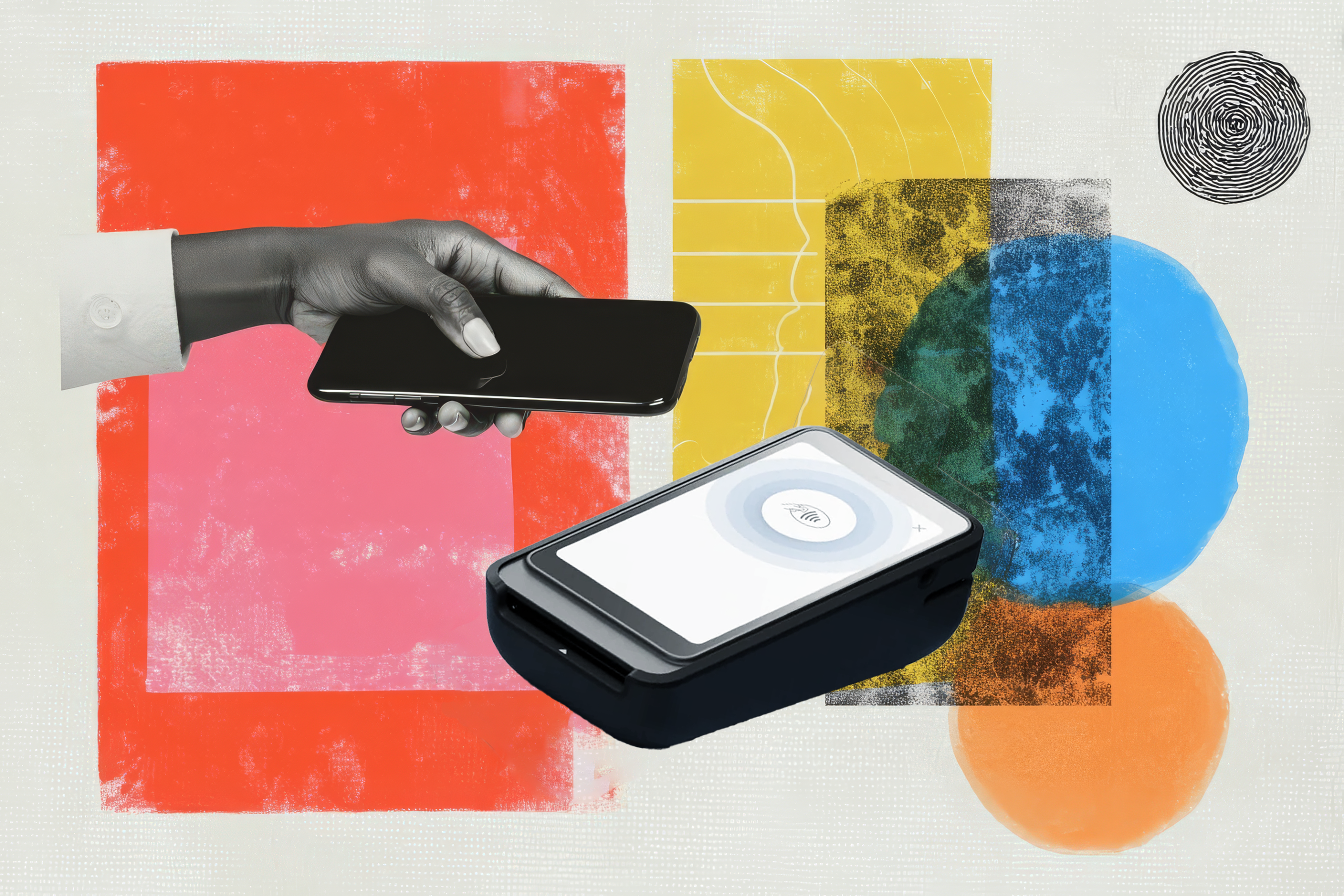
The impact of this was two-fold: The smartphone phenomena unlocked internet purchasing anywhere — and it also changed where businesses could physically sell. It would lay the groundwork for mobile card readers that turned any smartphone into a point-of-sale system. Commerce escaped the confines of traditional retail spaces and spread everywhere from farmers markets to food trucks, making every location a potential storefront. Commerce would start happening anywhere, anytime.
6. The algorithm that turned scrolling into shopping (2009) 💵
The advent of the “like” button and social sharing transformed platforms from networking tools into discovery and sales engines. Shopping became social. Your friend’s air fryer recommendation carried more weight than any Super Bowl ad could, and social proof became the new currency of commerce. Brands had to learn to earn trust through community and authenticity, not just clever marketing. By the time TikTok came along a decade later, discovery and transaction merged into one fluid experience where people could see it and buy it in a few clicks.

7. The birth of DTC commerce (2013) 🎯
Brands like Warby Parker and Casper looked at traditional retail and decided to switch up the game. They shipped glasses and mattresses (mattresses!) directly to your door with 100-day returns. No pushy salespeople, no awkward showrooms—just great products at honest prices delivered to your home. These early direct-to-consumer (DTC) brands created a whole new shopping experience. Warby let you try on five pairs of glasses at home and ship back the “no”s. Casper compressed an entire mattress into a box the size of a mini-fridge and gave you three months to sleep on it before deciding whether to keep it.
Suddenly every category was getting the DTC treatment—luggage (Away), makeup (Glossier), vitamins (Ritual), even toothbrushes (Quip). They all had the same playbook: beautiful branding, Instagram-worthy packaging, and the radical idea that shopping should actually be enjoyable.
8. The cryptocurrency experiment (2017) 🪙
We learned “HODL” wasn’t a typo but a way of life. While Bitcoin launched in 2009, 2017 was the year crypto went from tech curiosity to mainstream mania—Bitcoin hit $20,000, your uncle started asking about it at Thanksgiving, and suddenly every business was exploring “blockchain solutions.” From Bitcoin payments to NFT marketplaces, digital assets created entirely new categories of commerce. Crypto introduced concepts like digital ownership, decentralized marketplaces, and programmable money that may have lasting impact on commerce infrastructure, pushing the boundaries of what we consider valuable and tradeable.
Then came stablecoins—digital currencies backed 1:1 by traditional reserves that maintain constant value without the volatility. These evolved into fast, borderless payment systems that let small businesses sell to customers on the other side of the world as easily as their next-door neighbor, with no foreign transaction fees and instant settlement.
9. The end of physical vs. digital (2019) 🤝
Traditional retailers embraced digital while pure-play online brands opened physical stores, creating unified commerce experiences. The “digital vs. physical” debate ended. Smart retailers realized customers didn’t care about channels—they cared about experiences. Omnichannel became the only channel, forcing businesses to think holistically about every customer touchpoint.
10. The great digital acceleration (2020) 💻
A global pandemic compressed a decade of transformation into months. Hand sanitizer sales spiked 600%, “you’re on mute” became the most repeated phrase of the year, and every business owner learned what ‘pivoting’ meant while wearing pajama bottoms on Zoom calls. Platforms that had spent years democratizing commerce suddenly became lifelines for businesses forced online overnight. Shopify moved quickly to ship emergency features like curbside pickup and local delivery while partnering with governments to distribute recovery funds. What would normally take years of development happened in weeks. The infrastructure built for democratizing commerce suddenly became a lifeline for survival.
This wasn’t gradual change—it was forced evolution. Brands that had resisted going digital suddenly had no choice. The future arrived all at once, separating the adaptable from the obsolete.
11. The era when search bars became conversations (2025) 🤖
Artificial intelligence became the invisible engine powering everything from personalized recommendations to automated customer service. Early adopters integrated AI into commerce platforms. Commerce got a brain. AI didn’t just make things more efficient—it made them more human. OpenAI’s ChatGPT rocketed from zero to 800 million weekly active users in three years.
But the real breakthrough came when AI conversations themselves became shopping destinations. Suddenly, customers could discover and buy products directly in ChatGPT, Perplexity, and other AI platforms—turning every conversation into a potential commerce moment. Shopify began building agentic storefronts that let businesses show up wherever AI conversations happen, maintaining their brand while meeting customers in these new spaces.
The only constant is acceleration
Looking back at these 25 years, one thing becomes clear: “impossible” things became inevitable. Each innovation built on the last, creating exponential rather than linear progress.
Online payments seemed risky until they became essential. Mobile shopping felt clunky until it became preferred. Social commerce looked like a gimmick until it became a goldmine. The pattern is always the same: skepticism, then adoption, then dependence.
We’re not just witnessing the next wave of commerce innovation—we’re actively building it. And the technologies emerging today will make the last 25 years look like the warm-up act.
We’re moving toward augmented reality stores that exist only in digital spaces, predictive AI that anticipates needs before we recognize them, and blockchain-powered marketplaces that will make yesterday’s platforms look primeval.
But perhaps the most important trend isn’t technological—it’s human. As commerce becomes more automated and intelligent, the premium will be on authenticity, creativity, connection, and meaning. The entrepreneurs who thrive will understand that in a world where technology can automate almost anything, their unique passion, skills, and craft remain irreplicable.
The upcoming years will redefine what commerce means in a world where the line between digital and physical, artificial and human, global and local continues to disappear. We’re living in the future that sci-fi writers were too conservative to imagine. And it’s just the start.
We just showed you how commerce evolved. Now head to our Substack to remember WHY we were shopping—the fads, the FOMO, and the phenomena that had us all pressing ‘add to cart’ at 2 a.m.